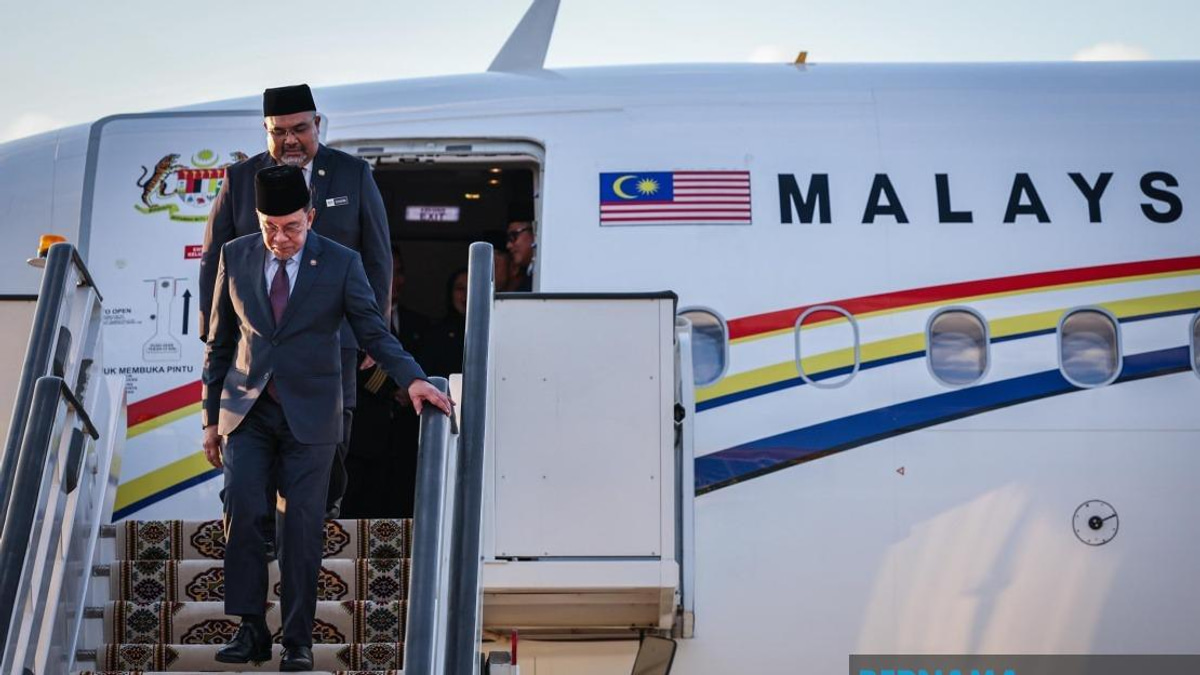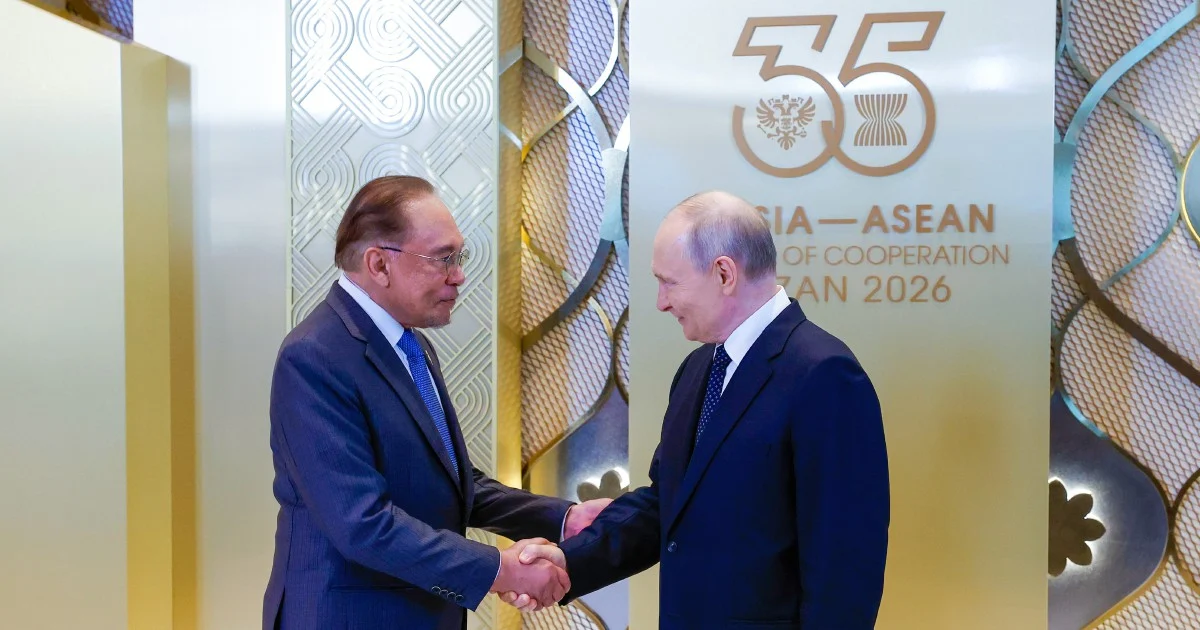
Prime Minister Datuk Seri Anwar Ibrahim and Russian President Vladimir Putin convened in Kazan to advance Malaysia's strategic engagement with Moscow, with discussions centring on energy security arrangements and mechanisms to facilitate commerce between the two nations using their respective currencies. The meeting reflects Malaysia's broader diplomatic positioning as it navigates complex geopolitical dynamics in the Indo-Pacific region while maintaining pragmatic economic relationships with major powers.
The emphasis on energy security carries particular significance for Malaysia, a nation with substantial hydrocarbon reserves but also competing energy demands from a developing economy. Russia, facing international sanctions and seeking alternative markets for its energy exports, represents both opportunity and complexity for Malaysian policymakers. The bilateral conversation signals Malaysia's intent to secure stable energy supplies whilst exploring partnerships that diversify its import sources beyond traditional Western suppliers and regional producers.
The deliberate inclusion of local currency trading in bilateral discussions demonstrates a strategic shift in how Malaysia approaches economic cooperation with non-Western partners. By conducting transactions in Malaysian ringgit and Russian rubles, both nations reduce exposure to currency fluctuations tied to the US dollar and decrease dependency on dollar-denominated payment systems. This arrangement aligns with broader regional trends, as several Southeast Asian countries explore alternatives to Western-dominated financial infrastructure, particularly as geopolitical tensions increase trade uncertainties.
For Malaysia, such currency arrangements carry implications beyond mere commercial convenience. They signal openness to economic arrangements that deviate from the Washington-centric financial system that has dominated global commerce for decades. This positioning allows Malaysia to project independence in its economic partnerships whilst building relationships with nations similarly seeking alternatives to existing structural arrangements. However, the strategy requires careful calibration to avoid antagonising Western trading partners upon whom Malaysia remains heavily dependent.
Bilateral cooperation between Malaysia and Russia extends beyond the immediate energy and trade considerations. Both nations share interests in regional stability, though from different strategic perspectives. Malaysia's involvement in ASEAN frameworks and Russia's engagement with Asian security architecture create overlapping but distinct spheres of influence. The Kazan meeting therefore serves as an opportunity to clarify respective interests and identify areas where cooperation can proceed without creating security complications for Malaysia's broader regional commitments.
The timing of such high-level engagement reflects Malaysia's diplomatic calendar and Putin's efforts to maintain Russia's relevance in Asian affairs despite international isolation. For Anwar, demonstrating Malaysia's capacity to engage with major powers on substantive economic matters reinforces his government's economic competence narrative, particularly important as Malaysia navigates post-pandemic recovery and inflation management. The Prime Minister's presence in Kazan underscores Malaysia's commitment to economic pragmatism over ideological alignment.
Energy security discussions likely addressed specific supply arrangements, infrastructure investments, and technical cooperation mechanisms. Given Russia's extensive experience in hydrocarbon extraction and liquefaction technology, potential areas for collaboration might include technological transfers, joint ventures in energy infrastructure, and long-term supply contracts. For Malaysia's energy-intensive manufacturing sector, securing diversified supply sources enhances competitiveness by reducing vulnerability to supply shocks or price volatility concentrated in traditional markets.
The currency dimension of the discussions reflects broader efforts by Malaysia and other developing nations to challenge Western financial dominance without completely severing ties with the existing system. Rather than abandoning dollar-based trade entirely, local currency arrangements allow flexibility. Malaysia can maintain dollar transactions where advantageous whilst experimenting with alternative mechanisms in specific partnerships. This gradualist approach minimises disruption whilst positioning Malaysia for potential future shifts in global financial architecture.
Regional implications of Malaysia-Russia engagement warrant careful consideration by other Southeast Asian states. The Association of Southeast Asian Nations operates on principles of non-alignment and pragmatic engagement, yet deepening Malaysia's energy and trade relationships with Russia could influence broader ASEAN positioning on sanctions, diplomatic recognition, or security cooperation. Malaysia's actions may set precedents that other member states either follow or contest, affecting ASEAN's collective stance on major geopolitical issues.
The Kazan meeting also reflects Anwar's personal approach to economic diplomacy, characterised by active engagement with diverse partners and emphasis on tangible economic benefits. His administration has pursued multiple bilateral and multilateral frameworks simultaneously, from deepening ties with China to strengthening relationships with Middle Eastern investors. The Russian engagement fits this pattern of maximising Malaysia's economic options and leveraging diplomatic relationships to advance national interests.
Looking forward, the outcomes of the Anwar-Putin discussions may crystallise into concrete agreements on energy supply arrangements, technical cooperation protocols, or financing mechanisms for infrastructure development. These arrangements would move bilateral cooperation from declaratory statements to operational frameworks with measurable economic impacts. For Malaysian policymakers, converting diplomatic meetings into deliverable outcomes remains the crucial challenge in translating geopolitical engagement into genuine economic advancement for the nation.