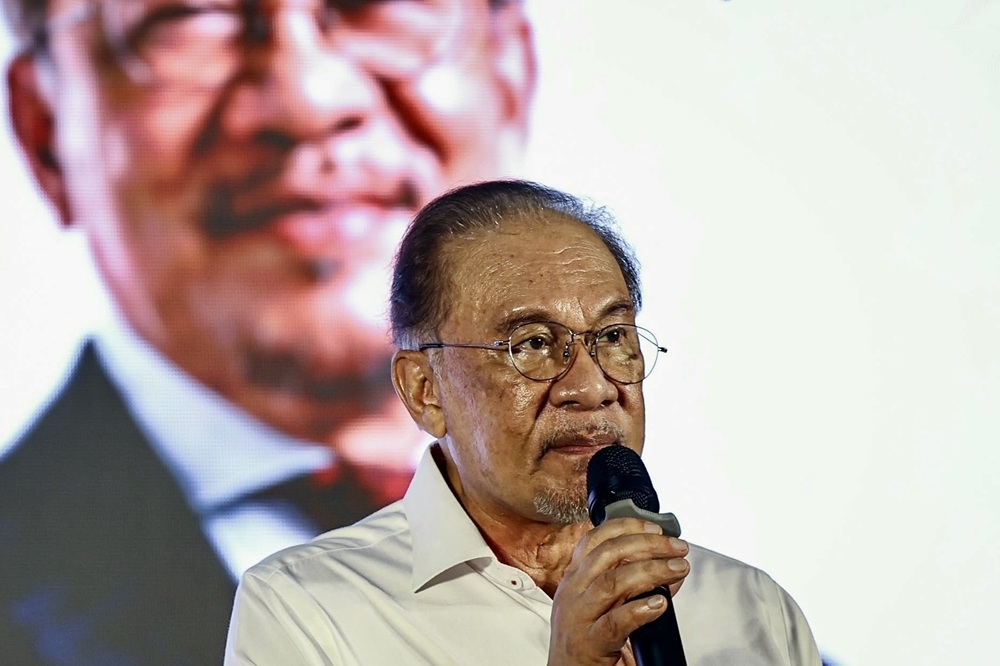
Prime Minister Datuk Seri Anwar Ibrahim said on Tuesday that he remains without a formal briefing regarding the escalating internal tensions within the DAP's Melaka branch, though he indicated that the broader Pakatan Harapan coalition will ultimately need to intervene to resolve the deepening fracture. Speaking to reporters at Parliament, Anwar acknowledged that the situation requires coalition-level attention, suggesting that party officials and allies have been working behind the scenes to gather information before he receives a comprehensive update.
The Melaka DAP fallout represents a significant test of cohesion within the Pakatan Harapan alliance, which has governed Malaysia since 2022 following the 2022 general election. The state-level dispute threatens to undermine the unity that the coalition has struggled to maintain across multiple tiers of government, where personalities, resource allocation, and leadership succession have frequently sparked conflict. The timing of this crisis comes as Pakatan Harapan seeks to consolidate support ahead of potential political challenges at both state and federal levels.
While Anwar stopped short of detailing the specific nature of the DAP conflict in Melaka, the discord appears to stem from disagreements over internal party management and the direction of state-level politics. Such disputes have become increasingly common within DAP branches nationwide, reflecting generational divisions, competing ambitions among veteran and emerging leaders, and differing views on how the party should navigate its relationship with coalition partners like PKR and Amanah. The Melaka branch has historically been a significant political stronghold for DAP, making internal discord there particularly consequential for the party's broader influence.
The Prime Minister's measured approach—neither dismissing the matter nor immediately intervening—reflects the delicate balancing act required of him as both PKR president and coalition leader. Pakatan Harapan's architecture depends on respecting individual party autonomy while maintaining sufficient coordination to prevent splinter movements or defections that could destabilize the federal government. Anwar's cautious stance allows DAP leadership space to address internal matters without external interference, yet signals that the coalition will act if the situation escalates beyond the party's capacity to manage it independently.
For Malaysian politics more broadly, this incident illustrates the perpetual challenge facing multi-party coalitions in maintaining discipline and unity. The opposition Perikatan Nasional has demonstrated its own vulnerabilities in this regard, making this less a unique failing of Pakatan Harapan than a structural reality of coalition governance in Malaysia's fragmented political landscape. Nevertheless, each internal crisis within the ruling alliance provides openings for opposition parties to exploit divisions and pressure lawmakers to reconsider their affiliation.
DAP's internal management has come under scrutiny in recent months, with leadership changes and succession planning generating debate within the party and among observers. The party's performance in state assemblies and Parliament has become increasingly important to its political legitimacy, particularly as it positions itself as a voice for reform and good governance. A fractious Melaka branch undermines these narratives and raises questions about DAP's ability to manage internal disputes constructively.
Pakatan Harapan's track record of managing similar crises provides limited reassurance. Previous intra-coalition disputes have occasionally escalated to public confrontations between party leaders, parliamentary walkouts, and in some cases, defections to opposition benches. While the coalition has weathered these challenges, each incident has exacted a toll on its political capital and legislative capacity. The Melaka situation, if left unaddressed, could catalyze similar disputes in other state branches where underlying tensions exist.
The DAP leadership's handling of this matter will likely determine whether the crisis remains contained within the party or becomes a broader coalition issue requiring intervention by Pakatan Harapan's coordinating bodies. Given that elections in Melaka are not imminent, there may be time for internal mediation before the conflict affects electoral outcomes. However, prolonged internal tension risks demoralizing party activists and grassroots supporters who question the party's stability and vision.
For Southeast Asian observers watching Malaysian coalition politics, this episode underscores the challenges facing multi-ethnic, multi-party democratic governance. Unlike single-party or dominant-party systems, coalitions require constant negotiation and compromise, making them both more democratic and more vulnerable to fragmentation. How Pakatan Harapan resolves its Melaka DAP dispute will signal whether the coalition possesses the institutional maturity and leadership depth to address future crises constructively or whether deepening fissures will continue to threaten its political viability in coming years.

