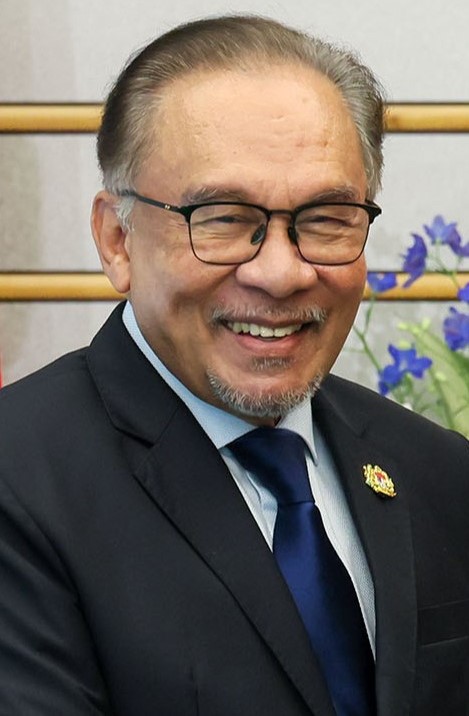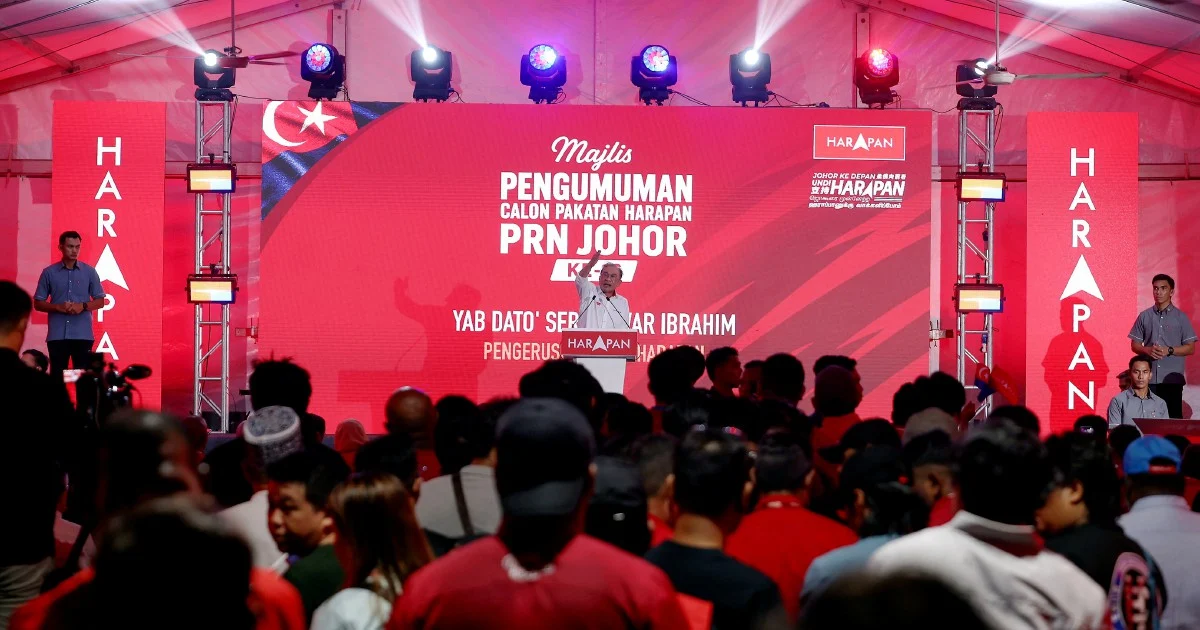
Pakatan Harapan chairman Datuk Seri Anwar Ibrahim has drawn a clear line in anticipation of the Johor state election, insisting that the political contest should unfold within conventional democratic channels rather than drawing in the authority or participation of Malay Rulers' institutions. Speaking at Tangkak, Anwar's remarks underscored a fundamental principle of separation between electoral politics and the constitutional role of royal institutions in Malaysia's governance structure.
The statement carries particular weight given the significance of Johor as Malaysia's second-largest state by population and its substantial economic contributions. Electoral contests in Johor have historically commanded national attention, with outcomes influencing federal-level political configurations and coalition dynamics. Anwar's intervention suggests PH is concerned that ongoing political manoeuvres might inadvertently or deliberately draw royal institutions into what should remain a straightforward political competition between parties and candidates.
Malaysia's constitutional framework establishes clear boundaries around the roles of Rulers in political matters. While Malay Rulers occupy elevated constitutional positions and hold significant cultural and ceremonial authority, their involvement in electoral contests can create complications for the democratic process and blur the distinction between executive authority and royal prerogative. Anwar's statement appears calibrated to reinforce these constitutional boundaries ahead of what is anticipated to be a closely contested electoral campaign.
The timing of his remarks reflects the politically charged environment surrounding Johor politics. The state has experienced considerable internal realignment following the 2022 federal election results and subsequent coalition shifts. Multiple parties harbour ambitions for the state government, and the electoral landscape remains fractious, with various factions within and across parties jockeying for position. In such a volatile context, clear statements about maintaining proper institutional boundaries become important for preserving democratic norms.
Anwar's position also resonates with broader governance conversations across Southeast Asia about maintaining institutional integrity and democratic propriety. Regional observers increasingly scrutinize how electoral contests interact with traditional authority structures, particularly in nations where constitutional monarchies coexist with competitive party politics. Malaysia's experience offers instructive lessons about the importance of keeping these spheres operationally distinct, even when personal relationships between political leaders and royal institutions may be cordial.
For Pakatan Harapan specifically, the stance serves multiple strategic purposes. It positions the coalition as defender of constitutional propriety and democratic norms at a moment when opposition parties may be exploring alternative pathways to political advantage. By explicitly stating that the election should remain political in character, PH signals confidence in its ability to prevail through conventional electoral means without requiring institutional intervention. This framing can resonate with urban, educated voters and institutions concerned about democratic integrity.
The statement also contains implicit messaging about what PH views as unacceptable conduct. In calling for political battles to remain political, Anwar is cautioning against efforts—by any party—to leverage royal connections or institutions in ways that circumvent normal democratic processes. Such warnings typically emerge when political operatives suspect their opponents may be considering such strategies, or when previous precedents have created concern about potential misuse of institutional authority.
Johor's political structure presents distinct challenges in this regard. As Malaysia's only state with a hereditary sultanate operating continuously since independence, Johor's royal institution holds particular prominence in state consciousness and governance. The Sultan of Johor commands considerable popular affection and exercises influence that extends beyond ceremonial functions. Managing the boundary between this legitimate royal authority and electoral politics requires vigilance from all political participants.
For Malaysian voters concerned about institutional health, Anwar's intervention reassures that at least one major political leader recognizes the importance of maintaining proper separation between constitutional authorities. As the nation continues experimenting with different coalition configurations and power-sharing arrangements, such statements help anchor democratic practice in established principles. Southeast Asian democracies with similar constitutional structures often struggle with precisely these boundary questions, making Malaysia's management of the issue instructive for the broader region.
The Johor election, whenever it occurs, will serve as a significant test of whether Malaysian political actors can maintain these institutional boundaries even under competitive pressure. Anwar's preemptive statement suggests that PH intends to compete vigorously but within established constitutional parameters. How other parties respond—whether they too commit to keeping the contest purely political—will shape whether the election becomes a model for democratic propriety or a cautionary tale about institutional erosion.