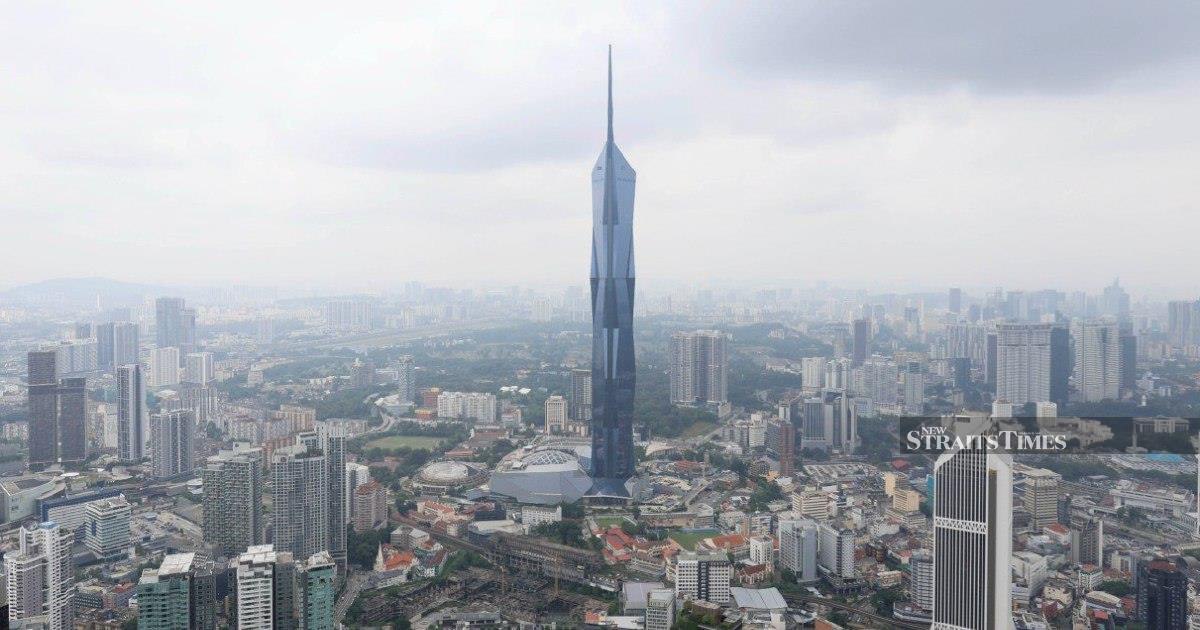
Prime Minister Datuk Seri Anwar Ibrahim has made a spiritual appeal to Malaysians, urging them to offer prayers for the haze to dissipate ahead of the nation's National Day celebrations scheduled for August 31. The call, made in Cyberjaya, reflects mounting concerns about atmospheric conditions that could potentially disrupt one of Malaysia's most significant annual observances and dampen the festivities planned across the country.
The haze phenomenon has become an increasingly familiar challenge for Malaysia during certain months, typically linked to transboundary smoke from agricultural burning activities in neighbouring regions. This year's recurrence ahead of National Day underscores the persistent nature of this environmental issue and its capacity to affect major public events. The timing presents a particular challenge for authorities who must balance celebrations with public health considerations, especially for vulnerable populations including children, the elderly, and those with respiratory conditions.
National Day celebrations carry profound symbolic importance for Malaysia, marking the nation's independence and providing a platform for citizens across diverse communities to affirm their shared identity and patriotism. The occasion typically features parades, performances, flag-raising ceremonies, and public gatherings that draw substantial crowds. Air quality conditions directly impact the comfort and safety of both participants and spectators, making Anwar's concern a practical one extending beyond environmental rhetoric.
The Prime Minister's invocation of prayer represents more than a secular acknowledgment of the problem; it reflects the deeply spiritual dimensions of Malaysian society where faith-based appeals often resonate with public sentiment. By framing the challenge through a spiritual lens, Anwar positioned the issue as one transcending purely technical or governmental solutions, inviting collective national action rooted in shared values. This approach demonstrates understanding of how religious and cultural frameworks influence public engagement with environmental issues within the Malaysian context.
From an operational standpoint, haze management requires coordinated responses across multiple government agencies and international partnerships. The Meteorological Department continuously monitors air quality indices, providing real-time data that informs public advisories and health warnings. Meanwhile, relevant ministries prepare contingency plans for outdoor events, including potential adjustments to scheduling or venue modifications should conditions deteriorate significantly. Such preparations occur alongside diplomatic channels engaging neighbouring countries regarding transboundary pollution sources.
The broader implications for Malaysia's tourism and international image warrant consideration. National Day celebrations attract international visitors and media attention, with air quality concerns potentially influencing perceptions of the country's environmental management. Regional partners also observe how Malaysia handles such challenges, as haze issues frequently affect multiple Southeast Asian nations simultaneously, requiring coordinated regional responses and reinforcing the importance of multilateral environmental cooperation.
For Malaysian citizens, the convergence of National Day planning and haze concerns illustrates the ongoing tension between celebrating national achievements and confronting environmental realities. Schools and communities must proceed with preparations while monitoring air quality forecasts, creating uncertainty about final arrangements. Families planning outdoor activities face potential disruptions, while event organisers grapple with logistics that depend partly on atmospheric conditions beyond their direct control.
The health dimensions cannot be understated. The Department of Health typically issues guidance during haze episodes, recommending masks for vulnerable populations and advising against strenuous outdoor activities. Medical facilities prepare for potential increases in respiratory-related consultations, particularly in regions experiencing higher pollution concentrations. National Day events, while celebratory, could inadvertently expose large populations to poor air quality if precautions remain insufficient.
Historically, Malaysia has experienced variable success in managing haze-related disruptions to major events. The nation's experience with this recurrent challenge has prompted development of institutional responses and public awareness campaigns highlighting both individual and collective responsibility. Anwar's appeal taps into this accumulated experience, acknowledging that environmental challenges of this scale require societal cohesion and shared commitment rather than governance solutions alone.
Looking ahead, the effectiveness of haze management during National Day celebrations will likely influence policy discussions surrounding air quality monitoring, transboundary agreements, and domestic land-use practices. If air quality improves substantially, authorities may cite this as evidence of successful contingency planning. Conversely, if haze persists, renewed pressure may emerge for more aggressive mitigation strategies and stronger regional diplomatic efforts addressing the underlying causes of transboundary smoke pollution.
The week preceding August 31 will prove critical as meteorological forecasts become more reliable and clearer pictures emerge regarding atmospheric conditions. Government agencies will likely maintain heightened alert status, ready to implement adjustments ensuring public safety whilst preserving the celebratory spirit essential to National Day observances. Anwar's appeal ultimately represents an acknowledgment that environmental stewardship and national pride both merit serious attention as Malaysia navigates this familiar challenge.

