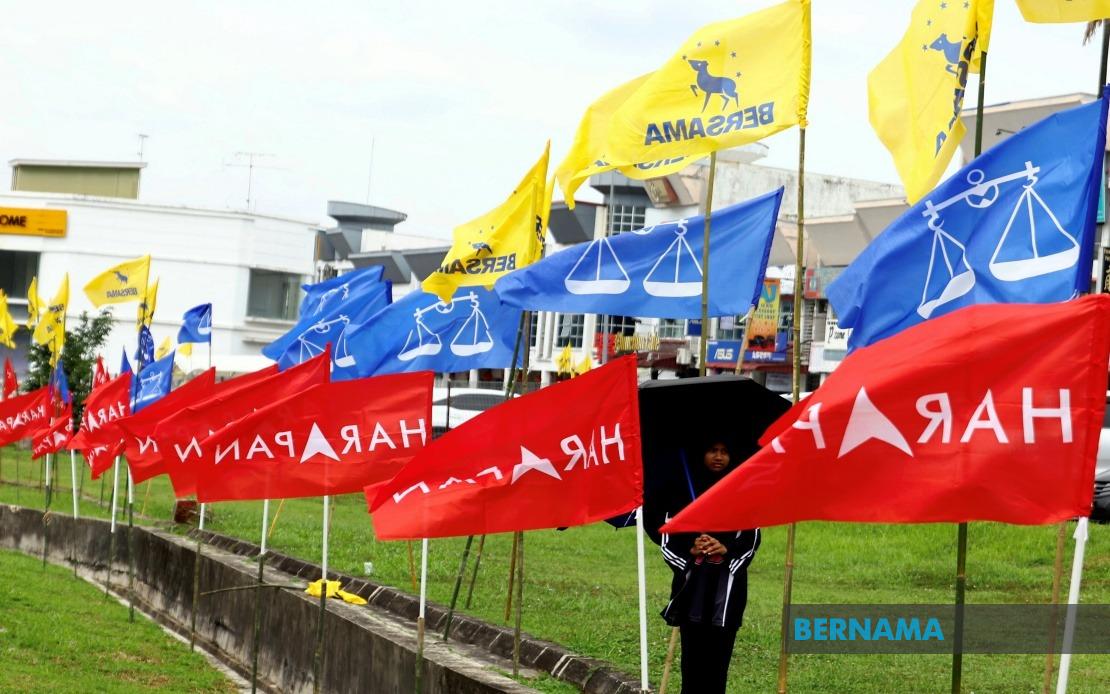
Prime Minister Datuk Seri Anwar Ibrahim has made a direct appeal to Johor voters to support Pakatan Harapan in the upcoming state election, which is scheduled to take place this Saturday. Speaking through social media platforms, the PH chairman has emphasised that the coalition represents a credible alternative for governance of Malaysia's southern industrial heartland, a state long dominated by the Barisan Nasional coalition and its predecessor political configurations.
Anwar's appeal comes at a critical juncture as Johor voters prepare to make their decision in the 16th state election, a contest that carries significant implications for national politics. The coalition's performance in this economically important state could serve as a bellwether for broader political sentiment across Malaysia, particularly given Johor's historical significance as a traditional stronghold of the ruling establishment. By emphasising the need for Johor residents to grant PH an opportunity to demonstrate its governing capacity, Anwar is attempting to reframe the electoral narrative away from concerns about untested alternative governance toward a message of hope and transformation.
A distinctive feature of Anwar's campaign messaging has been his outreach to Johor-born Malaysians living elsewhere in the country or abroad, urging them to return home specifically to participate in the electoral process. This strategy reflects an understanding that diaspora voters, particularly those who have left Johor for employment opportunities in Kuala Lumpur, Selangor, or overseas, may harbour distinct perspectives on the state's future. By mobilising this segment, PH is attempting to broaden its base beyond traditional urban and opposition-leaning constituencies, signalling that the coalition views this election as a genuine contest requiring maximal voter mobilisation.
The coalition's campaign materials have incorporated cultural touchstones to deepen their resonance with Johor voters. In a Facebook post, Anwar shared a traditional Malay pantun verse that cleverly weaves together references to Johor's culinary heritage with calls for electoral participation. The verse invokes laksa Johor, the state's iconic dish, alongside references to ancestral heritage and the imperative for citizens to return home bringing hope, thereby linking emotional attachments to home and family with political action. This approach demonstrates an attempt by PH to compete not merely on policy grounds but also through cultural messaging that acknowledges local identity and pride.
Packatan Harapan's fundamental pitch to Johor voters centres on the promise of inclusive development that benefits all segments of society. Anwar's assurances that the coalition will work diligently to defend Johor's interests and ensure that economic progress reaches ordinary citizens directly addresses longstanding concerns about unequal distribution of development benefits. This messaging implicitly critiques the incumbent administration's stewardship of state resources, suggesting that PH would pursue a more equitable approach to governance and resource allocation.
The electoral contest itself involves substantial competition, with 172 candidates competing for 56 state assembly seats. This number of contestants indicates robust competition across most constituencies, suggesting that Malaysian political engagement at the state level remains dynamic and contested. The presence of multiple candidates per seat suggests that voters will have genuine choices in most areas, rather than facing unopposed or token candidacies that might characterise politically dormant regions. For PH, this competitive environment means that campaign intensity and voter mobilisation could prove decisive in determining overall outcomes.
Johor's significance within the Malaysian political landscape cannot be overstated. The state encompasses major industrial zones, significant port facilities, and agricultural areas, making its economic contribution substantial. Additionally, Johor's geographic proximity to Singapore creates unique opportunities and challenges related to cross-border trade, investment, and labour mobility. Any government controlling Johor must address issues ranging from infrastructure development and environmental management to maintaining economic competitiveness in an increasingly globalised context. Anwar's emphasis on defending Johor's interests thus carries weight among voters concerned about tangible economic outcomes and quality of life improvements.
The timing of this election carries particular resonance given Malaysia's broader political trajectory over recent years. The country has experienced significant political volatility, with multiple changes of government at both federal and state levels. For many Malaysians, including Johor voters, this context generates both fatigue with constant political contestation and recognition that electoral choices carry real consequences. PH's pitch to grant the coalition an opportunity to govern reflects an implicit acknowledgment that voter scepticism about political alternatives requires bridge-building and confidence-generating messaging, rather than taking electoral support for granted.
Anwar's personal engagement in the Johor campaign underscores the election's national importance. As Prime Minister and PH chairman, his direct appeals to voters demonstrate the coalition's determination to expand its political footprint beyond the peninsular regions where it currently holds state power. A strong performance in Johor would strengthen PH's claim to be a genuinely national alternative capable of governing Malaysia's diverse regions, while a disappointing result might validate opposition claims that the coalition's appeal remains geographically constrained. This dual-track significance—both as a genuine state election and as a test of national political trajectories—explains the intensity of campaign messaging from all major contestants.
The coalition's appeal ultimately rests on convincing Johor voters that PH represents competent, responsive governance committed to advancing the state's interests. By emphasising hard work, protection of state interests, and ensuring that development benefits reach all citizens, Anwar is attempting to position PH not as an ideological alternative but as a pragmatic governance choice. Whether this messaging proves sufficiently compelling to overcome Johor voters' historical attachment to the Barisan establishment will become clear when ballots are cast this Saturday.

