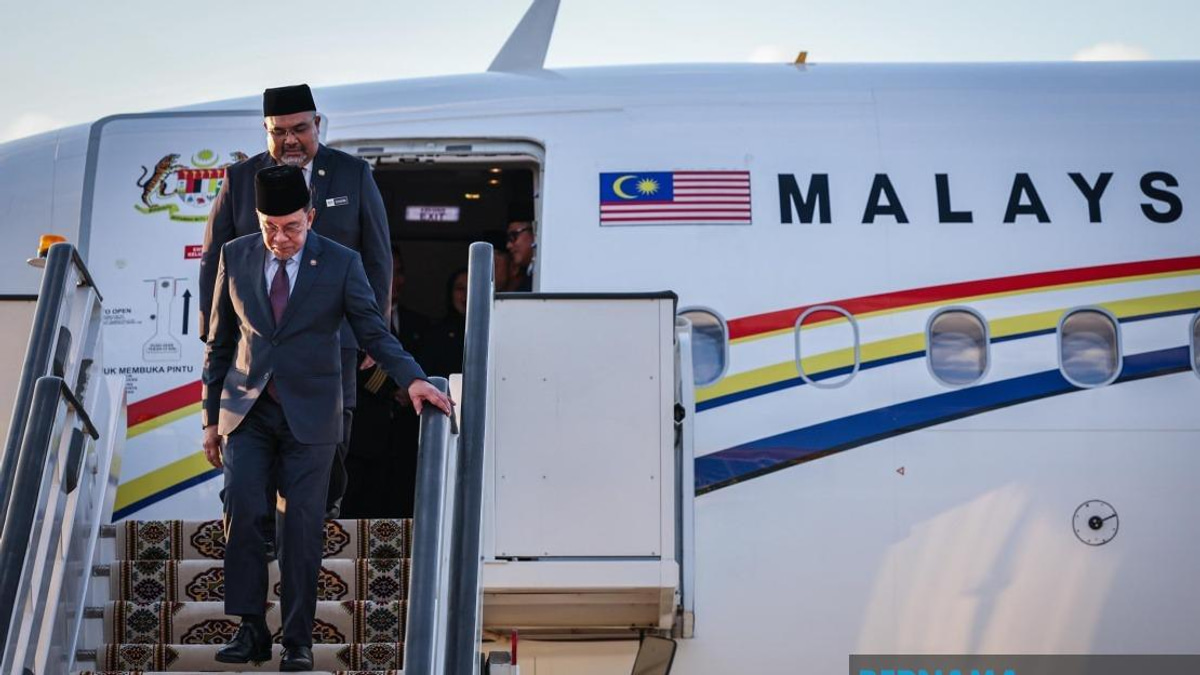
Prime Minister Datuk Seri Anwar Ibrahim has made a fresh appeal to Malaysians to embrace the broader principles embodied in the concept of Hijrah, framing it as essential to the country's future trajectory. His message anchors around three core values—truthfulness, economic advancement and national security—which he suggests should guide the nation's collective behaviour and institutional conduct during a period of significant economic and social transition.
The invocation of Hijrah, which traditionally refers to Prophet Muhammad's migration from Mecca to Medina in the Islamic calendar year 622, carries profound symbolic weight in the Malaysian context. Beyond its historical religious meaning, Anwar has positioned Hijrah as a framework encompassing moral renewal, institutional reform and collective commitment to ethical governance. This reframing allows the concept to resonate across diverse audiences whilst maintaining its spiritual significance for Malaysia's Muslim-majority population. By emphasising universal principles like truthfulness and security rather than narrowly religious dimensions, the Prime Minister appears to be constructing a unifying national narrative.
For Malaysian policymakers and civil society, the emphasis on truth as a foundational value carries particular relevance given ongoing concerns about institutional transparency and accountability. Anwar's framing suggests a philosophical commitment to combating misinformation, corruption and institutional opacity—challenges that have persistently undermined public trust in governance structures across Southeast Asia. The call for truth-centred conduct extends implicitly to government bodies, private corporations and civil society organisations, establishing an expectation that Malaysia's institutions should operate with greater openness and adherence to factual standards.
The prosperity dimension of Anwar's message addresses Malaysia's economic positioning amid regional competition and global uncertainty. With neighbouring economies pursuing aggressive innovation strategies and attracting significant foreign investment, Malaysia faces mounting pressure to enhance productivity, reduce inequality and create sustainable income opportunities across all socioeconomic segments. The Hijrah framework, positioned as emphasising balanced development and shared economic benefit, implicitly signals that prosperity cannot be pursued through exploitative or unsustainable practices. This reflects broader concerns within Malaysian business and development circles about ensuring that economic growth translates into genuine improvements in living standards rather than concentrated wealth accumulation.
Security, the third pillar of Anwar's articulation, encompasses both traditional national security concerns and the broader concept of societal stability. Malaysia's position as a geopolitically significant nation with substantial maritime interests, multi-ethnic composition and substantial economic integration means that security encompasses military readiness, border management, cybersecurity and social cohesion. The invocation of Hijrah principles around security suggests a commitment to protecting national sovereignty, safeguarding citizen welfare and maintaining the institutional framework necessary for peaceful coexistence among diverse communities. This is particularly significant given regional tensions and the complex security challenges facing Southeast Asia.
Anwar's appeal arrives during a period when Malaysia is navigating multiple concurrent challenges including inflation pressures, labour market shifts and evolving geopolitical alignments. By framing these challenges through the lens of Hijrah—as requiring spiritual and moral renewal alongside institutional adjustment—the Prime Minister signals that solutions require more than technical economic policy. Instead, the message implies that sustainable progress depends on widespread adoption of ethical conduct, transparency and commitment to shared prosperity across government, business and civil society.
The concept also carries implicit messaging about national unity. Malaysia's success has historically depended on maintaining accommodation among its diverse religious, ethnic and cultural communities. By positioning Hijrah as encompassing universal principles of truth, prosperity and security rather than sectarian religious doctrine, Anwar creates space for all Malaysians regardless of faith background to understand themselves as participants in a shared national project. This inclusive framing becomes particularly important given periodic communal tensions and the risk that religious language could inadvertently alienate non-Muslim constituencies.
From a governance perspective, Anwar's emphasis on Hijrah as a guiding philosophy potentially signals institutional priorities for his administration. Agencies and ministries might interpret this directive as calling for enhanced transparency in operations, alignment of budgetary decisions with broad-based prosperity goals, and security policies centred on protecting all citizens equitably. The extent to which these principles translate into concrete policy changes will likely determine whether the concept functions as genuine governance reform or primarily symbolic messaging.
Regionally, Anwar's positioning of Hijrah as encompassing ethical governance and inclusive prosperity aligns with broader conversations across Southeast Asia about governance quality and sustainable development. Countries throughout the region grapple with similar challenges around institutional corruption, uneven economic distribution and security vulnerabilities. Malaysia's articulation of a comprehensive framework addressing these interconnected challenges may contribute to regional discussions about governance models that combine traditional values with contemporary development imperatives.
The resonance of this message will depend significantly on whether Malaysians perceive their leaders and institutions as genuinely embodying these principles. Public cynicism about government sincerity regarding reform commitments remains substantial across the region. Anwar's challenge extends beyond articulating aspirational values to demonstrating consistent, visible progress toward greater truthfulness in institutional conduct, tangible improvements in shared prosperity metrics and demonstrated commitment to security policies that protect all communities. How effectively his administration translates the Hijrah framework into operational governance will substantially influence both its domestic credibility and Malaysia's regional standing.