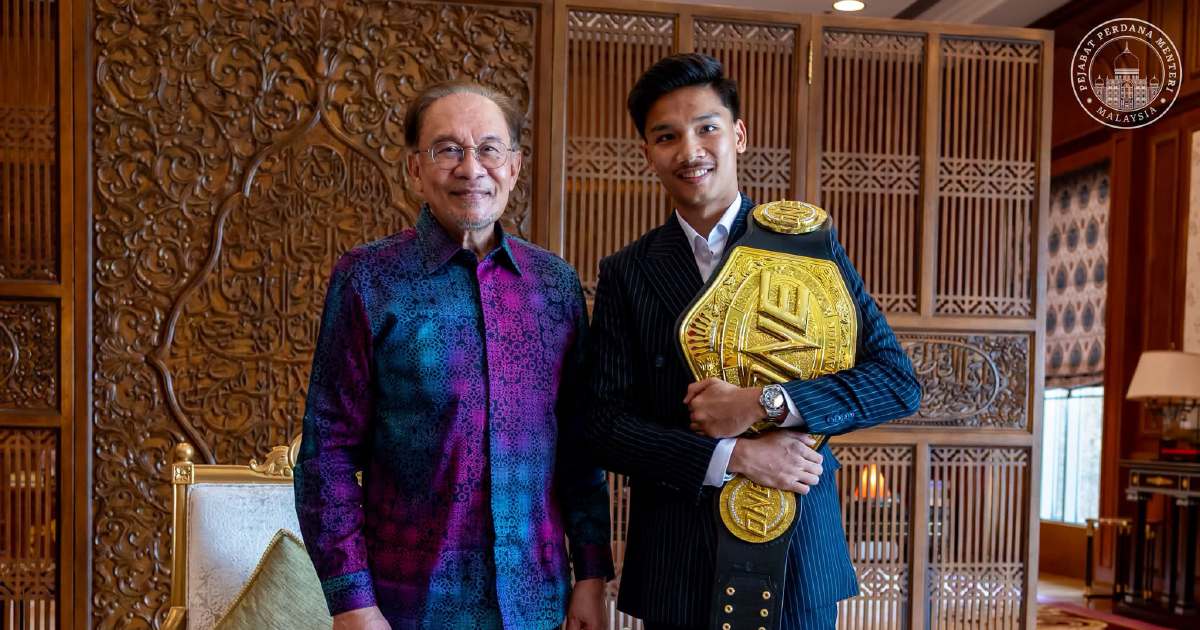
Prime Minister Datuk Seri Anwar Ibrahim has publicly acknowledged Muay Thai athlete Aliff Rakib's unprecedented accomplishment in becoming Malaysia's first-ever winner of the ONE Interim Muay Thai Strawweight World Championship. The felicitation underscores the Malaysian government's recognition of athletic excellence and the expanding prominence of combat sports at international levels.
Aliff Rakib's championship victory represents a watershed moment for Malaysian Muay Thai, a discipline increasingly gaining traction across Southeast Asia as athletes seek global recognition beyond traditional boxing and mixed martial arts platforms. The ONE Championship, headquartered in Singapore, has emerged as Asia's premier combat sports organisation, regularly staging world-class events that draw competitors from across the region. For Aliff to claim an interim world title within this competitive ecosystem signals both individual achievement and Malaysia's growing influence in the martial arts landscape.
The significance of this milestone extends beyond pure sporting achievement. Malaysia has historically produced accomplished athletes in various disciplines, yet combat sports—particularly Muay Thai at the international professional level—have remained relatively underrepresented at the highest echelons. Aliff Rakib's breakthrough therefore reshapes perceptions about Malaysian athletes' competitive capacity in a sport traditionally dominated by Thai, Chinese, and Southeast Asian fighters with longer competitive histories. His triumph may inspire a new generation of Malaysian martial artists to pursue international careers.
The strawweight division, competing at lighter weight categories, has become increasingly competitive within ONE Championship's expanding roster. Aliff's capture of the interim title demonstrates his technical proficiency, conditioning, and mental fortitude against formidable regional opponents. The interim designation, while technically separate from the undisputed championship, carries substantial prestige and positioning for future title unification bouts. For a fighter from a non-traditional Muay Thai nation to achieve this distinction reflects exceptional dedication and adaptation to a sport requiring years of specialised training.
Governmental acknowledgment of such achievements serves multiple purposes within Malaysia's national development framework. Athletic excellence garners international media attention, enhancing the country's soft power and global reputation. It also encourages grassroots participation in combat sports, contributing to public health initiatives through increased interest in martial training facilities and coaching infrastructure. When political leadership publicly celebrates sporting milestones, it sends clear signals that such endeavours merit national investment and support.
The broader implications for Malaysian sports development are noteworthy. While traditional focus has concentrated on badminton, squash, and field hockey, emerging recognition of combat sports success could prompt reallocation of sports funding towards developing talent in this sector. ONE Championship's continued expansion across Asia creates sustained opportunities for Malaysian fighters to compete regularly at premium international venues, exposure that previously required relocation to Thailand or other regional hubs.
Aliff Rakib's achievement also reflects personal sacrifice and determination. Developing Muay Thai proficiency to world championship standard demands immense physical and mental commitment, typically requiring fighters to train extensively under accomplished coaches—often necessitating time spent in Thailand, where the sport maintains deeper cultural roots and superior training facilities. That Aliff has accomplished this while maintaining Malaysian representation speaks to both individual character and the quality of emerging coaching networks within Malaysia itself.
The ONE Championship platform specifically has democratised international combat sports competition across Asia, allowing fighters beyond geographic giants like Thailand and China to gain global exposure. This structural shift in sports globalisation means smaller nations like Malaysia can produce world-class competitors without historically established dominance in particular disciplines. Aliff's victory exemplifies how contemporary international sports structures reward individual excellence regardless of national Muay Thai pedigree.
Looking forward, this championship victory positions Aliff Rakib as a potential pathway for brand development and sponsorship opportunities that could generate sustainable income for athletes pursuing combat sports professionally. International success attracts corporate partnerships, media rights revenue, and performance bonuses that rarely materialised for Malaysian combat athletes previously competing outside mainstream global platforms. Economic viability encourages more young Malaysians to consider combat sports as serious career prospects.
The timing of such recognition by the Prime Minister's office also reflects Malaysia's broader positioning within regional development priorities. As Southeast Asian nations increasingly compete for economic and cultural influence, sporting achievement provides measurable validation of national capability. A Malaysian champion in an internationally televised ONE Championship event reaches audiences across Asia, strengthening cultural soft power particularly valuable for tourism and business development initiatives.
For the combat sports community specifically, Aliff Rakib's success validates the infrastructure investments made by local training facilities, coaching academies, and supportive federations that have nurtured his development. These institutions require encouragement and resources to continue producing internationally competitive athletes. Governmental recognition effectively endorses their work and may prompt increased funding allocations.
Moving forward, attention will focus on whether Aliff can defend and build upon this interim championship status, potentially pursuing an undisputed title bout. Repeated success at the highest levels would cement Malaysia's position as an emerging force in international Muay Thai, likely encouraging further investment in athlete development and combat sports infrastructure. Whether this singular achievement catalyses broader systemic changes in how Malaysian sports talent is identified, funded, and developed remains an open question requiring sustained governmental commitment and strategic sports policy evolution.

