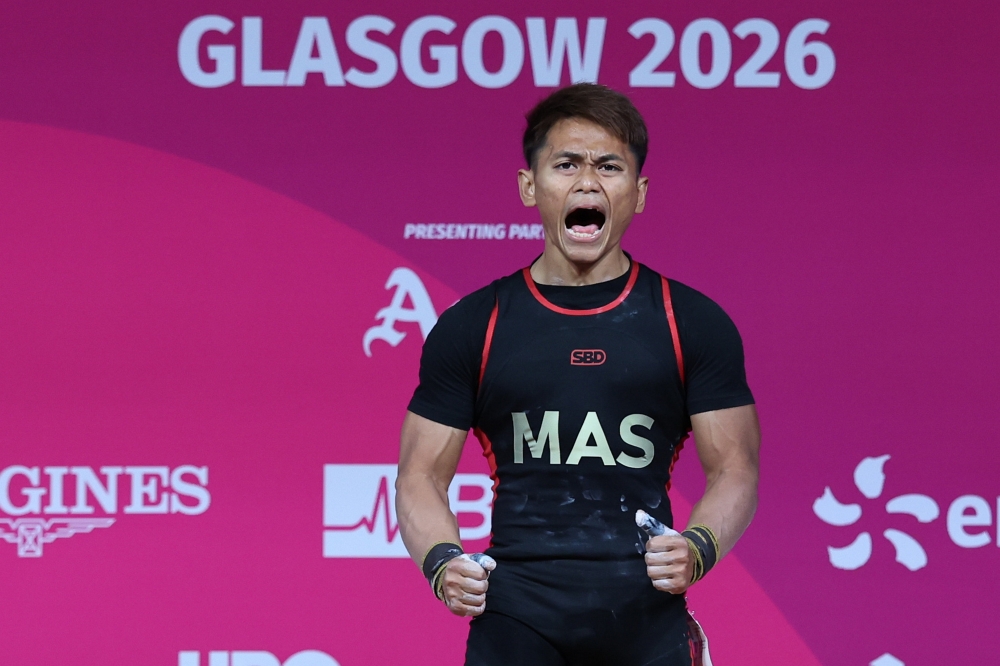
Prime Minister Datuk Seri Anwar Ibrahim has publicly recognised weightlifter Mohamad Aniq Kasdan's historic gold medal triumph at the Commonwealth Games, underscoring the government's commitment to nurturing athletic excellence across the nation. The achievement represents a watershed moment for Malaysian sport, particularly within the discipline of weightlifting, where sustained investment and training programmes have begun to yield international recognition.
Kasdan's victory carries deeper significance within Malaysia's broader sporting strategy. Over the past decade, the nation has increasingly focused resources on developing elite athletes in niche disciplines where competitive advantages can be built through targeted coaching and infrastructure development. Weightlifting, traditionally dominated by countries with long-established programmes, has emerged as an area where Malaysian commitment and athlete dedication are generating measurable returns on the international stage.
The Prime Minister's public acknowledgement reflects how contemporary Malaysian governance views sporting achievement—not merely as individual glory, but as a demonstration of national capability and potential. When senior political leadership directly commends athletic success, it signals institutional support for continued investment in sports infrastructure, athlete welfare, and coaching development, matters that directly influence whether young Malaysians view sport as a viable career pathway.
Commonwealth Games medals hold particular symbolic weight within Malaysia's sporting consciousness. The biennial competition has historically served as a crucial proving ground for athletes preparing for Olympic qualification, and success at Commonwealth level frequently translates into heightened expectations and resources for pursuing world championships and Olympic berths. Kasdan's gold therefore positions him within a trajectory that could extend Malaysia's influence in international weightlifting competitions.
The implications extend beyond individual recognition to questions of sports governance and talent identification. Malaysia's weightlifting federation has invested considerably in identifying young athletes with potential for elite performance, establishing training camps and international coaching partnerships. Kasdan's victory validates these investments while simultaneously creating a template that administrators can point to when justifying continued budgetary allocation to seemingly niche sports that lack the mass participation appeal of football or badminton.
For Malaysian audiences, particularly in communities where weightlifting clubs and training facilities operate, Kasdan's achievement provides tangible proof that sporting dreams cultivated at the grassroots level can culminate in international success. This visibility matters tremendously in sustaining recruitment pipelines, as younger athletes observing a peer's triumph become more inclined to pursue serious training rather than treating sport as casual recreation.
The Commonwealth Games context also speaks to Malaysia's standing within the broader Pacific and Asian sporting community. As a nation that hosted the Commonwealth Games in Kuala Lumpur in 1998 and maintains active participation across successive editions, each medal contributes to accumulated sporting prestige. Gold medals in less prominent sports often attract disproportionate attention precisely because they represent breakthroughs rather than victories within already-established areas of dominance.
Anwar's recognition of Kasdan occurs within a political environment where sports policy intersects with national development narratives. Successive Malaysian administrations have attempted to position the country as an emerging sporting powerhouse in Southeast Asia, capable of competing alongside more established regional neighbours. Individual Commonwealth Games victories, while modest in isolation, aggregate into a broader message about Malaysian competence and investment in human capital.
The weightlifting achievement also provides welcome positive news coverage during periods when Malaysian political discourse often fixates on governance challenges and policy disputes. Sporting success offers a neutral ground where national pride transcends partisan divisions, allowing political leaders across the spectrum to unite in celebrating athletic accomplishment without risking controversial commentary.
Looking forward, Kasdan's success will likely influence funding decisions for weightlifting programmes and potentially encourage neighbouring athletes from Brunei, Singapore, and other Commonwealth nations to relocate to Malaysia for training, further developing the nation's sporting infrastructure. The gold medal may also prompt Malaysian corporate sponsors to increase backing for weightlifting initiatives, recognising the return on investment that international recognition generates.
Within the Malaysian sporting fraternity, Kasdan's achievement sends a message that breakthrough performances in less mainstream disciplines merit equivalent recognition and support as achievements in traditionally prominent sports. This philosophically matters for how future governments allocate resources and which athletes receive media attention and sponsorship opportunities.
The Prime Minister's congratulations therefore represent more than ceremonial acknowledgement. They signal governmental recognition that Malaysia's sporting future depends partly on success in diverse disciplines where strategic investment and athlete dedication can generate international medals. As Malaysia continues developing its sporting infrastructure and talent identification systems, Kasdan's Commonwealth Games gold will likely be referenced repeatedly as evidence that these investments produce tangible returns.

