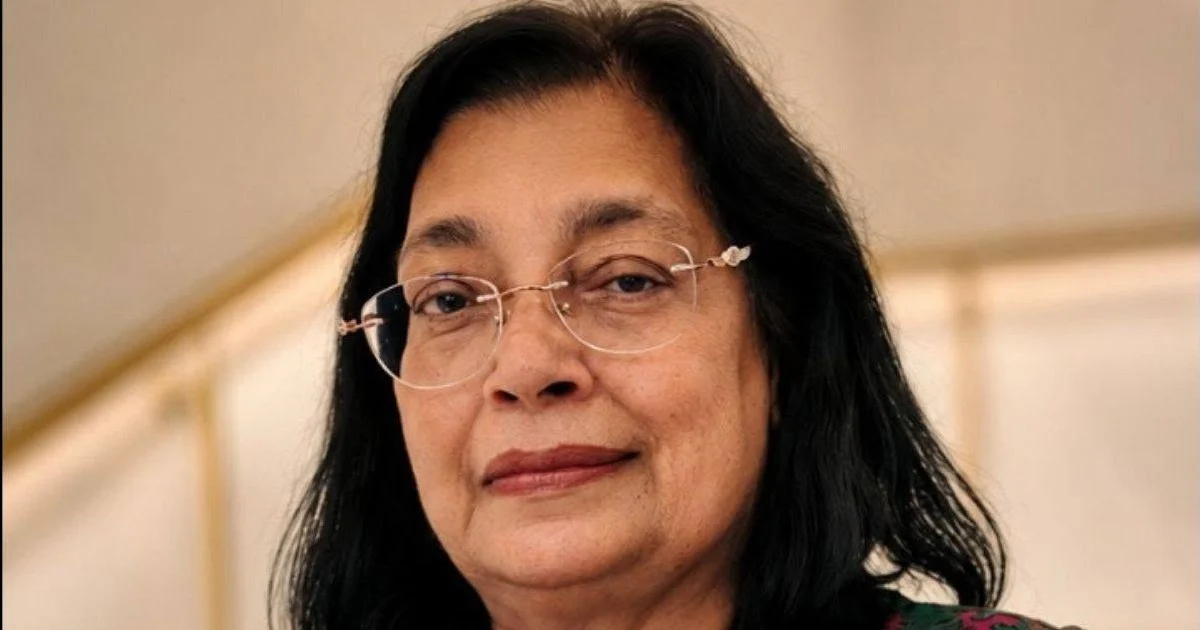
Prime Minister Datuk Seri Anwar Ibrahim has extended his congratulations to Datuk Yasmeen Muhamad Shariff after she was elected to serve on the United Nations Committee on the Rights of the Child, a significant achievement that underscores Malaysia's growing influence in international human rights architecture and its commitment to protecting vulnerable populations worldwide.
Yasmeen's selection to the committee for the 2027-2031 term represents a notable development in Malaysia's engagement with multilateral organisations focused on child welfare and protection. The UN CRC committee comprises independent experts tasked with monitoring implementation of the Convention on the Rights of the Child and its optional protocols across the nearly 200 nations that are signatories to the convention. These experts review periodic reports from countries and provide recommendations on domestic policy and legislative frameworks governing child protection, education, health, and social services.
Malaysia's representation in such influential bodies carries particular weight in Southeast Asia, where demographic dynamics and development challenges create pressing needs for coordinated regional approaches to child protection. With a population where children constitute approximately 30 per cent of the total, Malaysia faces ongoing questions about juvenile justice reform, educational access across socioeconomic divides, and safeguarding mechanisms for vulnerable minors including child labourers and trafficking victims. Yasmeen's appointment provides an opportunity for regional perspectives and Southeast Asian concerns to inform global standards and best practices in child rights protection.
The Committee on the Rights of the Child operates as the principal oversight mechanism for the 1989 Convention on the Rights of the Child, the most widely ratified human rights treaty globally. Committee members examine how nations translate their international commitments into actionable policy, investigating matters ranging from school discipline protocols and juvenile detention conditions to access to healthcare and protection from exploitation. The committee's observations and recommendations, while not legally binding, carry substantial moral authority and frequently shape bilateral engagement between developed and developing nations on child welfare issues.
Yasmeen's background and expertise presumably positioned her candidacy as compelling during the selection process. Her election to this term, which begins in 2027, suggests recognition of her qualifications in child-related policy, human rights advocacy, or institutional governance from within the international community. For Malaysia, her presence on the committee means the country's domestic experiences with child protection challenges and its innovative responses to them can inform global discourse. Conversely, Malaysian policymakers will benefit from direct access to emerging international consensus on best practices in child welfare and rights protection.
The timing of Yasmeen's appointment coincides with evolving global attention to child protection in contexts including armed conflict, climate-driven displacement, and digital exploitation. The committee increasingly addresses cross-border child trafficking, online safety, and the impact of environmental degradation on children's survival and development rights. Malaysia, positioned as a major economy in a region experiencing significant migration and digital adoption, faces these challenges acutely. Yasmeen's participation equips Malaysia to contribute meaningfully to these discussions while potentially channelling international experience back into domestic policy deliberation.
Anwar's public acknowledgment of Yasmeen's appointment through formal congratulations signals the government's prioritisation of human rights engagement and international cooperation on child protection. This positioning aligns with the Prime Minister's broader diplomatic strategy emphasising Malaysia's role as a responsible regional actor committed to multilateralism and rules-based international order. For domestic audiences, it reinforces government messaging around protecting minors and addressing vulnerabilities, particularly relevant given periodic media coverage of child abuse cases and concerns about juvenile justice outcomes within Malaysia.
From a regional perspective, Malaysia's strengthened voice within the UN CRC committee strengthens Southeast Asia's collective capacity to advocate for contextually appropriate child protection standards. The region has historically grappled with tensions between international human rights instruments and domestic legal traditions, particularly regarding family law, religious jurisdiction, and customary practices. Yasmeen's committee membership provides an institutional platform for articulating how diverse Southeast Asian jurisdictions implement child protection frameworks while respecting pluralistic legal systems, potentially facilitating more nuanced international dialogue on these sensitive matters.
The appointment also reflects Malaysia's institutional capacity in human rights expertise and its ability to field competitive candidates for international positions. This capability matters for the nation's soft power ambitions in an increasingly contested international environment. As countries jostle for influence in multilateral forums, fielding qualified experts on prestigious committees demonstrates human capital depth and serious engagement with global governance structures. For Malaysia, cultivating such representation across various UN bodies builds diplomatic relationships and credibility that extend beyond specific issue areas.
Looking ahead, Yasmeen's four-year term will encompass potentially transformative global conversations on child rights, particularly regarding artificial intelligence, mental health, and climate adaptation. Her contributions to the committee's deliberations and her role in evaluating Malaysia's own progress in child protection will be closely observed both domestically and regionally. The appointment thus represents not merely symbolic recognition but a practical opportunity for Malaysia to shape emerging international norms while showcasing its commitment to the vulnerable populations at the heart of sustainable development and social stability.

