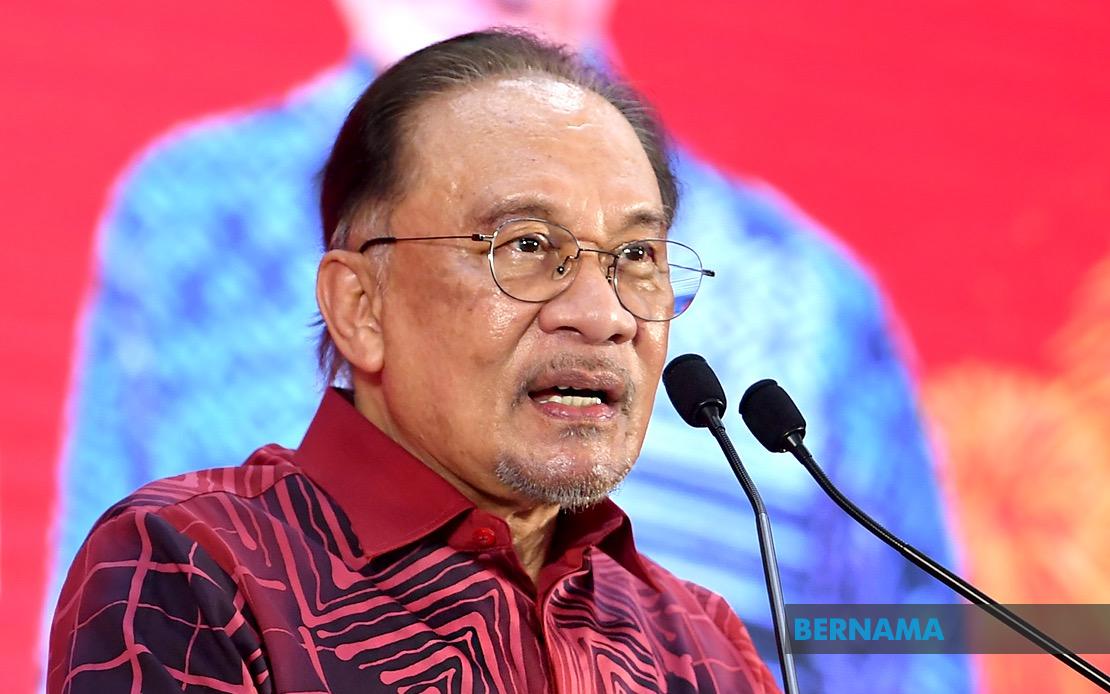
Prime Minister Datuk Seri Anwar Ibrahim will use his keynote address today to set out Pakatan Keadilan Rakyat's (PKR) strategic priorities as the party's National Congress 2026 convenes in Melaka. The two-day gathering, organised under the banner "Memugar Reformasi, Membina MADANI" (Revitalising Reformasi, Building MADANI), marks a significant moment for the ruling coalition's largest component party to reassess its political positioning and reaffirm the reform agenda that has defined its identity since inception.
The congress represents more than a routine party exercise. With approximately 2,500 delegates and at least 3,000 observers expected to attend from across the peninsula, it serves as a barometer of party morale and internal cohesion at a time when Malaysian politics continues to navigate complex transitions. The conference structure itself—beginning with separate sessions for the youth wing Angkatan Muda Keadilan and Wanita PKR, officiated by deputy president Nurul Izzah Anwar—demonstrates the party's intention to ensure all wings contribute substantively to the congress's outcomes.
The presence of diplomatic representatives from the United States, China, Japan and Australia underscores international recognition of PKR's significance within Malaysia's governance structure. This diplomatic attendance reflects broader geopolitical interest in how Malaysia's ruling coalition manages internal party dynamics while maintaining stability in a region marked by strategic competition among major powers. For Malaysian readers and regional observers, such international presence signals that PKR's internal deliberations carry implications beyond domestic politics alone.
Debate sessions will concentrate on three priority areas that resonate directly with Malaysian households: economic management, education policy and political stability. These themes reflect PKR's assessment that public confidence depends on tangible improvements in living standards, educational quality and institutional reliability. By structuring debates around these issues rather than purely ideological matters, PKR appears to be repositioning itself as pragmatically focused on delivery, a signal to voters that the party recognises popular expectations have evolved since the reformasi movement's earlier phases.
Anwar's dual role—as both party president and Prime Minister—adds particular weight to his address. His speech will likely balance reaffirming PKR's reform credentials with explaining how those principles translate into government policy under the MADANI framework, which emphasises prosperity, harmony and culture. This positioning allows Anwar to consolidate party support while justifying governance choices to a broader electorate that extends beyond PKR's traditional base.
The participation of multiple government ministries and agencies—including the National Registration Department, Immigration Department, Royal Malaysia Police and Registrar of Societies—reflects the party's strategy of leveraging its ruling position to provide tangible services at the congress. This approach demonstrates how governing parties in Malaysia increasingly blur the boundaries between party activities and government service delivery, a phenomenon that shapes voter perceptions of state capacity and political patronage simultaneously.
Recognition ceremonies, including the Bill Kayong Award honouring five families of long-serving members, serve a dual purpose within party management. Such tributes reinforce the narrative of PKR as a movement rooted in sacrifice and commitment, values essential for maintaining activist motivation and member retention. For an opposition-turned-governing party, emphasising such historical continuity helps bridge the identity challenge of transitioning from insurgent movement to establishment institution.
The "Karnival Rahmah Mega" jointly hosted by the Domestic Trade and Cost of Living Ministry signals PKR's intention to use the congress as a platform for demonstrating government responsiveness to inflation and affordability concerns. By opening this carnival to the public, the party converts an internal gathering into a quasi-campaign event that allows both members and ordinary Malaysians to experience government initiatives firsthand. This blending of party and government activities reflects how contemporary Malaysian politics increasingly merges electoral and administrative functions.
For Southeast Asian observers tracking Malaysia's political trajectory, this congress offers insights into how the country's largest coalition party reconciles ideological continuity with practical governance responsibilities. PKR's emphasis on reformasi alongside MADANI development suggests the party is attempting to satisfy activists demanding ideological fidelity while reassuring voters and investors concerned with stability and economic performance. This balancing act shapes not only PKR's future but also the broader sustainability of Malaysia's coalition government amid regional uncertainties.
Anwar's closing remarks tomorrow will effectively signal how successfully the party has navigated these tensions. The congress provides an opportunity to demonstrate that PKR remains a cohesive force within the coalition, a particularly important message given periodic speculation about coalition strain and realignment. Success here translates to projected stability heading toward Malaysia's next general election, a consideration that extends implications well beyond party politics into investor confidence and regional strategic calculations regarding Malaysia's governance reliability.
The congress's timing also matters contextually. Held in mid-August, it allows PKR to reset its messaging narrative heading into the final months of 2026, positioning the party for potential mid-term political adjustments. Whether Anwar's address will emphasise continuity or introduce revised policy directions remains to be observed, but the comprehensive nature of the gathering suggests PKR is preparing for a substantial recalibration of its strategic approach as Malaysia navigates an increasingly complex governance environment.

