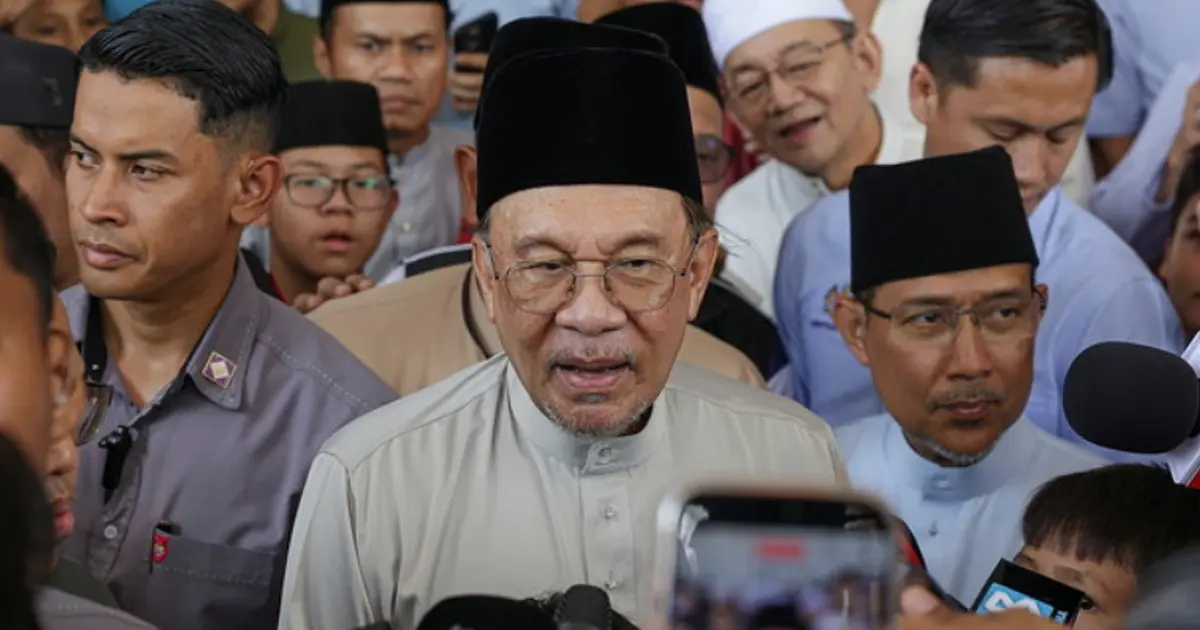
Prime Minister Anwar Ibrahim has declared that the full findings of the Royal Commission of Inquiry into Tabung Haji have been made available to the public without any editorial intervention or redaction, addressing concerns about potential censorship of the investigative report. The assertion comes as transparency regarding the fund's governance becomes increasingly critical to public confidence in the nation's largest Islamic financial institution and its stewardship of pilgrim savings.
The Tabung Haji fund, which manages hajj savings for Malaysian Muslims intending to undertake the annual pilgrimage to Mecca, has faced mounting scrutiny over its investment practices and financial management in recent years. The establishment of the Royal Commission of Inquiry represented an official acknowledgment that governance concerns warranted formal investigation at the highest level. The thoroughness of such inquiries and the integrity of their findings directly influence both public trust and the regulatory framework that will govern the institution moving forward.
Anwar's confirmation that no alterations were made to the RCI report carries significant weight given Malaysia's historical experience with official commissions and inquiries. Previous instances where reports were delayed, selectively released, or underwent modifications before public dissemination have fuelled public cynicism about governmental transparency. By explicitly stating that the document was released in its entirety, the Prime Minister is positioning his administration as departing from such precedents and adhering to principles of institutional accountability.
The decision to publish the complete report, rather than releasing a sanitised summary or redacted version, demonstrates a commitment to allowing Malaysians to scrutinise the inquiry's findings directly. This approach permits stakeholders—including Tabung Haji contributors, religious authorities, financial regulators, and civil society organisations—to draw their own conclusions from the evidence and recommendations presented. The full disclosure also enables media scrutiny, which serves as an essential check on the implementation of any corrective measures the commission may have proposed.
Tabung Haji's financial health and governance practices have been subjects of public debate, particularly regarding investment strategies that some observers considered overly aggressive or inadequately supervised. The hajj fund's substantial asset base and its role in facilitating one of Islam's five pillars make it not merely a financial institution but also a matter of religious and social importance. Any lapses in stewardship therefore carry implications beyond conventional corporate governance, touching on public trust in religious institutions and state management of Islamic affairs.
For Malaysian regulators, the unedited RCI report provides a comprehensive basis for formulating policy responses and enforcement actions. The Securities Commission, Bank Negara Malaysia, and the Malaysian Islamic Development Department all have interests in ensuring that lessons from the inquiry inform future oversight mechanisms. The absence of censorship means that regulatory gaps identified by the commission cannot be downplayed or obscured in subsequent policy deliberations, creating pressure for substantive remedial action rather than superficial adjustments.
Regionally, Malaysia's handling of corporate governance failures and institutional accountability increasingly influences the nation's standing as a financial hub. Investors and international observers monitor how the country addresses malfeasance within significant domestic institutions. A transparent approach to publishing investigative findings signals institutional maturity and commitment to the rule of law, factors that strengthen investor confidence in Malaysian markets and regulatory frameworks more broadly.
The timing of the report's full publication also reflects broader political dynamics within the Malaysian government. Since Anwar Ibrahim assumed office, his administration has emphasised governance reform and anti-corruption initiatives as central to its political agenda. Releasing an uncompromised RCI report on a major public institution aligns with this positioning and may serve to differentiate his government from previous administrations, particularly on matters of institutional integrity and official transparency.
Public reception of the Tabung Haji RCI report will likely depend on both the severity of findings presented and the credibility of recommendations offered. If the commission's conclusions identify significant governance failures, the public will scrutinise how thoroughly the government implements the proposed reforms. Conversely, if findings are less damning than public concern might have suggested, the detailed evidence will permit informed debate about whether additional corrective measures beyond the commission's recommendations are warranted. Either way, the availability of the full report ensures that discussions about Tabung Haji's future direction are grounded in shared factual understanding rather than speculation or partial information.

