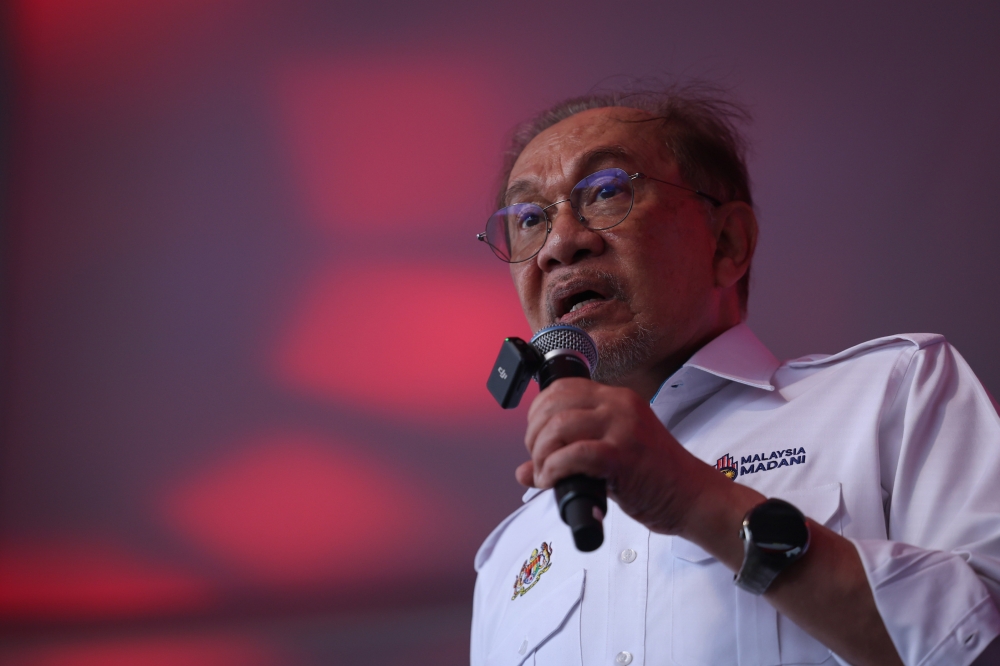
Prime Minister Datuk Seri Anwar Ibrahim has levelled sharp criticism at the opposition Perikatan Nasional coalition, contending that the bloc has abandoned its responsibility to Tabung Haji depositors by staging a walkout from parliamentary proceedings examining the pilgrimage fund's financial troubles. The heated exchange in Parliament reflected deepening acrimony between the government and opposition over who bears accountability for the institutional failures that stripped thousands of Malaysian Muslims of their savings.
The confrontation unfolded as lawmakers debated the Royal Commission of Inquiry report into Tabung Haji, the state-owned pilgrimage fund that has faced mounting pressure from investment losses and governance scandals. Anwar seized the parliamentary moment to question Perikatan Nasional's commitment to the fund's depositors, suggesting the opposition's withdrawal from debate represented a failure of political courage. The Prime Minister contended that serious discussion of Tabung Haji's challenges required sustained parliamentary engagement rather than strategic exits.
Tabung Haji depositors have endured substantial financial hardship following years of mismanagement and investment decisions that eroded the fund's reserves. Malaysia's Muslim community, which represents the majority population and forms the fund's core constituency, has watched their retirement and hajj pilgrimage savings diminish under circumstances that sparked public anger and regulatory scrutiny. The Royal Commission of Inquiry was established to establish accountability and recommend remedial measures, making parliamentary consideration of its findings a matter of national importance.
Anwar's criticism suggests the government views opposition participation in the RCI debate as both a political obligation and a measure of genuine concern for affected depositors. By walking out, Perikatan Nasional MPs may have inadvertently strengthened the government's narrative that the opposition prioritises political advantage over substantive engagement with institutional reform. The tactical withdrawal provided Anwar an opening to position his administration as the more serious arbiter of Tabung Haji's future and depositors' interests.
The Tabung Haji controversy carries particular resonance in Malaysian politics because it directly affects millions of ordinary Malaysians preparing for the pilgrimage to Mecca, Islam's holiest obligation. Unlike investment funds or pension schemes that appeal to specific demographic segments, Tabung Haji holds cultural and religious significance across the Muslim-majority nation. Any perception of political indifference toward its crisis risks damaging the perpetrator's standing among this crucial electoral constituency.
Tabung Haji's accumulated problems include substantial losses from property investments, forex trading, and equity holdings that underperformed expectations during market downturns. The fund's governance framework came under fire for permitting risky investment strategies without sufficient oversight mechanisms. Depositors complained of inadequate transparency regarding their accounts' actual performance and minimal communication from management about remedial plans.
The establishment of the Royal Commission of Inquiry represented governmental acknowledgment that Tabung Haji required systematic review and institutional restructuring. The inquiry's mandate extended to examining past management decisions, assessing financial viability, and proposing governance reforms that could restore depositor confidence. Parliament's role in digesting and responding to the RCI's recommendations constitutes a crucial phase in any recovery programme.
Perikatan Nasional's decision to absent itself from debate risks appearing as abdication of parliamentary responsibility, particularly to constituencies with significant numbers of Tabung Haji depositors. Opposition parties typically champion scrutiny of government-linked institutions, making withdrawal from such debates seem incongruous with traditional oppositional posturing. The walkout may reflect internal disagreement within the coalition regarding strategy or concern that sustained debate could implicate their predecessors in governance failures.
Anwar's accusation that the opposition is neglecting Tabung Haji depositors carries implicit weight because his government inherits responsibility for addressing the fund's crisis from previous administrations that included Perikatan Nasional members. Political accountability for Tabung Haji's deterioration remains contested, with multiple governments and management teams bearing varying degrees of culpability across the period when losses accumulated. The RCI report presumably assigns responsibility across these periods, potentially affecting political calculations about whether to engage substantively with parliamentary discussion.
The parliamentary confrontation illustrates broader divisions within Malaysia's political landscape regarding how to address institutional failures within government-linked entities. The Tabung Haji episode encompasses questions about investment governance, transparency, political oversight, and fiduciary responsibility that extend beyond this single fund to shape how Malaysia manages other state-owned institutions serving public interest mandates. Parliamentary debates on such matters therefore acquire significance transcending the immediate institutional crisis.
Tabung Haji depositors, numbering in the millions and predominantly from Malaysia's middle and working classes, await concrete outcomes from the RCI process and subsequent parliamentary action. Public interest in the fund's recovery and restoration of depositor confidence remains high, particularly among communities for whom Tabung Haji represents accumulated savings dedicated to fulfilling religious obligations. Political parties' demonstrated commitment through active parliamentary engagement signals seriousness about resolution.
The opposition's walkout may prove strategically counterproductive if it reinforces public perception that Perikatan Nasional prioritises confrontation over constructive engagement with depositor welfare. Conversely, the government gains rhetorical advantage by positioning itself as the serious actor committed to institutional reform. The parliamentary incident therefore carries consequences extending beyond immediate political theatre to shape how Malaysians assess competing visions for addressing governance failures within critical institutions serving the nation's Muslim-majority population.

