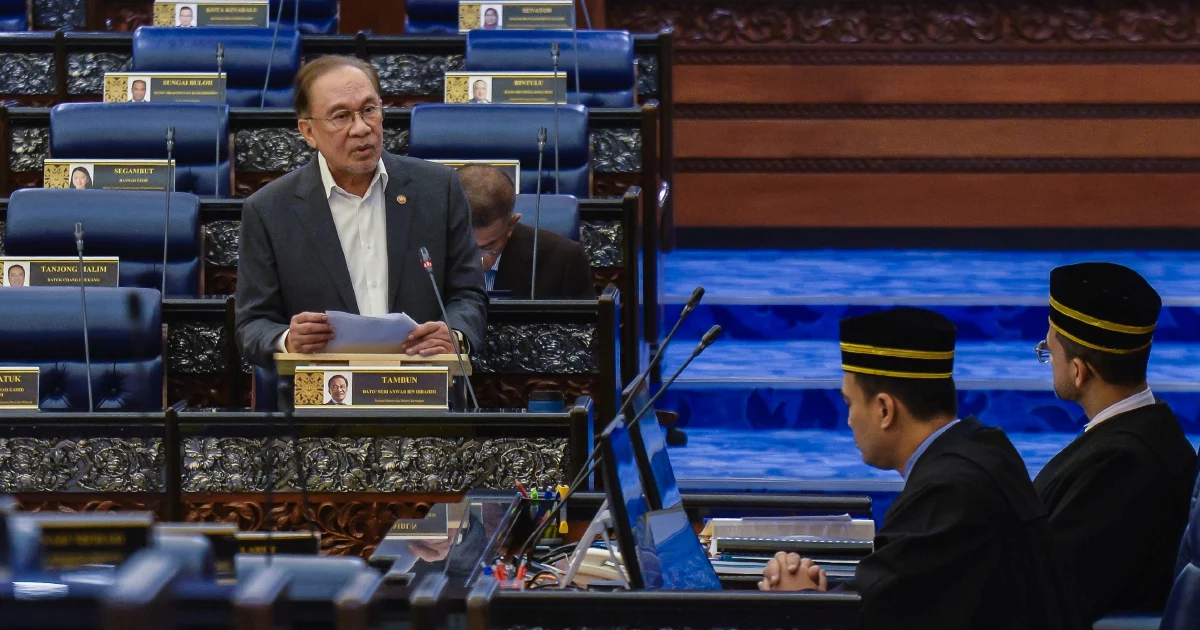
Prime Minister Datuk Seri Anwar Ibrahim has moved to address speculation about his role in the postponement of the 2026 Johor Felda Settlers' Day celebration, categorically denying that he issued instructions to scrap the event scheduled for Kluang, Johor. The denial comes as questions swirl around the circumstances that led to the sudden shelving of arrangements for what was meant to be a significant occasion honouring the legacy of Federal Land Development Authority (Felda) beneficiaries in the state.
The incident has become something of a touchstone for broader concerns about decision-making processes within government structures and the extent to which central leadership influences implementation at state and federal agency levels. In Malaysian political discourse, such denials frequently trigger speculation about internal disagreements between federal and state authorities, or between different factions within the ruling coalition, particularly when ceremonial and symbolic events are involved.
Felda Settlers' Day serves as an important commemoration for one of Malaysia's most significant agrarian reform initiatives. Established in 1956, the Felda scheme was designed to resettle rural poor families as smallholders cultivating rubber, oil palm, and cocoa. Over decades, the programme has shaped the livelihoods of hundreds of thousands of Malaysian families and remains emotionally resonant for its beneficiaries and their descendants. The Johor iteration of this celebration holds particular weight given the state's historical prominence in Felda development and its continuing economic reliance on plantation agriculture.
The withdrawal of support for the 2026 event raises questions about resource allocation within government agencies and whether budget constraints, reorganisation priorities, or strategic shifts in how Felda matters are handled within the current administration played a role. Such decisions rarely emerge from single directives but typically result from accumulated pressures, administrative realignments, or evolving policy priorities that may or may not emanate directly from the Prime Minister's office.
For Malaysian observers following federal politics, the distinction between what the Prime Minister personally directs versus what unfolds through bureaucratic channels or state-level governance carries significance. It speaks to questions of accountability, transparency, and how power operates within Malaysia's complex multi-tiered governmental architecture. The clarification suggests that either miscommunication occurred, or that decisions attributed to the top leadership actually reflected recommendations or actions taken by subordinate agencies.
Felda settlers and their communities, particularly in Johor, represent a politically conscious and historically aware constituency. This group has demonstrated capacity to mobilise around issues affecting their interests and symbolic recognition. The cancellation or postponement of a commemorative event touches upon matters of dignity, historical acknowledgement, and the government's perceived commitment to honouring its obligations to this demographic segment. Such constituencies often serve as bellwethers for broader satisfaction or discontent with the government's approach to rural development and agrarian policy.
The statement by Datuk Seri Anwar Ibrahim also reflects the broader political environment in Malaysia where allegations regarding executive decision-making face immediate and public rebuttal, signalling both the importance of the issue and the sensitivity around accusations of top-down interference in agency or state-level affairs. This dynamic underscores the delicate balance administrations must maintain between exercising central authority and respecting the autonomy of federal agencies and state governments.
Felda's current trajectory merits consideration as part of this narrative. The authority has undergone various restructuring exercises in recent years, with discussions about modernisation, diversification beyond traditional commodities, and enhanced financial sustainability. Within that context, decisions about ceremonial expenditure or the scale of commemorative events might reasonably shift as the organisation recalibrates its priorities and resource deployment. Understanding whether the event's postponement relates to these internal Felda changes could clarify whether the matter truly concerns the Prime Minister's directive or reflects operational decisions within the agency itself.
The timing of the cancellation announcement also warrants consideration. Coming earlier this month, it would have required coordination across multiple agencies responsible for planning, venue arrangement, and protocol matters. That such arrangements could be disrupted suggests either unexpected developments emerged that necessitated rapid decision-making, or that the original planning proceeded without adequate approval from relevant authorities.
Looking forward, the clarification from the Prime Minister's office may lead to revised plans for honouring Felda settlers and their contributions to Malaysian society, potentially through alternative formats or scaled arrangements. How such revised commemoration ultimately unfolds will carry symbolic weight for the Felda community and broader rural constituencies whose support remains important to Malaysia's political stability and electoral calculations.

