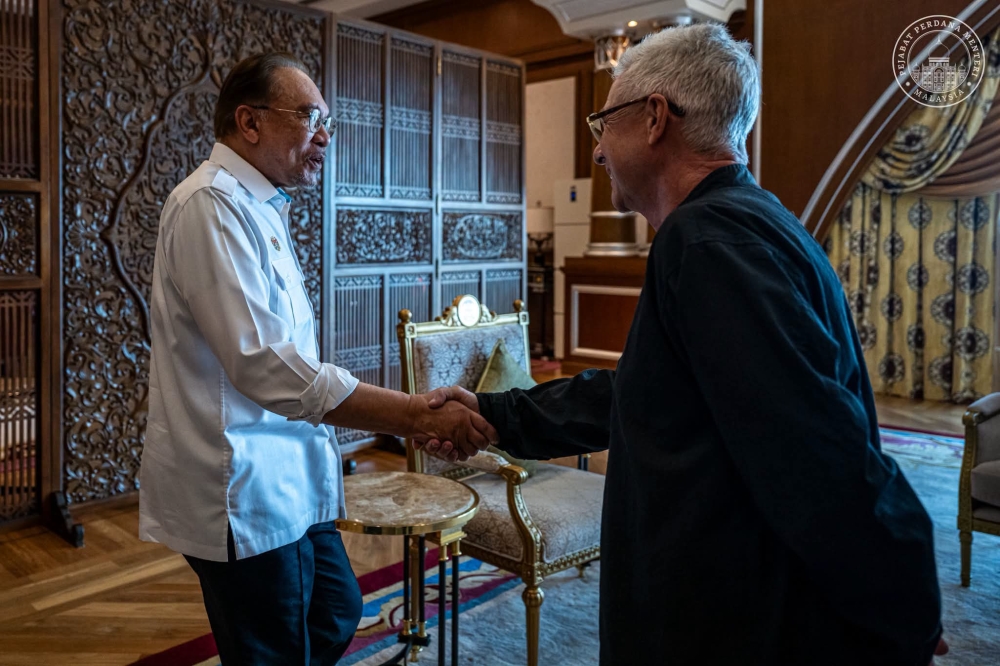
Prime Minister Datuk Seri Anwar Ibrahim has begun high-level discussions with Singapore's Grand Prix leadership about reviving Malaysia's presence on the Formula 1 calendar, with negotiations centring on the potential comeback of racing events at Sepang International Circuit. The meeting underscores the government's ambition to reestablish the country as a major motorsport destination in Southeast Asia and reignite the region's standing in international racing competitions.
Sepang International Circuit, located in Selangor, hosted the Malaysian Grand Prix for two decades before the event was discontinued in 2017, representing a significant gap in the nation's sporting and tourism infrastructure. The circuit itself remains fully operational and holds FIA homologation standards, meaning it can technically accommodate Formula 1 operations at relatively short notice. This technical readiness is a crucial advantage as international circuits compete fiercely for coveted calendar slots in an increasingly crowded F1 season that already stretches beyond 20 races.
Engagements at this level typically involve complex negotiations spanning multiple dimensions: financial arrangements between organisers and Formula 1 Management, infrastructure upgrades, security protocols, and broadcast rights agreements. Singapore's Grand Prix chief brings valuable expertise from running Asia's flagship night race in Marina Bay, which has consistently demonstrated strong commercial viability and global television audiences despite its demanding organisational requirements. The consultation suggests that Malaysian officials are seeking to learn from Singapore's successful operational model and potentially explore shared regional strategies.
Malaysia's motorsport heritage runs deep, with Sepang having hosted not only Formula 1 but also motorcycle racing championships and other major international events. The circuit's closure from F1 coincided with broader economic pressures on major sporting events globally, though the motorsport industry has shown remarkable recovery post-pandemic. Several former F1 circuits worldwide have successfully staged comebacks by securing fresh commercial partnerships and demonstrating renewed fan interest, providing templates that Malaysia could potentially follow.
The timing of Anwar's initiative reflects broader regional dynamics. Southeast Asia's economic growth and expanding middle class have created renewed appetite for premium sporting experiences and associated hospitality services. Formula 1 management has shown interest in returning to profitable markets, and Malaysia's geographic position as a major transportation hub, combined with its existing circuit infrastructure and established hospitality ecosystem, presents compelling arguments for circuit operators and sponsors. The 2025 F1 calendar remains unsettled in several respects, potentially creating windows for negotiations.
Beyond the sporting dimension, hosting Formula 1 carries substantial economic implications for Malaysia. The Malaysian Grand Prix formerly generated significant revenue through ticketing, hospitality packages, merchandise, and ancillary tourism spending. Associated hotel occupancy, transportation services, and retail activity provided wider economic stimulus across the Klang Valley region and beyond. Local businesses, from construction firms preparing the circuit to catering services during race weekends, benefited from the event's extensive supply chain requirements.
The diplomatic aspect of these discussions should not be overlooked. Motorsport serves as a platform for nations to project soft power and demonstrate technological capability and organisational sophistication. Countries hosting major F1 events gain international media exposure worth hundreds of millions in equivalent advertising, with global broadcast reaching diverse demographics across all continents. This visibility extends beyond sporting audiences to influence investor perceptions and tourism marketing.
Anwar's personal engagement in these negotiations signals that the initiative carries cabinet-level priority rather than being delegated to technical committees or sports ministries alone. This approach typically accelerates decision-making and suggests the government may be prepared to address funding or regulatory hurdles that previously hindered Sepang's F1 operations. Previous efforts to restore the Malaysian Grand Prix encountered obstacles including questions about long-term financial viability and competing international obligations.
Singapore's Grand Prix chief, as a sought-after figure in international motorsport governance, likely carries insights about current trends in circuit hosting: how race promoters balance authenticity of location-specific experiences with standardised F1 requirements, methods for maximising television ratings in different markets, and strategies for securing corporate partnerships in an increasingly competitive landscape. This knowledge transfer could prove invaluable as Malaysia charts its return to the calendar.
The broader Southeast Asian context matters significantly. Thailand, Vietnam, and other nations in the region have pursued Formula 1 opportunities with varying degrees of success, creating both competitive and collaborative opportunities. Malaysia's potential re-entry would reshape the region's motorsport geography and influence sponsorship and media strategies throughout Southeast Asia's sporting sector.
While formal announcements remain pending, the fact that senior government leadership is actively engaging with Formula 1's operational ecosystem suggests serious momentum behind this initiative. Success would require alignment across multiple stakeholders: circuit operators, government funding agencies, commercial sponsors, and ultimately Formula 1 management itself. The coming months will likely reveal whether these preliminary discussions translate into concrete negotiations or serve primarily to explore feasibility.

