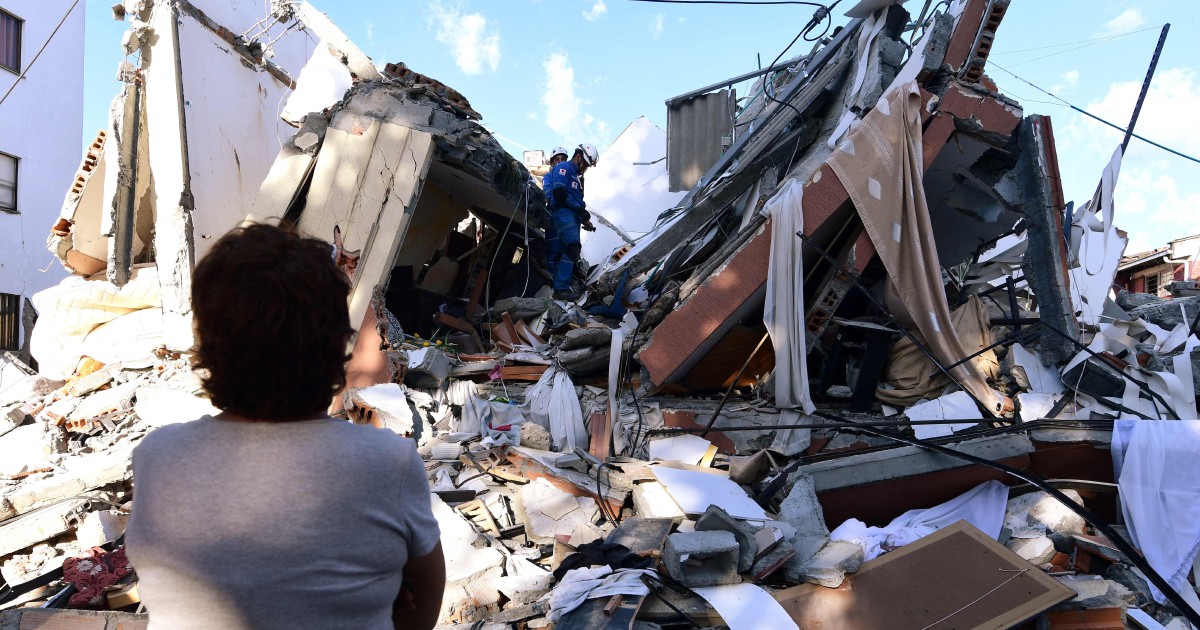
Malaysia's Prime Minister Datuk Seri Anwar Ibrahim has reached out to express his sympathy following a destructive earthquake that impacted western Colombia, offering condolences to those who lost loved ones in the disaster. The gesture reflects Malaysia's continued commitment to humanitarian solidarity with nations experiencing natural calamities, underscoring the importance of international cooperation during periods of crisis.
Earthquakes remain among the most unpredictable and potentially catastrophic natural disasters, capable of causing widespread destruction within moments. Western Colombia, situated in a tectonically active region of South America, faces heightened vulnerability to seismic activity. The sudden occurrence of such events typically leaves communities grappling with immediate infrastructure damage, displacement of residents, and significant loss of life. The scale of destruction in such incidents often extends far beyond the initial impact zone, creating cascading humanitarian challenges that require sustained international assistance and coordination.
PM Anwar's expression of condolences represents Malaysia's diplomatic engagement with nations across diverse regions and continents. Malaysia, despite being geographically distant from Colombia, recognises the shared human dimension of natural disasters and maintains active channels of communication with countries across the Americas. This outreach demonstrates how Malaysia positions itself as a responsible member of the global community, particularly when tragedy strikes fellow nations. Such gestures, though symbolic, carry weight in international relations and foster goodwill between nations during periods of heightened vulnerability.
Colombia's experience with seismic events is not unfamiliar, given its location along the Pacific Ring of Fire and its complex geological setting. The western regions of the country, encompassing areas along the Pacific coast and Andean zones, experience relatively frequent tectonic activity due to the convergence of multiple tectonic plates. Previous earthquakes in the region have demonstrated the vulnerability of infrastructure and the challenges faced by emergency response systems in rapidly mobilising aid to affected populations. Understanding these patterns helps contextualise the recurring nature of such disasters in the region.
The timing and intensity of earthquakes cannot be predicted with precision, making preparedness and resilience-building critical components of disaster management strategies. Nations like Colombia have progressively invested in early warning systems, building codes, and disaster response protocols to mitigate the impact of seismic events. However, despite these measures, the sudden release of tectonic energy often overwhelms even well-prepared systems, particularly in areas with dense populations or inadequate infrastructure. International support becomes essential in bridging the gap between immediate needs and long-term recovery efforts.
Malaysia's experience with natural disasters, including earthquakes and tsunamis, has shaped its approach to disaster preparedness and international humanitarian cooperation. The country's vulnerability to similar natural hazards creates a foundation of empathy and practical understanding when responding to crises elsewhere. Malaysian agencies involved in disaster management and humanitarian relief have developed expertise that could potentially contribute to global efforts in earthquake response and recovery planning. This shared experience across disaster-prone nations strengthens the rationale for coordinated international action.
The diplomatic channels through which PM Anwar conveyed his message reflect the formalised systems through which nations communicate during crises. Prime ministerial-level expressions of condolence carry significance beyond mere courtesy, signalling official recognition of the disaster and a nation's willingness to engage in potential relief efforts. Such communications often precede more substantive measures, including the mobilisation of financial assistance, technical expertise, or humanitarian resources. The initial expression of sympathy establishes the framework for broader cooperation.
For Colombians affected by the earthquake, international support serves multiple functions beyond the immediate provision of material assistance. Recognition from foreign leaders validates the scale of the tragedy and helps draw global attention to the affected region's needs. This external focus can facilitate access to international relief funds, technical expertise in search and rescue operations, and medical support that might exceed what domestic resources alone can provide. The psychological impact of knowing that the international community acknowledges their suffering also contributes to community resilience during the recovery phase.
The earthquake's impact on western Colombia will likely extend across multiple dimensions of national life, including economic disruption, healthcare system strain, and social displacement. Recovery from such disasters typically requires years of sustained effort, involving reconstruction of physical infrastructure, restoration of economic activity, and psychological support for traumatised populations. International partners can contribute meaningfully during each phase of this extended recovery process, from immediate rescue and medical response through to long-term rebuilding and resilience enhancement. Malaysia's expression of solidarity positions it as a potential participant in these various phases of support.
Looking forward, the incident serves as a reminder of the unpredictable nature of geological hazards and the universal vulnerability of human communities to such forces. Earthquakes affect nations regardless of economic status or technological advancement, creating common ground among all countries in recognising the need for robust disaster management systems and international cooperation frameworks. PM Anwar's condolences exemplify how nations can bridge geographical and cultural distances to acknowledge shared human suffering and express mutual support during crises. Such expressions of solidarity, while seemingly ceremonial, form an essential component of the global network of humanitarian cooperation that increasingly characterises international relations in the modern era.

