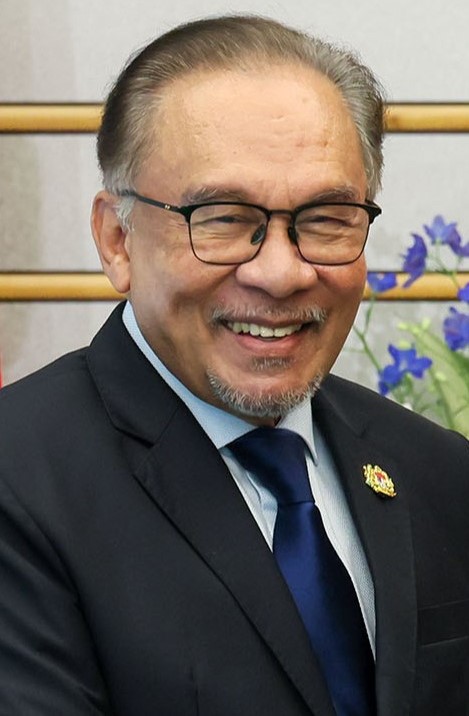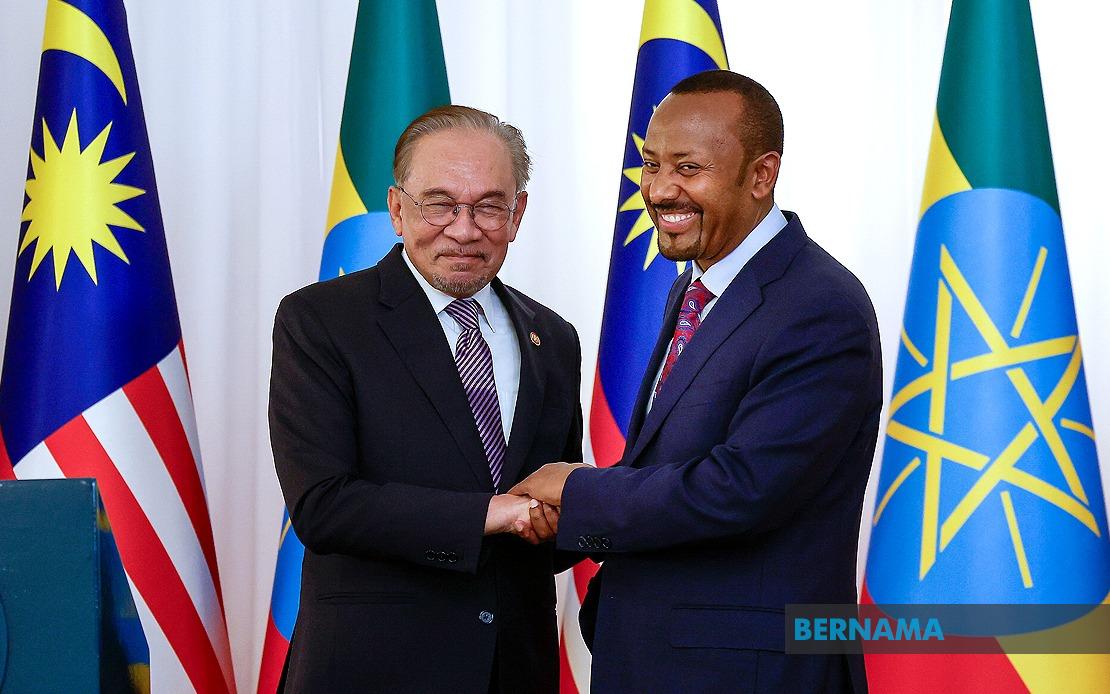
Prime Minister Datuk Seri Anwar Ibrahim has publicly congratulated Ethiopian Prime Minister Abiy Ahmed Ali and the Prosperity Party following their successful outcome in Ethiopia's general election, signalling Malaysia's continued interest in deepening ties with the East African nation. Through a statement posted on social media, Anwar expressed warm regards toward the victorious party and its leader, reflecting the diplomatic warmth that has characterised Malaysia-Ethiopia relations in recent years.
Anwar's congratulatory message carried particular weight given the context of his landmark visit to Addis Ababa in the preceding year, which he noted represented the first official visit by a sitting Malaysian prime minister to Ethiopia. That trip proved consequential for bilateral engagement, with Anwar recalling the substantive nature of the discussions held with Abiy and the hospitality extended to the Malaysian delegation. The visit underscored Malaysia's intention to build stronger institutional relationships across the African continent, moving beyond ceremonial diplomatic exchanges toward substantive cooperation frameworks.
In his remarks, Anwar highlighted a shared worldview and common strategic perspectives between himself and Abiy, particularly regarding how nations from the Global South can benefit from collaborative approaches. This framing reflects Malaysia's broader positioning within South-South cooperation mechanisms, where the country seeks to leverage partnerships with fellow developing nations to amplify influence and address shared development challenges. The emphasis on "reading the world in much the same way" suggests alignment on major geopolitical questions and developmental priorities that extend beyond traditional bilateral concerns.
The Malaysian premier characterised Ethiopia as occupying significant importance within Malaysia's broader African engagement strategy. Rather than viewing Ethiopia as a singular nation, Anwar's comments position it as a gateway and anchor point for Malaysian diplomatic and commercial activity across the continent. This reflects a conscious effort by Malaysia to establish meaningful footholds in Africa, particularly through relationships with key regional powers and continental institutions headquartered in Addis Ababa.
Ethiopia's election results carry broader implications for regional stability in the Horn of Africa, a strategically vital region given its proximity to major maritime trade routes and its geopolitical significance. The Prosperity Party's victory and Abiy's continued leadership provide continuity in bilateral relations at a time when the region has experienced considerable turbulence. From Malaysia's perspective, stable and predictable governance in Ethiopia facilitates planning for long-term cooperative initiatives and reduces uncertainty in business and diplomatic engagements.
Anwar's reference to initiatives "set in motion" during his previous visit suggests concrete projects or frameworks under development between the two governments. These could encompass trade arrangements, investment partnerships, or cooperation in multilateral forums such as the African Union, where Malaysia maintains observer status. The commitment to "carrying forward" these efforts indicates that the election outcome has not disrupted Malaysia's engagement plans but rather provides an opportunity for accelerated implementation.
For Malaysian audiences, the strengthening of ties with Ethiopia carries relevance beyond diplomacy. Economic opportunities may emerge through enhanced trade relationships, while cultural and educational exchanges can foster people-to-people connections. Ethiopia's growing economy and strategic location make it an attractive partner for Malaysian enterprises seeking to expand into African markets, and government-level diplomatic warmth typically facilitates private sector engagement.
The broader context of Malaysia-Africa relations has evolved considerably in recent years, with successive Malaysian governments increasing focus on the continent. Anwar's approach emphasises equality and mutual benefit rather than asymmetrical donor-recipient dynamics, a positioning that resonates with African aspirations for genuine partnership. This philosophy aligns with Malaysia's own historical experience as a developing nation that has benefited from horizontal cooperation with peers across Asia and the Middle East.
Ethiopia's significance extends to its role within the African Union and regional economic frameworks. As the host nation of the African Union headquarters, Ethiopia holds considerable continental influence. Malaysian engagement with the country therefore carries multilateral dimensions, as strengthened bilateral ties can translate into enhanced influence within pan-African forums and initiatives. This multiplier effect makes Ethiopia a particularly valuable partner for nations seeking to build African influence efficiently.
The timing of Anwar's congratulations, coming promptly after election results, demonstrates Malaysia's commitment to maintaining momentum in the relationship regardless of electoral cycles. Unlike relationships subject to significant policy shifts following leadership changes, the continuity projected here suggests that Malaysia views its engagement with Ethiopia as transcending individual administrations and rooted in strategic national interests. This long-term perspective is essential for building the trust necessary for substantive cooperation agreements.
Looking forward, the election outcome creates stability that Malaysia can leverage for expanding cooperation across multiple sectors. Whether through enhanced parliamentary exchanges, joint business councils, or cooperation within African development initiatives, the foundation laid during Anwar's previous visit appears positioned for consolidation. The congratulatory message thus represents more than diplomatic courtesy—it signals Malaysia's intention to remain an engaged and committed partner in Ethiopia's development journey.