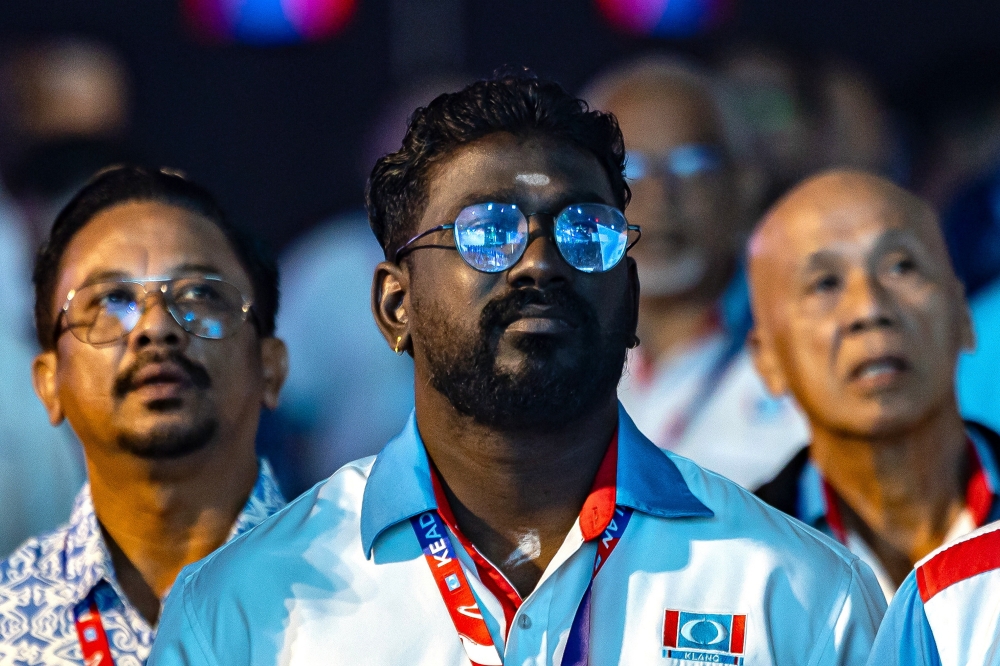
Prime Minister Datuk Seri Anwar Ibrahim has launched a fresh effort to bring back disaffected members and former leaders to PKR, signalling growing concern within the party leadership about recent departures that have weakened its parliamentary numbers and grassroots strength. Speaking in Ayer Keroh on August 15, Anwar extended an invitation to those who had severed ties with the party to reconsider their positions, framing the move as an opportunity for reconciliation rather than continued estrangement.
The appeal underscores the mounting challenges facing PKR as a cornerstone of the ruling coalition. Since assuming office, Anwar's administration has encountered steady erosion of support as several prominent figures have quit the party or switched allegiance to rival political groupings. This pattern of departures has forced coalition partners to grapple with reduced legislative muscle and the optics of internal instability at a time when economic pressures and rising cost-of-living concerns dominate public discourse.
PKR's struggles reflect broader tensions within Malaysia's political establishment following the 2022 general election and subsequent coalition realignments. The party, which formed the backbone of the Pakatan Harapan coalition that previously governed from 2018 to 2020, has found itself competing for relevance and membership loyalty amid shifting political calculations. Members who believe they lack adequate representation in party structures or who face frustration with decision-making processes have reportedly sought opportunities elsewhere, including in UMNO and other Bumiputera-focused parties.
Anwar's reconciliation pitch comes at a delicate moment for coalition stability. The government relies on slender parliamentary majorities, particularly following the loss of several MPs to defection or party-hopping. Each departure reduces the coalition's buffer against no-confidence motions and complicates legislative agendas, from budget approvals to critical constitutional amendments. For Anwar personally, the departures carry additional significance given his historical role in establishing PKR and his reliance on party loyalty to sustain his position as Prime Minister.
The invitation to former members suggests PKR leadership recognises that further haemorrhaging could prove catastrophic. Rather than adopting a defensive posture or intensifying intra-party discipline, Anwar appears to be banking on nostalgia and shared history to entice returnees. This approach carries both symbolic value—demonstrating leadership magnanimity—and practical utility, as re-recruitment of experienced politicians could quickly restore numerical strength without requiring time-consuming election cycles.
However, the efficacy of such appeals depends heavily on addressing the underlying grievances that prompted initial departures. Former members who left cite various reasons: inadequate recognition of seniority, perceived favouritism in party ticket distributions, disagreements over coalition partners, and frustration with Anwar's governance priorities. A simple invitation, without corresponding structural reforms or concessions, may ring hollow to those who invested considerable political capital in PKR only to feel marginalised.
The timing of Anwar's statement also reflects awareness that the coalition cannot afford complacency. Opposition parties have been systematically attempting to peel away coalition members by offering alternative political platforms and opportunities for advancement. UMNO, in particular, has successfully attracted several former PKR figures by leveraging Bumiputera narratives and emphasising majority-community representation. Each successful recruitment undermines PKR's standing as a multiethnic party capable of bridging communal divides.
For Malaysian observers, PKR's instability carries implications beyond party politics. The coalition's cohesion directly affects the government's capacity to implement economic reforms, address inflation and unemployment, and navigate pressing issues such as climate change and digital transformation. A fractious ruling coalition struggles to maintain sustained policy focus or push through unpopular but necessary measures. Conversely, a consolidated coalition with strong internal discipline can execute longer-term strategic visions despite electoral headwinds.
The regional dimension deserves consideration as well. Southeast Asian governments frequently cite political stability as essential for attracting foreign investment and maintaining investor confidence. Malaysia's coalition troubles, even if purely domestic in character, can influence investor perceptions of governance quality and policy continuity. Multinational corporations planning expansion in Southeast Asia monitor such signals closely when evaluating Malaysia against competing locations in Thailand, Vietnam, or Indonesia.
Anwar's appeal also hints at the generational challenge confronting PKR. The party must balance retention of veteran politicians whose experience and networks remain valuable against the imperative of nurturing younger leaders who can energise grassroots activism and connect with urban, digitally-native voters. Former members who departed may represent untapped experience pools, but attracting them back requires demonstrating that the party has evolved sufficiently to address past failures while retaining institutional memory.
Looking ahead, success of the reconciliation initiative will be measured not merely by headline numbers of returning members but by their genuine integration into party structures and their willingness to contest elections on PKR's behalf. Symbolic returns without substantive re-engagement would offer only temporary relief. The party leadership must therefore accompany any open invitation with concrete measures demonstrating reformed governance and renewed commitment to inclusive decision-making. Whether Anwar's appeal translates into meaningful rejuvenation or remains a rhetorical gesture will become apparent in coming months as PKR prepares for potential by-elections and positions itself ahead of the next general election cycle.

