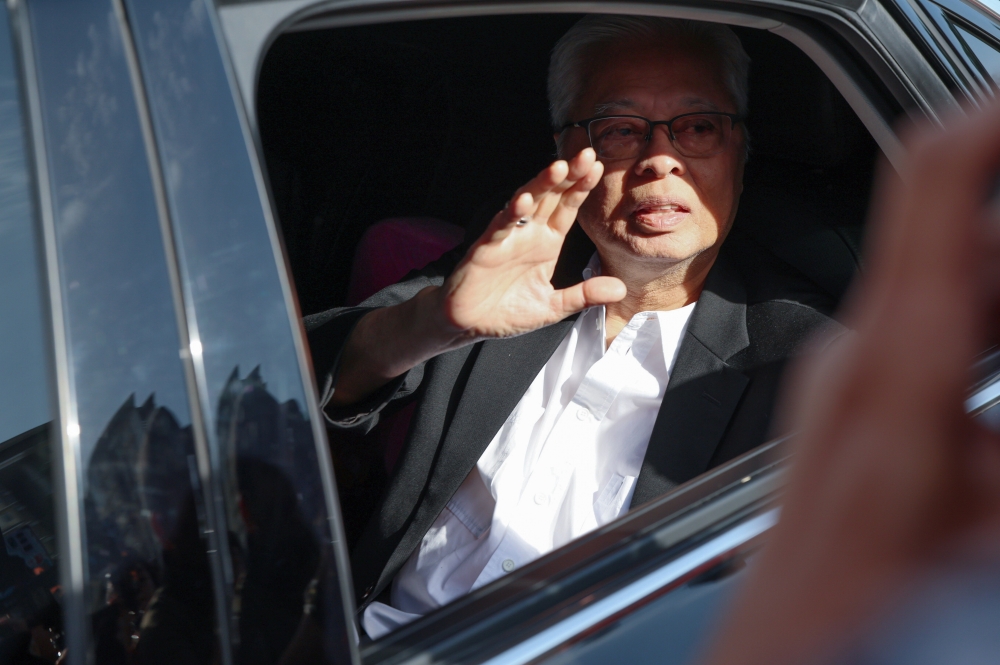
Prime Minister Datuk Seri Anwar Ibrahim made a private visit to the National Heart Institute (IJN) in Kuala Lumpur, calling on Deputy Prime Minister Datuk Amar Fadillah Yusof and former Prime Minister Datuk Seri Ismail Sabri Yaakob, who are each undergoing medical treatment at the facility. The gesture, made on August 9, underscored the Prime Minister's commitment to maintaining cross-party goodwill during a period when two senior political figures required hospital care.
The visit represented a notable display of bipartisanship in Malaysian politics, particularly given that Ismail Sabri hails from the opposition-aligned Barisan Nasional coalition, while Fadillah remains part of the government structure. Such courtesy calls by sitting premiers to hospitalised political opponents are customary in Malaysian parliamentary tradition, signalling respect for public figures regardless of their partisan affiliations. The Prime Minister's presence at IJN sent a message to both the public and the political establishment about the importance of transcending electoral divisions when matters of personal health arise.
Anwar expressed his hope for a swift and complete recovery for both individuals, noting the significance of their contributions to national affairs. His remarks highlighted the personal dimensions of political life in Malaysia, where public servants, despite their policy disagreements and competitive electoral positioning, often maintain cordial personal relationships. The IJN, Malaysia's premier cardiac facility, has long been the institution where high-ranking government officials and dignitaries receive specialised heart and cardiovascular treatment, making it a familiar setting for senior political figures requiring such care.
The timing of the dual admissions raised broader questions about the workload and stress placed on Malaysia's political leadership. Both Fadillah and Ismail Sabri held significant positions of responsibility within government structures, roles that traditionally demand intense schedules and high-pressure decision-making. The health challenges facing these two prominent figures, each at different stages of their political careers, also prompted reflection on succession planning and institutional continuity within Malaysia's administrative apparatus.
Fadillah's position as Deputy Prime Minister places him in the direct line of succession should the need arise, making his wellbeing a matter not merely of personal concern but of institutional stability. His recovery timeline could have implications for government operations and the delegation of responsibilities during his period of recuperation. Similarly, Ismail Sabri's status as a former premier means his health circumstances attract significant media and public attention, given his previous stewardship of national affairs during the complex post-electoral period of 2021 to 2022.
The IJN visit also reflected broader patterns in Malaysian political culture, where ceremonial acknowledgements of illness and recovery form part of the established protocol for senior leaders. Unlike some Westminster democracies where parliamentary statements about ministerial absences might create perceived weakness or opportunity for political opponents, the Malaysian approach typically involves discreet coordination and mutual respect for medical privacy. Anwar's decision to visit personally rather than sending a representative demonstrated the gravity with which he treated the matter and his personal regard for both individuals.
For the Malaysian public and international observers, such moments provide glimpses into the personal dimensions of political rivalries that often dominate headlines during elections and policy debates. The hospital visit humanised the formal structures of government and reminded citizens that those wielding political power are subject to the same health vulnerabilities as ordinary Malaysians. This reality serves as a powerful reminder that institutional arrangements, succession protocols, and contingency planning must remain robust, as circumstances can force rapid transitions in leadership or temporary transfers of authority.
The recovery trajectories of both Fadillah and Ismail Sabri would be watched carefully by political analysts and government watchers, as extended absences from active roles could reshape cabinet dynamics and parliamentary proceedings. For Anwar, the visit also represented an opportunity to demonstrate leadership qualities associated with grace, magnanimity, and concern for the wellbeing of all Malaysians, transcending the partisan divisions that characterise electoral competition. Such displays of unity at moments of personal crisis can enhance public confidence in the stability and professionalism of the nation's political institutions.
Looking forward, the incident underscored the importance of succession planning and contingency measures within Malaysia's executive and parliamentary structures. While the constitution and standing orders provide frameworks for temporary absences and role transitions, the practical management of such periods requires coordination, communication, and clear protocols—elements that become particularly crucial when multiple senior figures face simultaneous health challenges. The episode also highlighted the centralised nature of Malaysian governance, where the health and availability of a small number of key individuals can have disproportionate effects on governmental functions and policy implementation.

