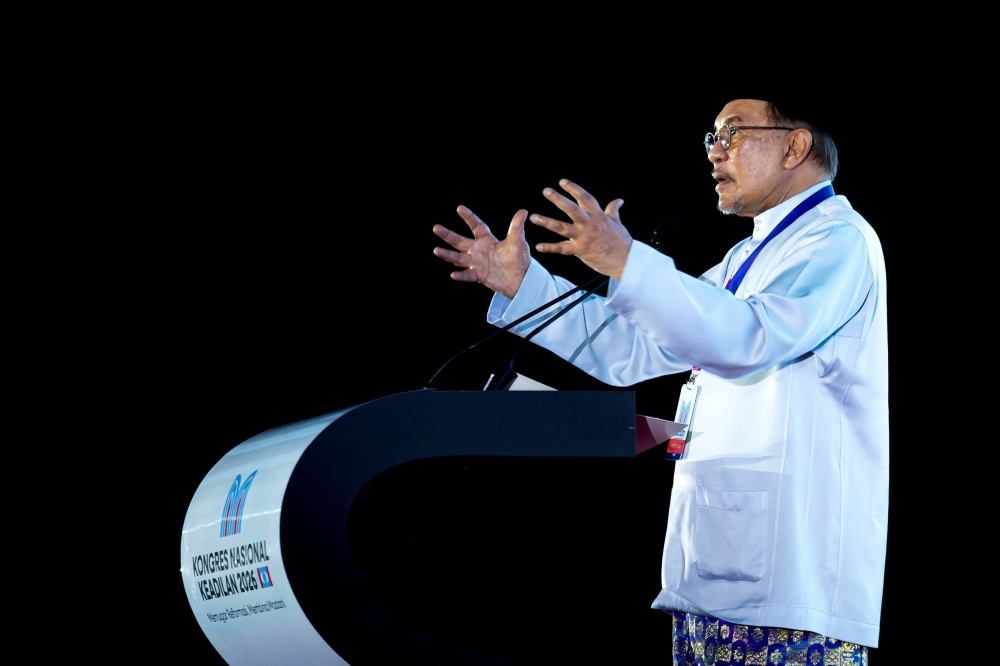
Prime Minister Datuk Seri Anwar Ibrahim has signalled that Malaysia's government is preparing to roll out significant policy adjustments in the coming weeks, with the first wave of announcements expected to commence on Monday. Speaking in Melaka on Thursday, the premier indicated these changes are deemed necessary and will precede the formal presentation of Budget 2027, suggesting the administration views these modifications as foundational to its fiscal and governance direction.
The timing of Anwar's disclosure underscores the government's desire to telegraph major policy shifts before formal budget deliberations begin. By front-loading announcements, the administration appears intent on preparing stakeholders—businesses, civil society, and the public—for adjustments that may carry substantial implications across multiple sectors. This approach reflects a strategic communication posture, allowing time for stakeholder feedback and adjustment before legislative procedures commence.
While the premier did not enumerate specific policy areas targeted for reform, the phased announcement strategy suggests breadth rather than isolated adjustments. The decision to begin rollouts this week indicates urgency within government circles, hinting that these changes address pressing concerns or align with broader strategic objectives that the cabinet has already debated. The deliberate spacing of announcements across coming weeks also suggests complexity in implementation or a desire to manage news cycles effectively.
For Malaysia's business community, such signals typically prompt recalibration of corporate strategies and investment planning. Multinational firms and domestic enterprises have grown accustomed to anticipating fiscal announcements through government signals, adjusting operations and financial forecasts accordingly. The pre-budget announcement pattern has become integral to Malaysian economic planning cycles, allowing enterprises time to model scenarios and prepare contingency strategies before formal policy documents are tabled.
The Southeast Asian context adds another dimension to Malaysia's pre-budget positioning. As regional economies navigate post-pandemic recovery, monetary policy coordination, and competitive pressures, Malaysia's policy direction influences cross-border investment flows and regional trade dynamics. Neighbouring economies monitor Malaysian fiscal and regulatory announcements closely, particularly regarding tax incentives, trade conditions, and sectoral support measures that may affect regional competitiveness or supply chain decisions.
Anwar's framing of these changes as "urgent" carries weight in Malaysian political discourse, where language choices often signal priority levels and political capital allocation. Describing modifications as pressing suggests the premier views them as non-deferrable and essential to governance objectives. This characterisation may also serve to build political consensus within cabinet and parliament, establishing that announced measures address genuine economic or social imperatives rather than ideological preferences.
Budget cycles in Malaysia have increasingly become moments for comprehensive policy recalibration beyond mere fiscal allocation. The 2027 Budget presents an opportunity for the government to consolidate its economic vision, particularly given the trajectory of inflation, employment, and sectoral performance since the current administration took office. Pre-budget announcements allow policymakers to frame the coming fiscal year within a narrative of purposeful reform and strategic direction.
The announcement strategy also reflects lessons learned from previous budget cycles, where unexpected policy announcements generated market turbulence or stakeholder resistance due to inadequate preparation time. By staggering disclosures, governments enable markets to digest changes incrementally, reducing shock impacts on business sentiment and investment decisions. This more measured approach contrasts with surprise policy announcements, which can destabilise confidence or prompt reactive behaviour detrimental to policy objectives.
For civil society and advocacy groups in Malaysia, the upcoming announcement period represents a critical window for engagement. Organisations focused on economic justice, labour rights, environmental sustainability, or sectoral interests typically mobilise during pre-budget phases to influence policy formulation. The Monday start date gives such groups limited time to coordinate responses, though established networks often maintain ongoing dialogue with government offices during budget preparation cycles.
State governments and local authorities will also scrutinise these announcements carefully, particularly if changes affect revenue-sharing arrangements, development allocations, or regulatory frameworks within their jurisdictions. Melaka's selection as the announcement venue may carry symbolic weight, though such locations are often chosen for logistical or political reasons unrelated to the announcements' substance.
International observers and foreign investors will parse Anwar's signals for clues regarding Malaysia's fiscal stance, structural reform appetite, and policy predictability. These perceptions influence credit ratings, currency valuations, and investment decisions by overseas funds, making communication clarity essential. The premier's decision to front-load announcements suggests confidence in the government's direction and a desire to demonstrate decisive leadership.
The coming weeks will test whether the announced changes address Malaysia's persistent economic challenges—productivity growth, sectoral diversification, talent retention—or focus on financial sustainability and revenue management. The budget cycle provides an opportunity to signal coherent vision or reveal fragmentation in government priorities. Stakeholders will watch Monday's announcements closely for indicators of whether the administration views 2027 as a year of consolidation or transformation.

