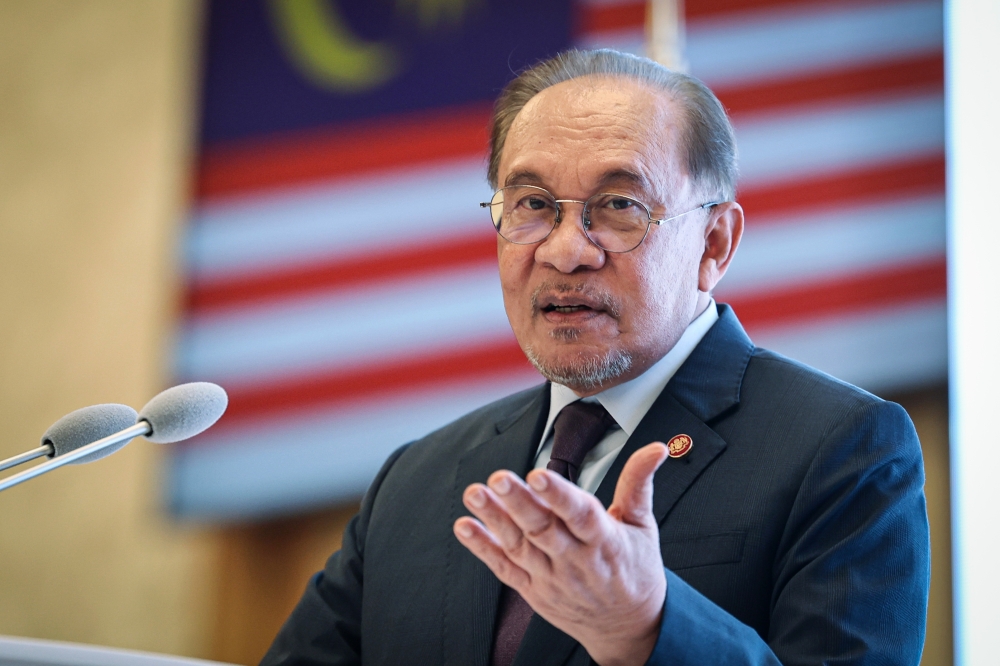
Prime Minister Datuk Seri Anwar Ibrahim publicly acknowledged the outpouring of support and prayers from citizens and colleagues who showed concern for his wellbeing, signalling his readiness to move forward with important parliamentary business. The gesture reflects the premium Anwar places on national unity and public confidence in his leadership during a period marked by significant institutional scrutiny and reform efforts within government bodies.
Anwar's appreciation comes ahead of a specially convened parliamentary session dedicated to examining the findings of the Royal Commission of Inquiry into Tabung Haji, the statutory body responsible for managing pilgrimage funds and investments for Malaysian Muslims intending to perform the Hajj. The timing of this parliamentary proceeding underscores the government's commitment to transparency and accountability in managing an institution that handles billions of ringgit in public and personal savings from millions of Malaysians.
The Tabung Haji inquiry represents one of several high-profile investigations launched into state institutions and governmental bodies during Anwar's administration, reflecting a broader agenda of institutional reform and combating mismanagement. The Royal Commission's examination of Tabung Haji operations has likely uncovered governance lapses, investment decisions, and management practices warranting parliamentary review and potential corrective measures. For Malaysian pilgrims and their families, the outcome of this inquiry carries profound implications, as Tabung Haji funds represent not merely financial investments but savings earmarked for one of Islam's most significant spiritual obligations.
The special parliamentary sitting signals that the findings are sufficiently substantial to warrant dedicated deliberation beyond routine legislative schedules. Such sessions typically indicate matters of national importance requiring collective parliamentary attention and potential legislative response. The involvement of the full chamber in discussing the RCI report demonstrates the government's recognition that Tabung Haji governance affects constituencies across the nation, transcending partisan political lines.
For Malaysian depositors and prospective pilgrims, clarity on institutional governance matters directly. The inquiry likely examined investment performance, fee structures, management accountability, and operational transparency—all factors influencing public trust in Tabung Haji's ability to safeguard and grow pilgrimage savings. Previous years have witnessed global economic volatility affecting investment returns, and Malaysian pilgrims' savings may have experienced fluctuations warranting institutional scrutiny and reform recommendations.
Anwar's personal expression of gratitude carries particular significance given the pressures associated with leading a coalition government while pursuing ambitious reform agendas. The prime minister has consistently emphasized the importance of institutional integrity and accountability in rebuilding public confidence in governance. The Tabung Haji inquiry exemplifies this commitment, regardless of political complexities surrounding the institution's management and the various stakeholders—including previous administrations—whose decisions may come under scrutiny.
Parliamentary review of the RCI report will likely encompass recommendations spanning governance structure reforms, management accountability mechanisms, investment policy adjustments, and operational improvements. Members across the political spectrum may voice perspectives on how Tabung Haji should evolve to better serve Malaysian pilgrims while ensuring prudent management of substantial financial resources. The debate may also touch on broader questions about how statutory bodies operate under government oversight and what accountability frameworks best protect public interests.
The special sitting also provides opportunity for parliament to address citizen concerns that may have emerged during the inquiry process. Public confidence in Tabung Haji affects not only current depositors but also younger Malaysians considering saving through the institution for future pilgrimage aspirations. Clear parliamentary endorsement of governance reforms, where warranted, can help restore institutional credibility and demonstrate that democratic institutions respond to evidence of mismanagement or systemic weakness.
Regionally, Malaysia's handling of high-profile institutional inquiries influences perceptions of governance maturity across Southeast Asia. Transparent investigation and parliamentary deliberation of findings demonstrate institutional accountability mechanisms functioning despite political pressures. The Tabung Haji case, involving an organization with primarily Muslim clientele managing religiously significant savings, also carries symbolic importance for demonstrating that Islamic financial institutions and faith-based statutory bodies are subject to the same rigorous accountability standards as secular entities.
Moving forward, the outcomes of parliamentary deliberation will likely shape Tabung Haji's operational framework for years ahead. Whether the RCI identifies systemic governance failures, management inefficiencies, or investment strategy shortcomings, parliament's response will signal the government's commitment to institutional reform. For Malaysia's seven million Tabung Haji depositors, the special sitting represents a critical juncture where legislative representatives can ensure the institution evolves to better serve pilgrims' interests while maintaining financial sustainability and prudent stewardship of accumulated savings. Anwar's acknowledgment of public support suggests he approaches these proceedings with awareness of their broader significance for institutional trust and public confidence in governance.

