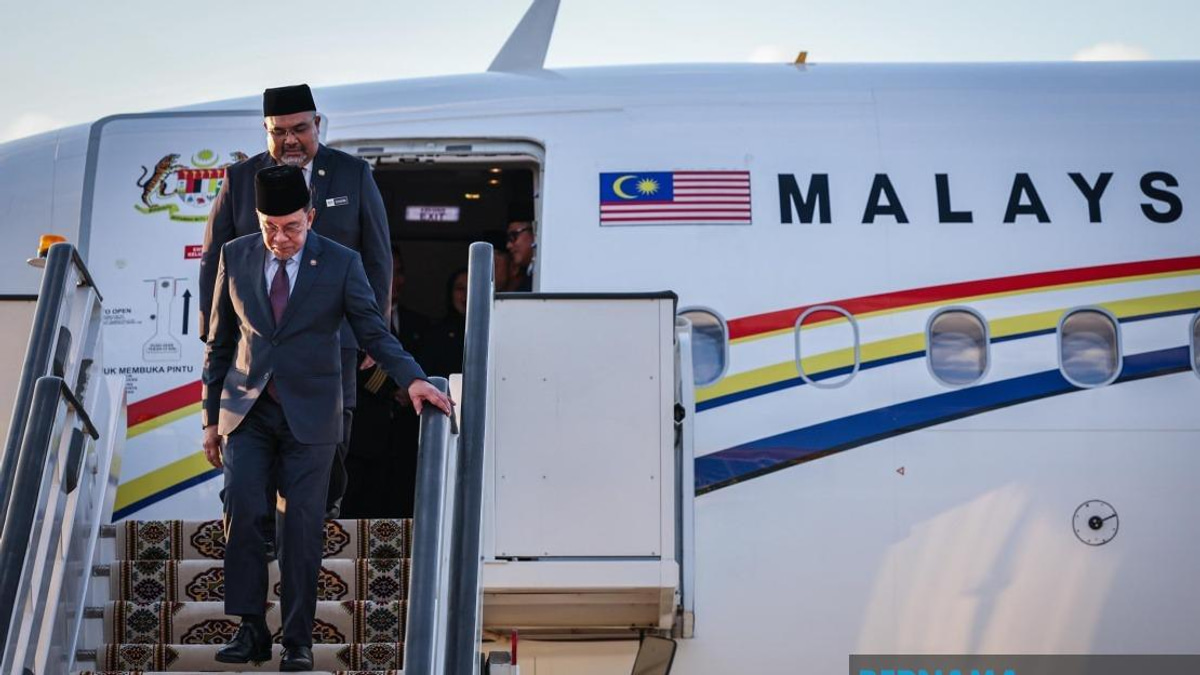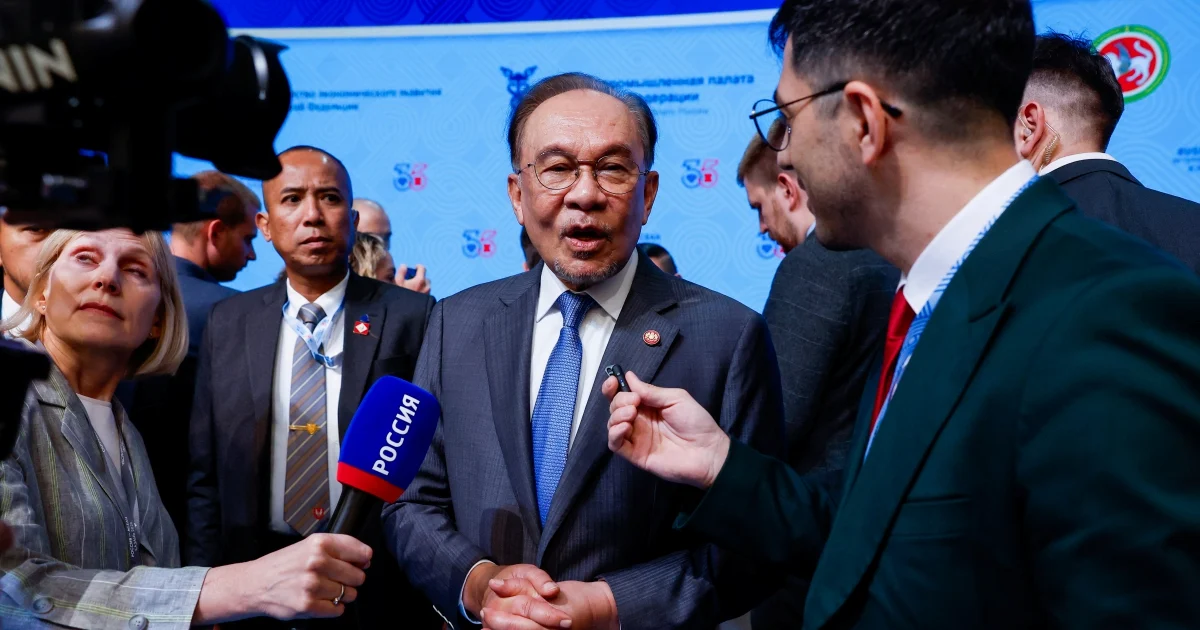
During a visit to Kazan, Prime Minister Datuk Seri Anwar Ibrahim underscored the multifaceted nature of bilateral relations by articulating his personal affinity for Russian cultural expressions, particularly music and literary works. His remarks reflect a nuanced understanding of international engagement that extends beyond traditional economic and political frameworks, positioning cultural exchange as an equally consequential instrument in building enduring diplomatic bonds between nations.
Anwar's comments resonate within the broader context of Malaysia's foreign policy objectives, which increasingly recognise soft power and cultural diplomacy as legitimate conduits for strengthening regional and international partnerships. The Prime Minister's willingness to openly discuss his appreciation for Russian artistic traditions signals Malaysia's commitment to fostering genuine people-to-people connections that transcend conventional statecraft. This approach aligns with contemporary diplomatic practice, where cultural initiatives frequently complement and reinforce economic and political cooperation.
The acknowledgement of cultural affinity carries particular significance in the Malaysian context, where the nation has historically positioned itself as a bridge between different civilisations and belief systems. By publicly engaging with Russian cultural forms, Anwar exemplifies the inclusive and pluralistic values that Malaysia seeks to project internationally. Such gestures, though seemingly modest, carry substantial symbolic weight in diplomatic circles, demonstrating receptiveness to diverse intellectual and artistic traditions.
Russian literature and music occupy distinctive positions within global culture, with works by authors such as Tolstoy, Dostoevsky, and Pushkin representing some of humanity's most profound explorations of philosophical and ethical questions. Similarly, Russian classical composition has profoundly influenced global musical development. Anwar's demonstrated familiarity with these traditions suggests engagement with sophisticated intellectual and aesthetic frameworks that transcend geographical and political boundaries.
The timing of such remarks during an official visit to Kazan, Russia's significant cultural and intellectual hub, appears deliberately calibrated. Kazan's historical role as a centre of multicultural exchange and its contemporary status as a repository of diverse artistic traditions make it an appropriate venue for articulating the importance of cultural diplomacy. The city's own synthesis of Eastern and Western influences provides practical illustration of how cultural exchange enriches societies.
For Malaysia, the emphasis on cultural cooperation with Russia opens potential avenues for educational and artistic partnerships that could benefit both nations. Malaysian institutions might explore collaborations with Russian counterparts in music, literature, and performing arts, creating opportunities for mutual learning and exposure. Such exchanges frequently generate reciprocal interest in each nation's cultural heritage, thereby strengthening the broader relationship.
Anwar's positioning of cultural exchange as equivalent in importance to economic cooperation challenges conventional hierarchies that often subordinate cultural initiatives to commercial and financial considerations. This perspective acknowledges that sustainable international relationships rest upon foundations of mutual understanding and respect, which cultural interaction facilitates more effectively than transactional economic arrangements alone. When populations of different nations develop familiarity with each other's artistic and intellectual traditions, governments find enhanced capacity to navigate disagreements and pursue cooperative ventures.
The statement also reflects evolving global dynamics wherein middle-power nations like Malaysia seek to diversify and deepen their international engagements. Rather than restricting relations to major economic partners, Malaysia demonstrates capacity to cultivate multidimensional partnerships with diverse nations. Russia, despite geopolitical complexities, represents a significant source of scientific, technical, and cultural knowledge that Malaysian society can access and benefit from through sustained engagement.
Within Southeast Asia, Malaysia's cultivation of cultural diplomacy with non-regional powers carries implications for how the region conducts its external relations. By demonstrating that cultural appreciation and diplomatic engagement can coexist with distinct geopolitical positions, Anwar provides a model that other regional leaders might emulate. This approach potentially contributes to a more sophisticated and nuanced regional foreign policy landscape.
The remarks also invite reflection upon how Malaysian cultural traditions might similarly appeal to Russian audiences. Malaysian literature, music, and performing arts represent distinctive contributions to global culture that deserve greater international exposure. Reciprocal appreciation of cultural forms encourages mutual respect and provides foundations for cooperation that transcend narrow national interest calculations.
Anwar's personal engagement with Russian cultural forms demonstrates that diplomatic leadership need not restrict itself to formal protocols and economic negotiations. Leaders who cultivate genuine intellectual and aesthetic interests outside narrowly defined professional boundaries often prove more effective diplomats, as they communicate authenticity and openness that counterparts recognise and reciprocate. Such personal dimensions frequently facilitate cooperation on substantive issues.
Looking forward, Malaysia might institutionalise cultural exchange mechanisms with Russia through dedicated funding for artistic collaborations, educational scholarships, and cultural festivals. Such investments typically generate returns that extend far beyond their immediate financial outlay, creating constituencies within both societies invested in bilateral relations. When ordinary citizens develop personal connections across borders through shared cultural interests, they become ambassadors for peaceful and productive international relations, reinforcing governmental diplomatic efforts through grassroots engagement.