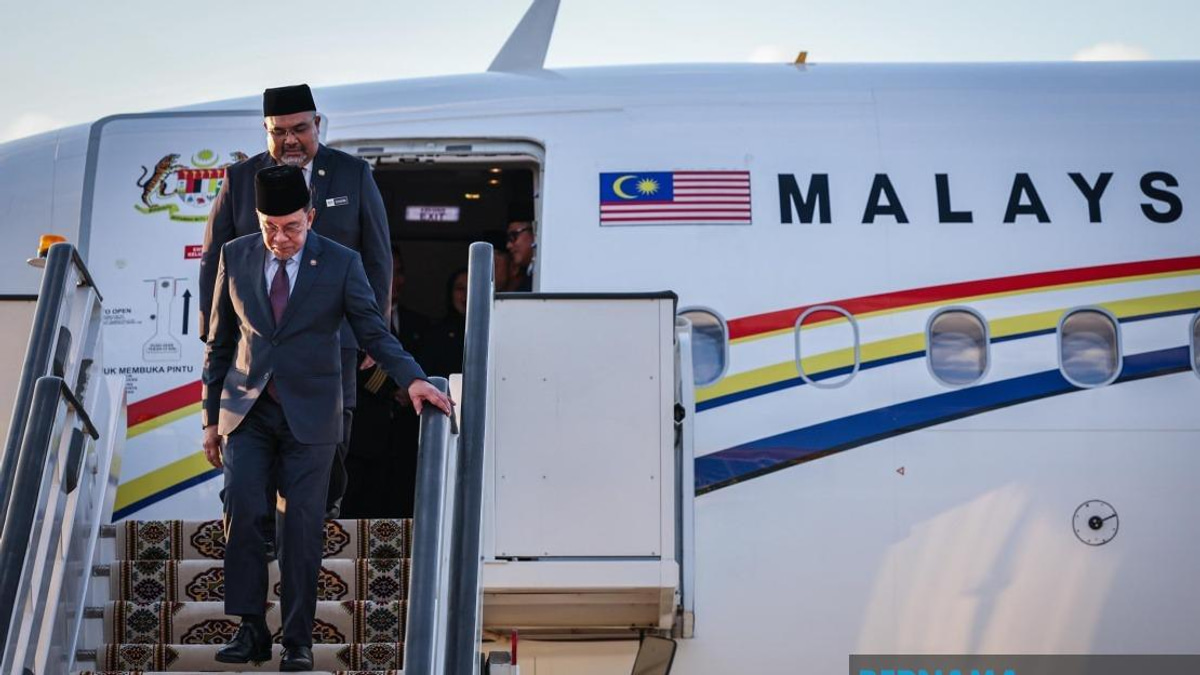
Prime Minister Datuk Seri Anwar Ibrahim has reaffirmed his support for television broadcasting anchored in ethical principles and intellectual substance, recognizing such content as increasingly vital as the media sector undergoes substantial transformation. His remarks came as TV AlHijrah celebrated its sixteenth year of operation, a milestone that underscores the channel's longevity in a crowded and competitive entertainment landscape dominated by commercial interests and sensationalism.
The Prime Minister's endorsement reflects a broader governmental recognition that broadcasters serving niche audiences with purpose-driven content fulfill a legitimate and important social function. In Malaysia's pluralistic society, where media consumption patterns have shifted dramatically towards digital platforms and streaming services, traditional terrestrial channels that maintain editorial integrity and cultural grounding face persistent headwinds. Yet Anwar's public acknowledgment suggests the administration views such outlets as counterbalancing forces to the fragmentary and often unmoderated nature of online discourse.
TV AlHijrah, launched in 2006, has positioned itself as a faith-oriented alternative to mainstream commercial television, offering programming that integrates Islamic principles with educational and family-oriented content. The channel targets viewers seeking alternatives to content perceived as culturally incompatible with their values, addressing a genuine market segment often overlooked by profit-maximizing broadcasters focused on mass demographics. This specialist positioning has allowed the channel to maintain a dedicated viewership despite limited marketing resources and the absence of premium entertainment offerings.
Anwar Ibrahim's recognition of values-based broadcasting carries particular significance given his historical advocacy for media pluralism and freedom of expression. His statements suggest the government does not view religiously-oriented programming as marginal or problematic, but rather as a legitimate contribution to Malaysia's diverse media ecosystem. This official support could encourage investment in similar ventures and demonstrate to commercial sponsors that financially viable audiences exist for programming built on principle rather than purely entertainment value.
The Malaysian media landscape has undergone profound changes in recent years, with traditional television viewership declining as younger audiences migrate to social media platforms, YouTube, and international streaming services. Within this context, TV AlHijrah's survival and continued operation represents an achievement, particularly given that Malaysian broadcasters compete globally against platforms with vastly superior production budgets and content libraries. The channel's persistence suggests either a genuinely loyal audience or sufficient institutional support to sustain operations beyond purely commercial metrics.
The government's positive framing of such broadcasting aligns with broader regional trends in Southeast Asia, where faith-based and values-oriented media has gained traction as alternative media outlets. Similar channels operate successfully across Indonesia, the Philippines, and other predominantly Muslim nations, indicating that demand for programming aligned with religious and ethical frameworks extends beyond Malaysia. This regional context positions Malaysian channels like TV AlHijrah as potential contributors to a growing ecosystem of purpose-driven media throughout Southeast Asia.
However, the role of values-based broadcasting raises important questions about editorial independence and the potential for institutional capture. When government officials explicitly endorse particular channels, concerns arise regarding whether such approval implies expectations of favourable coverage or editorial restraint on sensitive topics. The balance between supporting diverse voices and maintaining journalistic independence remains contentious in Malaysian media governance, where regulatory bodies have faced criticism for inconsistent enforcement of broadcasting standards.
TV AlHijrah's programming strategy reflects calculated decisions about target audiences and content categories that differentiate it from mainstream competitors. By explicitly embracing a values framework, the channel accepts limitations on certain content categories while building competitive advantage through trust and community alignment. This approach contrasts sharply with commercial broadcasters that pursue demographic breadth, though it also creates vulnerabilities should audience preferences shift or alternative platforms emerge offering similar content with higher production values.
The Prime Minister's remarks implicitly acknowledge that media plurality extends beyond political diversity into value systems and cultural frameworks. Malaysian society encompasses multiple overlapping communities with distinct informational and cultural needs, yet most media outlets cater to either mainstream audiences or urban elites. Channels serving specific communities, whether faith-based, ethnic, or language-defined, provide representation and content otherwise unavailable, strengthening overall media pluralism even if individual channels operate at smaller scales.
Looking forward, TV AlHijrah's viability depends upon navigating several concurrent challenges: sustaining audience loyalty amid overwhelming competition from digital alternatives, maintaining financial sustainability on limited commercial revenues, adapting content to changing viewer preferences across generations, and preserving editorial integrity while remaining responsive to both audience values and public expectations. The government's continued support and positive messaging regarding values-based broadcasting could influence regulatory decisions affecting licensing, frequency allocations, and advertising standards, though any direct intervention raises broader questions about media independence.
Anwar Ibrahim's endorsement represents measured official recognition of diverse media voices within Malaysia's broadcasting ecosystem. As traditional television continues its slow decline globally, the case of TV AlHijrah illustrates that niche channels serving specific value-based audiences can maintain relevance and operational viability, provided they offer genuine engagement with their target communities rather than purely exploitative content. The channel's sixteen-year presence demonstrates that Malaysian audiences do support alternatives to mainstream programming, validating the government's acknowledgment that values-grounded broadcasting serves important social functions beyond commercial entertainment metrics.