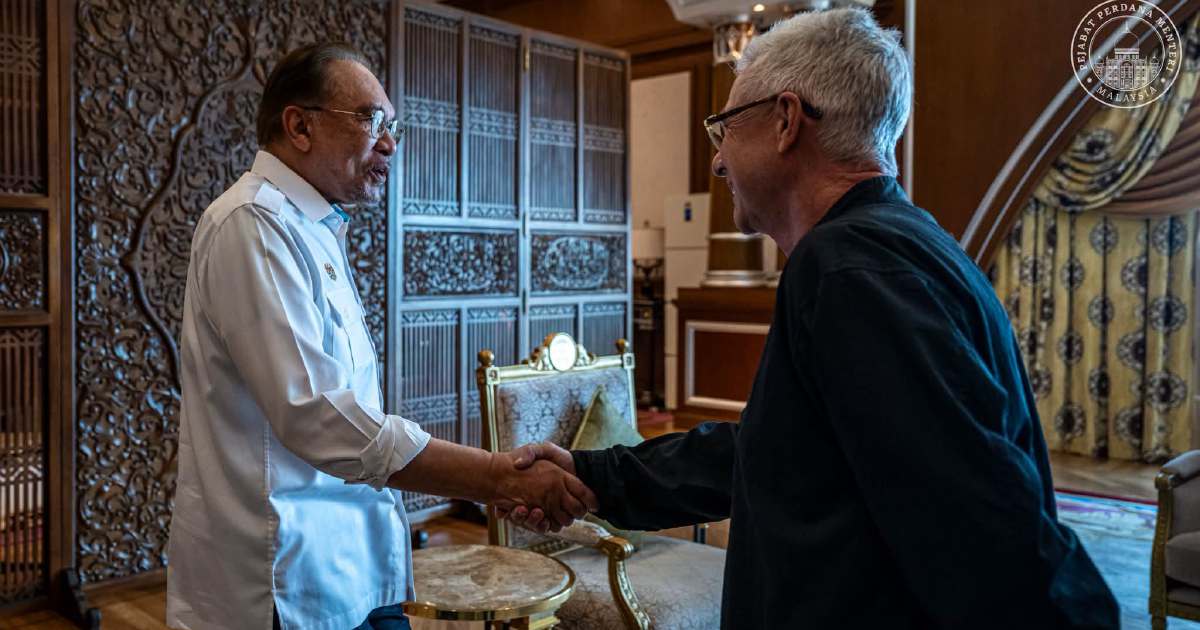
Prime Minister Datuk Seri Anwar Ibrahim has engaged directly with Singapore's Formula 1 leadership to acquire operational expertise for Malaysia's October Grand Prix, signalling the government's commitment to elevating the nation's motorsports credentials on the global stage. The meeting between Anwar and Michael Roche, executive director of the Singapore Grand Prix, occurred against the backdrop of Malaysia's preparations for hosting the Formula 1 Gulf Air Bahrain Grand Prix at the Sepang International Circuit, a fixture that underscores Kuala Lumpur's ambitions to maintain its prominence in international motorsport.
The bilateral exchange reflects a pragmatic approach to event management, with Malaysia seeking to benefit from Singapore's extensive track record in organising one of the world's most challenging and prestigious Formula 1 races. The Marina Bay circuit has become synonymous with operational excellence, drawing hundreds of thousands of spectators and generating substantial economic returns since its inaugural race in 2008. By consulting with Singapore's experienced team, Malaysia aims to identify transferable insights that could enhance its own Grand Prix experience, from crowd management and safety protocols to sponsor engagement and broadcast coordination.
Sepang International Circuit, located approximately 25 kilometres south of central Kuala Lumpur, has established itself as a critical venue in Malaysia's sporting calendar. The October event represents a significant opportunity to demonstrate the nation's capacity to host world-class motorsport, particularly as Malaysia seeks to position itself as a premier destination for international sporting spectacles. The Prime Minister's personal involvement in preparations underscores the political priority attached to the race, suggesting that the government views the Grand Prix not merely as a sporting occasion but as a broader platform for national economic and promotional benefits.
Regional competition in hosting Formula 1 events has intensified considerably in recent years, with multiple Southeast Asian cities vying for the prestige and economic advantages that accompany such races. Singapore's successful model provides valuable lessons in infrastructure utilisation, tourism marketing, and entertainment value creation. The Marina Bay circuit's night-race format, for instance, has become a signature feature that attracts global audiences and generates distinctive broadcast appeal that daytime racing cannot replicate. Malaysia's engagement with this expertise suggests a willingness to learn from regional competitors while maintaining its own operational strengths and unique venues.
The Formula 1 Gulf Air Bahrain Grand Prix designation for the Sepang race indicates continued partnership arrangements with international sponsors and Bahrain's established Formula 1 brand associations. These multi-jurisdictional arrangements have become increasingly common in modern motorsport, where licensing agreements and promotional partnerships extend beyond the physical venue. For Malaysia, such arrangements provide financial support and marketing amplification that strengthen the event's competitive positioning within the global Formula 1 calendar.
Beyond the immediate logistics of race organisation, Malaysia's Formula 1 hosting capabilities carry broader implications for national tourism and international perceptions. A successful October Grand Prix could strengthen Malaysia's reputation as an event management destination capable of executing complex, high-stakes international competitions. This capability translates into confidence from other global sporting bodies considering Southeast Asian venues for future competitions, from major athletics championships to esports tournaments and musical festivals featuring international talent.
The economic impact of Formula 1 hosting extends significantly beyond race week itself. Infrastructure improvements, hospitality development, and enhanced transportation networks built for the Grand Prix typically generate long-term benefits that continue attracting visitors and investment. Sepang's existing world-class facilities, including the circuit's multiple configurations and associated hotel and entertainment infrastructure, provide a strong foundation upon which additional enhancements can build for October's event.
Anwar's engagement with Roche also reflects Malaysia's broader strategic positioning in attracting premium international events during a period when the nation is actively promoting itself as a Southeast Asian hub for business, tourism, and cultural activities. The consultation process demonstrates that Malaysian leadership recognises that excellence in event execution requires engagement with proven expertise, a pragmatic stance that contrasts with approaches that might prioritise purely domestic solutions.
The October Formula 1 race at Sepang will occur during Malaysia's peak tourism season, potentially capturing visitor demand that extends beyond motorsport enthusiasts to include broader international travellers. The coordinated approach to event preparation, incorporating insights from Singapore's successful formula while adapting to Malaysia's unique characteristics and assets, suggests that October's Grand Prix could establish a template for future large-scale events in the country.
For Malaysia's sporting sector, the Sepang Formula 1 Grand Prix represents a convergence of established motorsport heritage, modern venue capabilities, and sustained government commitment to hosting world-class competitions. The consultation with Singapore's leadership underscores that maintaining competitiveness in hosting premium international events requires continuous engagement with global best practices, adaptation to evolving spectator expectations, and investment in the operational excellence that transforms a race weekend into a memorable national occasion.

