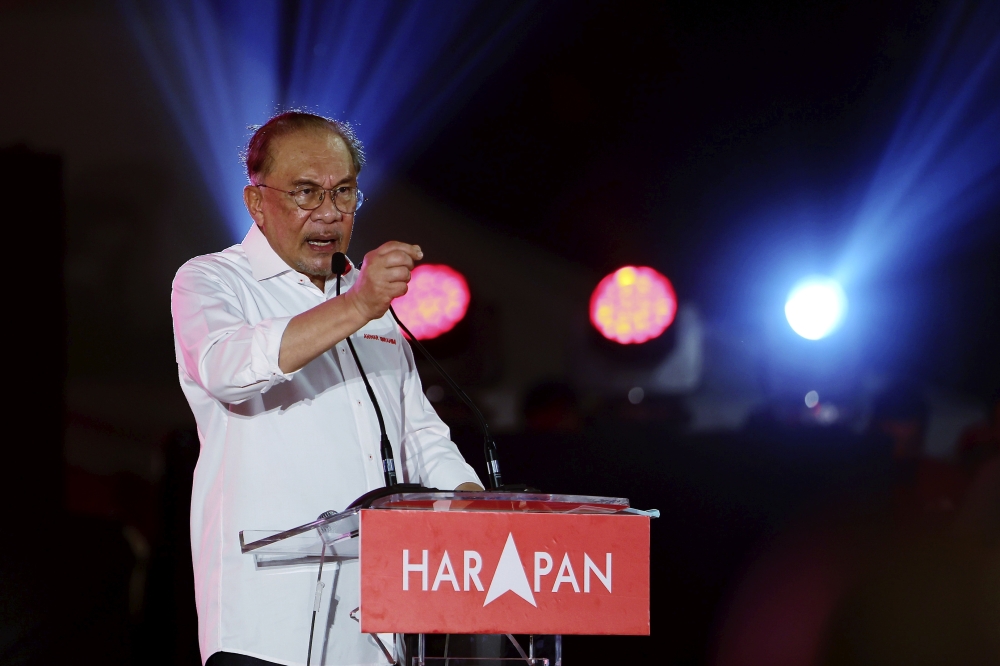
Prime Minister Datuk Seri Anwar Ibrahim is set to undertake an extensive campaign sweep across Negeri Sembilan on July 22, with four scheduled engagements that signal an intensified political push in the state. The multi-stop tour represents the first coordinated campaign effort by the Prime Minister in Negeri Sembilan, underscoring the federal government's strategic focus on consolidating support in the heartland state ahead of potential electoral contests.
The campaign schedule reflects a carefully choreographed approach to political mobilisation, with events organised to reach different demographic segments and geographic constituencies within Negeri Sembilan. This tactical deployment suggests the administration views the state as a battleground where electoral mathematics remain contested, despite the ruling coalition's federal dominance. The timing of the tour also coincides with broader political manoeuvring at both state and federal levels, where coalitions have remained fluid and local power dynamics continue to reshape political alignments.
Negeri Sembilan holds particular significance within Malaysia's political landscape due to its position as a swing state with a history of competitive elections. The state's mixed urban-rural demographic profile and economic diversity make it a microcosm of broader Malaysian voting patterns. Local issues such as infrastructure development, employment opportunities, and governance concerns resonate strongly with voters here, making it essential for any administration seeking to maintain political momentum and legislative support. Anwar's personal engagement through this campaign tour sends a clear message about the priority assigned to the state by his administration.
The four-event format allows the Prime Minister to address multiple constituencies and communities in succession, maximising media coverage and grassroots exposure. Such tours typically combine public rallies, community engagement sessions, and meet-and-greet interactions with local party representatives and community leaders. This ground-level political work remains crucial in Malaysian politics, where personal connections and direct communication between political leaders and constituents continue to influence electoral outcomes significantly.
The campaign initiative also carries implications for the ruling coalition's broader strategic positioning. By commencing a focused campaign tour in Negeri Sembilan, the administration signals its readiness to contest aggressively for electoral support rather than relying solely on incumbent advantages. This proactive stance contrasts with more passive political approaches and demonstrates confidence in the coalition's ability to mobilise voters effectively at the grassroots level.
From a regional perspective, Negeri Sembilan's political trajectory influences the stability of the broader Klang Valley political economy, given its proximity to Selangor and interconnected infrastructure networks. Electoral outcomes in the state can have ripple effects on neighbouring constituencies and affect the overall political balance within the Selangor region, one of Malaysia's most economically significant states. Therefore, Anwar's investment of political capital in Negeri Sembilan carries significance beyond state-level politics.
The timing of this campaign tour also reflects ongoing political calculations regarding when elections might be called. While no official announcement of election dates has been made, such high-profile campaign launches typically indicate that political leadership is preparing for electoral contests within a foreseeable timeframe. The visible political activity by the Prime Minister suggests the administration is building momentum and organisational readiness for potential balloting in coming months.
Local party structures and grassroots organisations will be crucial to the success of this campaign tour. Their ability to mobilise supporters, coordinate logistics, and translate the Prime Minister's messaging into local-level political advantage determines whether such tours translate into genuine electoral impact. Negeri Sembilan's political organisations have demonstrated varying levels of capacity and cohesion, making the coordination challenge significant for federal campaign teams.
The opposition will likely respond with competing campaign activities and messaging efforts designed to counter the administration's narrative and maintain their own political presence in the state. Malaysian electoral politics have become increasingly competitive at the state level, with opposition coalitions demonstrating growing sophistication in campaign organisation and voter engagement strategies. The contest for Negeri Sembilan will therefore be characterised by intensive political activity from multiple sides.
For Malaysian voters in Negeri Sembilan, such campaigns offer opportunities to engage directly with political leadership and articulate local concerns. However, they also reflect broader patterns of personalised politics that characterise Malaysian democracy, where leadership visibility and direct engagement remain important factors in political decision-making. The substantive policy debates underlying these campaigns may receive less attention than the spectacle of the tour itself.
Economically, sustained political uncertainty and ongoing campaign cycles can affect investor confidence and business planning horizons. Negeri Sembilan's manufacturing and services sectors benefit from political stability, and prolonged electoral campaigning, if it persists over extended periods, may influence business investment decisions and hiring patterns in the state.
The success of Anwar's Negeri Sembilan campaign tour will be measured not merely by immediate media coverage but by whether it translates into strengthened grassroots organisation, enhanced voter engagement, and ultimately improved electoral performance when polls are held. The four events provide a platform for political messaging, but converting that visibility into sustained political advantage requires deeper organisational work between campaign cycles. How effectively the administration and its coalition partners consolidate gains from such tours will largely determine their electoral prospects in this strategically important state.

