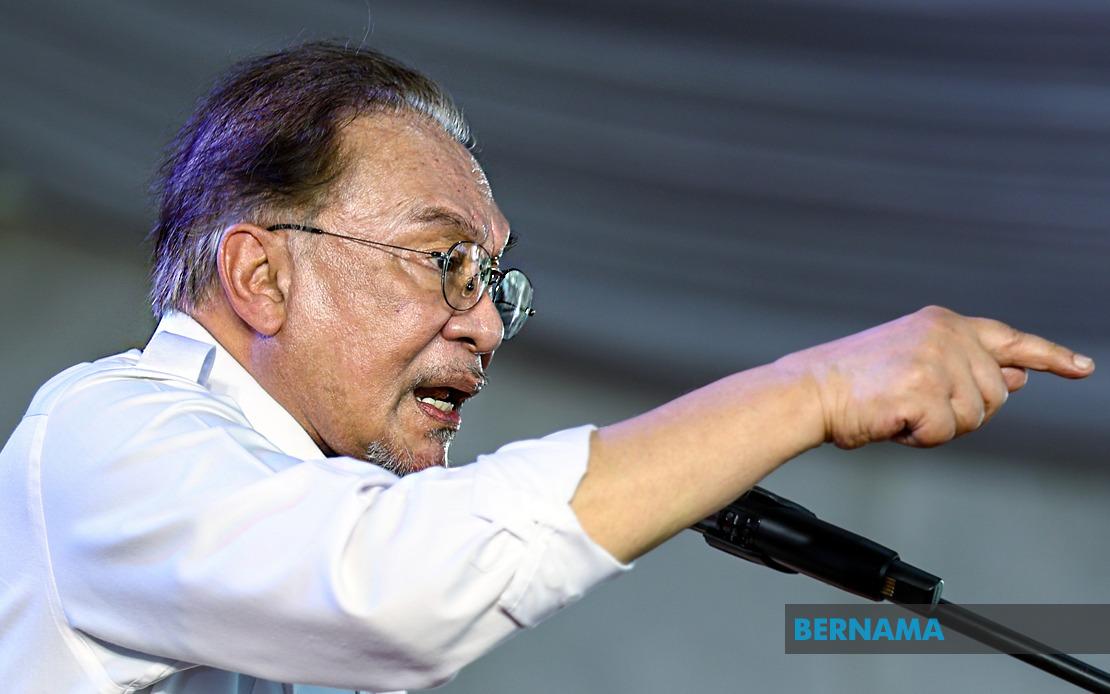
Pakatan Harapan chairman Datuk Seri Anwar Ibrahim ramped up the coalition's campaign efforts in Johor with an ambitious one-day tour spanning eight constituencies in the state's northern region. The extensive schedule demonstrated PH's determination to consolidate voter support during the second week of campaigning, with Anwar personally engaging communities across diverse constituencies to reinforce the coalition's electoral message.
The 16th Johor state election has emerged as a significant battleground for Malaysian politics, drawing the attention of national leadership at the highest levels. By committing an entire day to door-to-door campaigning and community engagement, Anwar signalled the importance PH places on reclaiming influence in one of the country's most populous states. The constituencies targeted—Layang-Layang, Senggarang, Semerah, Bukit Naning, Pemanis, Gambir, Serom, and Palong Timur—represent diverse voter demographics and geographic spread, suggesting a strategic approach to addressing varied community concerns.
Anwar's itinerary began early in the morning with a casual breakfast engagement at Warung Pak Din in Kampung Sahri, an approach that mirrors contemporary political campaigns emphasising informal, accessible interaction rather than formal rallies. The "PMX Santai Sarapan Bersama Masyarakat" format—translating to an informal breakfast session—reflects a deliberate strategy to humanise leadership and demonstrate willingness to engage ordinary citizens in everyday settings. This style of campaigning, increasingly popular across Southeast Asia, attempts to bridge the distance between political elites and grassroots voters.
Throughout the day, Anwar attended multiple community feasts, volunteer launches, and meet-and-greet sessions, maintaining momentum from late morning through to 9 pm. The "Kenduri Rakyat" community feast format carries particular resonance in Malaysian political culture, where shared meals and collective celebration form integral parts of community life. By participating in these traditionally significant gatherings, Anwar sought to position PH as embedded within local communities rather than distant from everyday concerns.
The afternoon programme included the "Jelajah Halapan Felda Bersama PMX" initiative at Dataran Putra Palong Timur 2, indicating specific outreach to Federal Land Development Authority settlers—a demographic group with distinct economic interests and historical political patterns. FELDA communities have traditionally held considerable electoral significance in Johor and nationwide, making targeted engagement with these voters strategically important for any coalition seeking state power.
Pakatan Harapan is contesting all 56 state seats with a carefully balanced distribution of candidates across its three primary components: PKR fielding 20 candidates, Amanah 19, and DAP 17. This allocation reflects ongoing negotiations within the coalition regarding resource distribution and seat contests, with each party securing representation commensurate with perceived contributions and voter bases. The comprehensive candidacy demonstrates PH's confidence in mounting a competitive challenge across the entire electoral landscape, rather than concentrating resources in specific stronghold areas.
The broader electoral contest features 172 candidates competing across all state seats, indicating robust multi-party participation beyond the main coalitions. The competitive field suggests that individual candidates, smaller parties, and independent contestants continue playing meaningful roles in shaping electoral outcomes, particularly in constituencies where major party support may be fragmented or where local issues dominate national political considerations.
Anwar's intensive campaign schedule reflects the critical importance Malaysian political leaders attach to Johor state politics. As the second-largest state by population and a region with historically diverse political allegiances, Johor elections often serve as indicators of broader national sentiment. Success or failure in Johor frequently influences momentum heading into subsequent electoral contests, making the July 11 polling day consequential for PH's confidence and strategic positioning.
The campaign's timing during the second week of the official campaign period suggests PH strategy to establish early momentum before the final push toward polling day. Early voting on July 7 provides an additional mobile support gathering opportunity, potentially allowing campaigns to consolidate undecided voters several days before the main election. Anwar's continued presence in the field demonstrates his personal investment in securing favorable outcomes, signalling to PH members and supporters the coalition's seriousness regarding this particular state contest.
For Malaysian voters considering their electoral choices, Anwar's visible campaign presence offers opportunities to assess the coalition's capacity for sustained engagement and resource commitment. Conversely, his absence from constituencies or reduced campaigning would signal lower priority allocation. The intensity of campaign activity often influences voter perception of candidate viability and coalition competence, particularly in constituencies where local issues dominate national considerations.
The Johor state election occurs within broader regional context where Southeast Asian democracies increasingly feature contested electoral landscapes and shifting voter alignments. Malaysian electoral patterns demonstrate growing voter independence from traditional party loyalties, requiring candidates and parties to engage more intensively with communities rather than relying on inherited support bases. Anwar's grassroots campaign approach reflects adaptation to these evolving voter behaviors.
As the election approaches with polling day set for July 11, the intensity of PH's campaign efforts across Johor's diverse constituencies will likely increase further. The coalition's explicit strategy of contesting all 56 seats, combined with visible high-level leadership engagement, demonstrates confidence in challenging incumbent authorities. However, electoral outcomes remain uncertain, dependent on localised factors, community concerns, and how effectively competing messages resonate with voters across different demographic groups and geographic areas.

