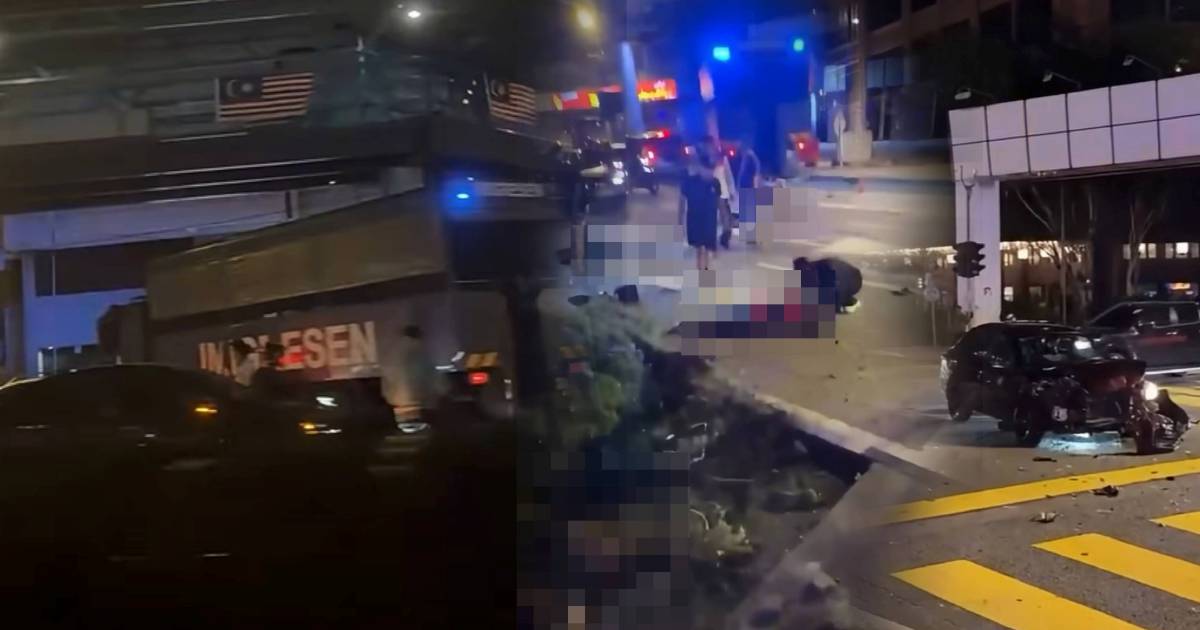
Prime Minister Datuk Seri Anwar Ibrahim has directed the Immigration Department to launch an immediate and comprehensive investigation into a deadly road accident involving one of its vehicles on Jalan Sultan Ismail in central Kuala Lumpur earlier today. The directive underscores the government's commitment to determining the precise circumstances surrounding the incident and establishing accountability for the lives lost.
The crash, which occurred in the early hours on one of Kuala Lumpur's major thoroughfares, has raised fresh concerns about road safety standards for government vehicle operations across the country. Jalan Sultan Ismail, a busy commercial and transportation corridor in the heart of the capital, regularly carries substantial traffic volumes, making accidents at any hour a matter of public concern. The timing of the incident, occurring in the early morning period, suggests visibility and road conditions may feature prominently in the investigation's scope.
The involvement of an Immigration Department vehicle in this fatal collision carries particular significance given the agency's operational scale and the frequency with which its personnel operate vehicles throughout the nation. The department manages numerous vehicle movements daily as part of its border control, deportation, and administrative functions across Malaysia. This incident therefore touches on broader questions about vehicle maintenance protocols, driver training standards, and operational safety measures within government agencies that manage large vehicle fleets.
Anwar's intervention at the highest executive level demonstrates the gravity with which the government treats loss of life in transport-related incidents. The Prime Minister's instruction for both immediacy and thoroughness in the investigation suggests officials must balance the need for swift findings with comprehensive fact-gathering. Such investigations typically examine multiple dimensions including mechanical factors, human error, environmental conditions, and adherence to traffic regulations and safety procedures.
The Immigration Department will likely coordinate with traffic authorities and relevant enforcement agencies to reconstruct the sequence of events leading to the collision. Road accident investigations of this magnitude require examination of vehicle condition, driver records and training history, witness statements, and potentially CCTV footage from nearby commercial establishments. The comprehensive approach mandated by the Prime Minister may also encompass a broader review of whether systemic safety gaps exist within the department's vehicle management framework.
Fatalities involving government vehicles attract heightened public and political scrutiny, particularly when high-profile agencies like Immigration are involved. The incident raises questions about whether sufficient resources are allocated to vehicle maintenance schedules, whether drivers receive regular refresher training on safety protocols, and whether adequate rest periods are enforced for personnel operating department vehicles on extended assignments. These broader operational questions will likely inform not only the specific investigation but also potential policy adjustments across government agencies.
The location of the accident on Jalan Sultan Ismail, a route frequently used by government vehicles navigating between administrative centers and operational facilities, adds another investigative layer. Authorities will need to examine whether the specific road conditions at that location, time of day traffic patterns, or documented history of similar incidents on this route contributed to the collision. This localized analysis can inform targeted safety improvements along high-risk corridors used by government fleets.
For the Immigration Department, this incident arrives amid ongoing operational pressures managing border security and managing the department's extensive vehicle fleet across dozens of offices nationwide. The investigation will likely prompt a departmental review of preventive maintenance schedules, driver vetting processes, and whether fatigue management protocols are adequate for personnel working irregular shifts. Such internal audits can serve as early warning systems for identifying systemic vulnerabilities before they result in further tragedies.
The investigation's findings will have implications extending beyond the immediate incident. Other government agencies managing substantial vehicle fleets—including the police, customs, and various enforcement departments—may face pressure to conduct parallel reviews of their own safety standards. A comprehensive government-wide assessment of vehicle operation protocols could emerge if the Immigration Department investigation reveals systemic weaknesses rather than isolated factors.
Public safety concerns surrounding this incident reflect broader national conversations about road safety and accident prevention on Malaysian highways and urban roads. The government has previously launched various initiatives addressing traffic fatalities, and this incident may prompt renewed focus on ensuring that even government agencies maintain exemplary compliance with safety standards. The outcome of the investigation may yield recommendations that ripple across the civil service and transport sector.
Anwar's hands-on directive also signals that accountability will be pursued transparently. The public expects not merely findings but demonstrated action addressing any factors the investigation uncovers. Whether those factors relate to individual responsibility, procedural gaps, or equipment failures, the government's credibility depends on converting investigative conclusions into concrete corrective measures.

