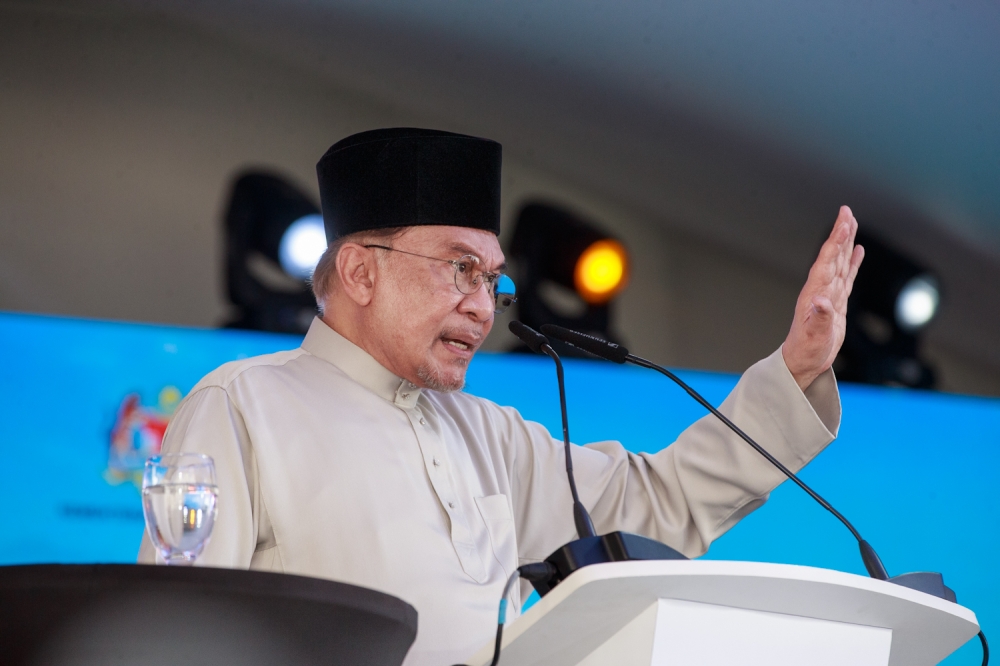
Prime Minister Datuk Seri Anwar Ibrahim has directed the Chief Secretary to the Government to undertake a thorough examination of the civil service promotion framework, responding to growing concerns about lengthy delays that have left officers languishing in the same positions for extended periods. The directive represents an attempt to address a structural problem that has increasingly become a source of frustration within the Malaysian bureaucracy, where advancement opportunities have become constrained by what officials describe as an inefficient and sluggish system.
The gravity of the situation became apparent when officials revealed that some officers have been unable to progress professionally for as long as eight years, a timeframe that significantly exceeds reasonable expectations for career development within most modern civil services. This stagnation has knock-on effects that extend beyond individual career prospects, creating bottlenecks throughout the administrative hierarchy that can undermine organisational effectiveness and departmental performance. The extended wait periods also raise questions about how government agencies are managing their human resources and whether current promotion criteria and timelines remain fit for purpose in contemporary governance.
Anwar's intervention signals a recognition that the civil service faces a talent retention challenge. When capable officers perceive limited prospects for career progression, the risk of losing experienced personnel to the private sector or international opportunities increases substantially. Malaysia's civil service requires its most capable administrators to remain engaged and motivated, particularly given the complexity of modern governance challenges ranging from economic development to digital transformation and climate adaptation. The psychological impact of prolonged stagnation cannot be understated—officers who feel undervalued and see no clear pathway to advancement may disengage from their roles, affecting service delivery and innovation within government.
The existing promotion system appears to suffer from structural inefficiencies that have accumulated over time without systematic review or modernisation. Multiple layers of approval, outdated criteria for advancement, and inflexible establishment structures likely contribute to the bottlenecks. Different agencies may operate under varying promotion frameworks, creating inconsistency across the civil service. These institutional complications become particularly problematic when coupled with budget constraints and hiring freezes that limit the creation of higher-level positions, effectively capping the number of advancement opportunities available regardless of officer qualifications.
For Malaysian readers concerned with good governance and public administration efficiency, this review carries significant implications. A more streamlined promotion system could enhance the quality of government service by ensuring that talented administrators progress based on merit and performance rather than tenure and bureaucratic process. This aligns with broader reform agendas that recognise the civil service as fundamental to achieving development objectives and addressing national priorities. Several Southeast Asian neighbours have undertaken similar reforms, some with demonstrated success in improving both employee satisfaction and administrative effectiveness.
The eight-year wait period cited by the Prime Minister represents an extreme outlier case, yet it illuminates broader systemic dysfunction. Even officers facing three to five-year waits experience outcomes that far exceed international norms. Most developed nations' civil services operate with promotion cycles measured in years rather than half-decades, allowing officers to advance through multiple grades during their career. The Malaysian system's glacial pace may inadvertently encourage talented individuals to seek advancement through lateral movements to different agencies or sectors, fragmenting expertise and institutional knowledge.
Anwar's directive to the Chief Secretary suggests the government recognises that incremental adjustments will prove insufficient. A comprehensive review likely encompasses multiple dimensions: clarifying promotion criteria and transparent assessment methodologies, establishing realistic timelines aligned with performance outcomes, identifying and eliminating procedural redundancies, and potentially restructuring establishment classifications to create more advancement pathways. The review must also address whether current assessment mechanisms adequately measure officer capability and readiness for higher responsibilities, or whether existing evaluation processes reflect outdated competency frameworks.
The business case for reform extends to fiscal considerations as well. Prolonged stagnation in lower grades may burden the salary structure inefficiently, while simultaneously denying promotions to officers who could assume higher-value roles and greater responsibilities. Investment in a more efficient promotion system could yield productivity gains that offset implementation costs. Additionally, improving morale and retention prospects among civil servants represents an indirect but significant dividend in terms of reduced recruitment and training expenses.
Implementing this review will require sustained political attention and coordination across multiple government agencies with varying interests and established practices. The Chief Secretary's office will need to engage with agencies to understand specific bottlenecks within their structures while identifying opportunities for standardisation and efficiency gains across the service. Officers themselves represent a crucial constituency whose input regarding barriers to advancement should inform the reform process, yet such consultation mechanisms may need to be established or strengthened.
The timeline for completing this review and implementing recommendations remains unclear, yet the urgency appears evident from the Prime Minister's direct involvement. For the hundreds or potentially thousands of officers currently experiencing extended waits, timely action could mean the difference between renewed professional confidence or continued frustration. Beyond individual career concerns, the broader significance lies in whether Malaysia's civil service can evolve its systems to match the demands of modern governance, maintain institutional capability, and retain the talent required to execute government policy effectively across diverse economic and social domains.

