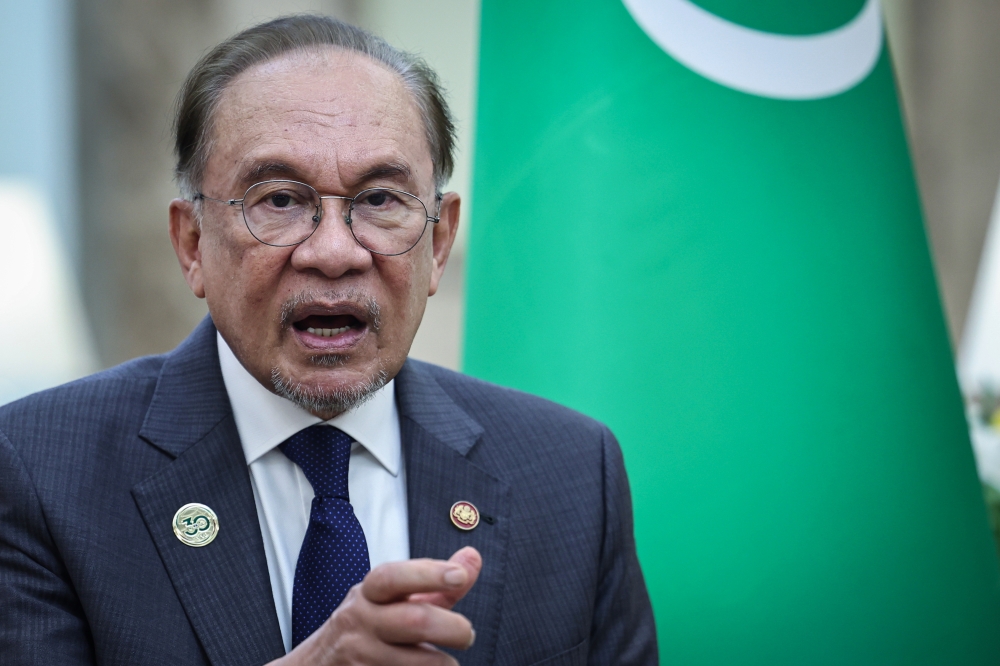
Prime Minister Datuk Seri Anwar Ibrahim has paid tribute to the late Professor John L. Esposito, marking the passing of one of the world's most influential scholars of Islam and Muslim civilisation. In a statement released on July 16, Anwar reflected on Esposito's substantial contributions to fostering dialogue and mutual comprehension between the Islamic world and the West, describing him as a steadfast advocate for Muslims across the globe.
Esposito, who spent much of his academic career examining the intersection of Islam and international relations, became widely recognised as a bridge-builder between disparate cultures and worldviews. His prolific writings and teaching shaped how generations of Western policymakers, students, and the general public understood Islamic history, theology, and contemporary Muslim societies. Through numerous books and scholarly articles, he consistently challenged stereotypes and presented nuanced perspectives on complex issues affecting the Muslim world, earning respect from both academic circles and political leadership in Muslim-majority nations.
The Prime Minister's remarks underscore Malaysia's broader diplomatic philosophy of engaging constructively with international academics and thought leaders who demonstrate genuine commitment to understanding Islam beyond caricature or prejudice. Anwar's public acknowledgment serves as a reminder that Malaysia values those foreign intellectuals who contribute meaningfully to cross-cultural understanding, particularly at a time when religious discourse often becomes polarised and politicised across the globe.
Esposito's career spanned several decades, during which he held prestigious academic positions and founded research institutions dedicated to Islamic studies. His work frequently examined contemporary issues affecting Muslim communities—from governance and democratisation to extremism and minority rights—offering perspectives that balanced scholarly rigour with practical relevance to real-world challenges. His books became standard references in university curricula worldwide, introducing countless students to sophisticated analysis of Islam beyond the narrow framing often presented in mainstream media.
The scholar's approach gained particular significance in the post-9/11 era, when misinformation about Islam proliferated in Western media and policy circles. Esposito consistently advocated for historical accuracy and contextual understanding, arguing that blanket generalisations about Muslims or Islamic civilisation served neither scholarly integrity nor constructive international relations. His willingness to engage with Muslim-majority governments and civil society organisations demonstrated a commitment to dialogue rather than mere academic distance.
For Malaysia specifically, scholars like Esposito represent valuable partners in an interconnected world where perceptions of Islam shape international relationships and economic partnerships. As a Muslim-majority nation with significant diplomatic and economic interests, Malaysia benefits from Western intellectuals who present Islam accurately and respectfully to their audiences. Esposito's legacy contributes to creating intellectual space for more sophisticated conversations about faith, politics, and modernity in global forums.
Anwar's tribute also reflects the Malaysian government's emphasis on interfaith dialogue and international cooperation. Throughout his tenure as Prime Minister, Anwar has advocated for greater engagement between Malaysia and Western nations on issues of mutual concern, grounded in mutual respect and accurate understanding. Scholars like Esposito, who dedicated their professional lives to building such understanding, align with this diplomatic vision.
The passing of influential academics who have championed nuanced understanding of Islam leaves a gap in international intellectual discourse. As geopolitical tensions persist and religious polarisation continues in various parts of the world, the contributions of scholars committed to scholarly accuracy and cross-cultural empathy become increasingly valuable. Esposito's death marks the end of an era in which a respected Western academic consistently advocated for the dignity and complexity of Muslim societies.
Esposito's influence extended beyond academia into practical policy discussions, where his research informed debates on security, human rights, and development in Muslim-majority regions. His insistence on grounding analysis in historical fact and avoiding simplistic narratives provided policymakers with more sophisticated frameworks for understanding contemporary challenges. This practical relevance made him particularly respected among government leaders in Muslim countries, including Malaysia, who recognised the importance of accurate external perception.
The Malaysian Prime Minister's public mourning acknowledges not only Esposito's scholarly achievements but also his personal commitment to defending Muslims against prejudice and misrepresentation. Such recognition from political leadership in the Muslim world serves to preserve the memory of those who dedicated their intellectual labour to promoting understanding and justice across religious and cultural divides. Anwar's condolences signal Malaysia's continued valuation of international partnerships grounded in genuine comprehension and respect.
Looking forward, Esposito's legacy will likely continue inspiring new generations of scholars seeking to bridge divides between the Islamic world and the West. His demonstrated belief that understanding Islam required serious scholarship rather than political ideology created a model that others may emulate. For Malaysia and other Muslim-majority nations, maintaining relationships with such intellectual voices remains strategically important in an increasingly complex global landscape where narratives about Islam significantly influence international affairs.

