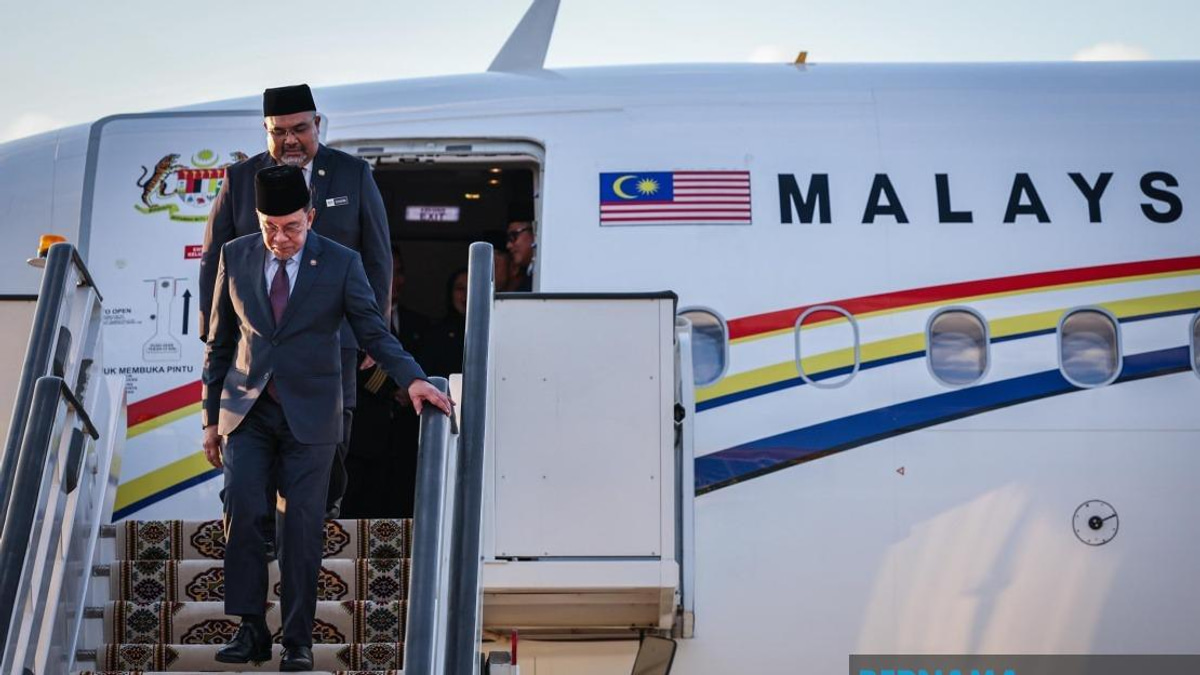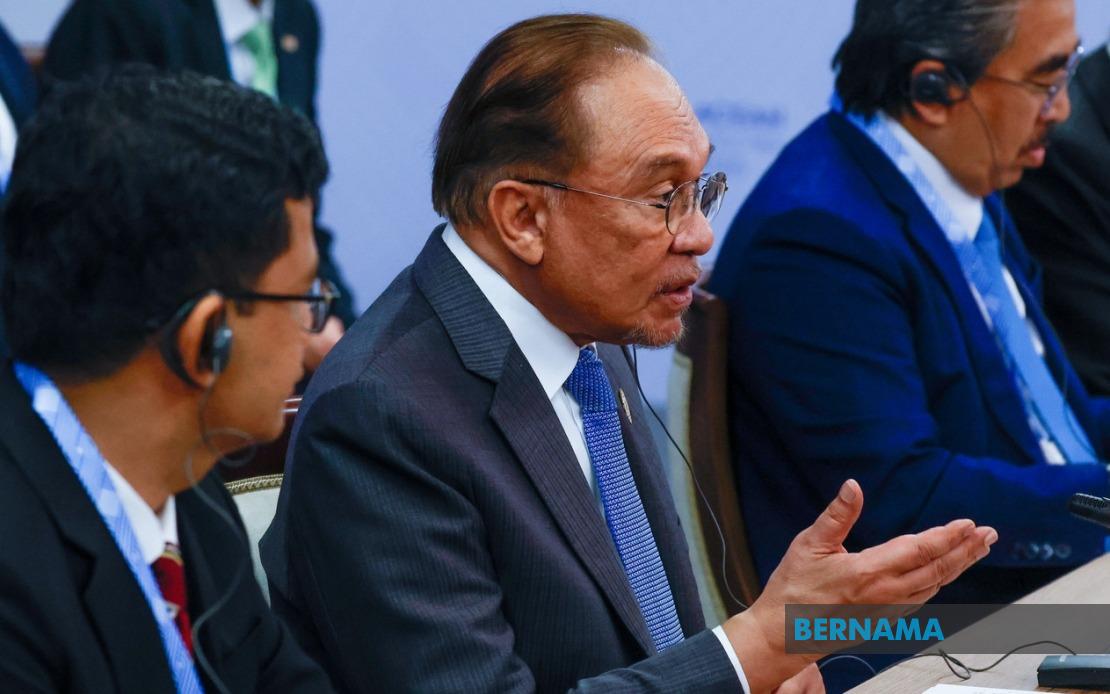
Malaysian Prime Minister Datuk Seri Anwar Ibrahim seized the opportunity during a bilateral meeting with Russian President Vladimir Putin in Kazan to acknowledge Russia's unwavering diplomatic approach toward two of the most contentious geopolitical flashpoints affecting global stability. The Wednesday evening exchange reflected the importance both nations place on their strategic relationship, particularly as Middle Eastern tensions continue to shape international relations and economic calculations across Asia.
Anwar's remarks underscored Malaysia's appreciation for Moscow's consistency in navigating complex regional crises that extend far beyond Europe's borders. By publicly commending Putin's steadfastness, the Malaysian leader signalled that nations across the developing world, including Southeast Asian powers, value diplomatic predictability from major players, even when their positions may diverge from Western consensus. This reflects a broader Malaysian foreign policy orientation that seeks to maintain pragmatic relationships with multiple global centres of influence.
Russia's position on Gaza has centred on advocating for sustained ceasefires and ensuring unimpeded humanitarian corridors for Palestinian civilians caught in the escalating conflict. Moscow has repeatedly called for internationally mediated diplomatic solutions rather than military escalation, positioning itself as a voice for restraint in a situation increasingly characterised by entrenched positions and humanitarian suffering. These calls have resonated in Muslim-majority nations and developing economies that view Western powers as having imposed double standards in their Middle Eastern interventions.
Parallel to Gaza, Russia maintains a distinctive stance toward Iran that prioritises dialogue and negotiated settlements over confrontation or isolation. Rather than aligning with Western pressure campaigns and sanctions regimes, Moscow has deepened its strategic partnership with Tehran, demonstrating that major powers can pursue coordinated interests without requiring ideological alignment or submission to hegemonic frameworks. This approach carries particular significance for a region where historical grievances against external intervention run deep.
For Malaysia, these Russian positions hold strategic relevance beyond mere symbolic support. As a Muslim-majority nation with significant Arab ties and a commitment to the Palestinian cause, Malaysia has long navigated the tension between maintaining diplomatic relationships with Western powers and voicing solidarity with Middle Eastern interests. Anwar's public acknowledgement of Russian consistency suggests Malaysia views Moscow as a stabilising force capable of defending principles when others prioritise expediency or power politics.
The timing of Anwar's remarks carries weight in the context of escalating regional tensions and great power competition reshaping the global order. With the United States pursuing containment strategies, China expanding its Belt and Road footprint, and Russia asserting itself despite sanctions and isolation, middle-power nations like Malaysia must carefully assess which relationships offer genuine strategic autonomy. By commending Russia's principled approach, Anwar positions Malaysia within a coalition of nations valuing multipolar stability.
Anwar's emphasis on conviction and tenacity in Putin's positions also reflects a Malaysian reading of international relations that values leaders perceived as firm and unmovable in their principles. This contrasts sharply with criticism of Western leaders as inconsistent or opportunistic when adjusting policies based on electoral cycles or domestic political pressures. Such framing appeals to populations in Malaysia and across the Global South that have grown sceptical of claims about universal democratic values accompanied by selective application.
The broader context of Malaysian-Russian relations extends beyond these immediate geopolitical positions. Both nations have expanded economic cooperation, though trade volumes remain modest compared to Malaysia's engagement with Western and Asian counterparts. The bilateral relationship encompasses defence ties, educational exchanges, and energy partnerships that reflect deepening integration despite Western sanctions constraining Russia's international engagement. Anwar's public recognition of shared principles strengthens the foundation for expanding these multifaceted connections.
From a Southeast Asian perspective, Malaysia's articulation of support for Russian diplomatic positions carries implications for regional autonomy and the principle of non-alignment. As ASEAN navigates pressures to align explicitly with Western strategic objectives, Malaysian willingness to acknowledge alternative approaches to global problems reinforces the region's traditional resistance to bloc formation. This stance protects space for countries to pursue independent foreign policies rather than subordinating regional interests to great power conflicts.
The meeting in Kazan itself symbolises Malaysia's continued engagement with Russia despite Western efforts to isolate Moscow diplomatically and economically. By meeting at a high level and issuing public commendations, Anwar signals that Malaysia will not participate in coordinated isolation strategies, instead preferring direct bilateral engagement that enables Malaysia to pursue its own strategic interests and honour its commitments to principles of sovereignty and non-interference.
However, Anwar's public affirmation of Russian positions also reflects Malaysia's delicate balancing act. The nation maintains substantial economic and security relationships with Western powers, particularly the United States, while simultaneously refusing to accept diktat on foreign policy direction. This balancing requires careful diplomacy where public statements acknowledge non-Western positions without creating perception of alignment against Western interests.
Looking ahead, the Malaysian-Russian relationship will likely deepen in specific sectors where mutual benefit is clear, such as energy cooperation and defence technology, while broader geopolitical alignment remains constrained by Malaysia's economic integration with the broader international system. Anwar's remarks, therefore, should be understood not as signalling a fundamental strategic reorientation but rather as reassertion of Malaysia's independent voice in global affairs, reserving the right to cooperate with all parties based on national interests rather than imposed alignments.