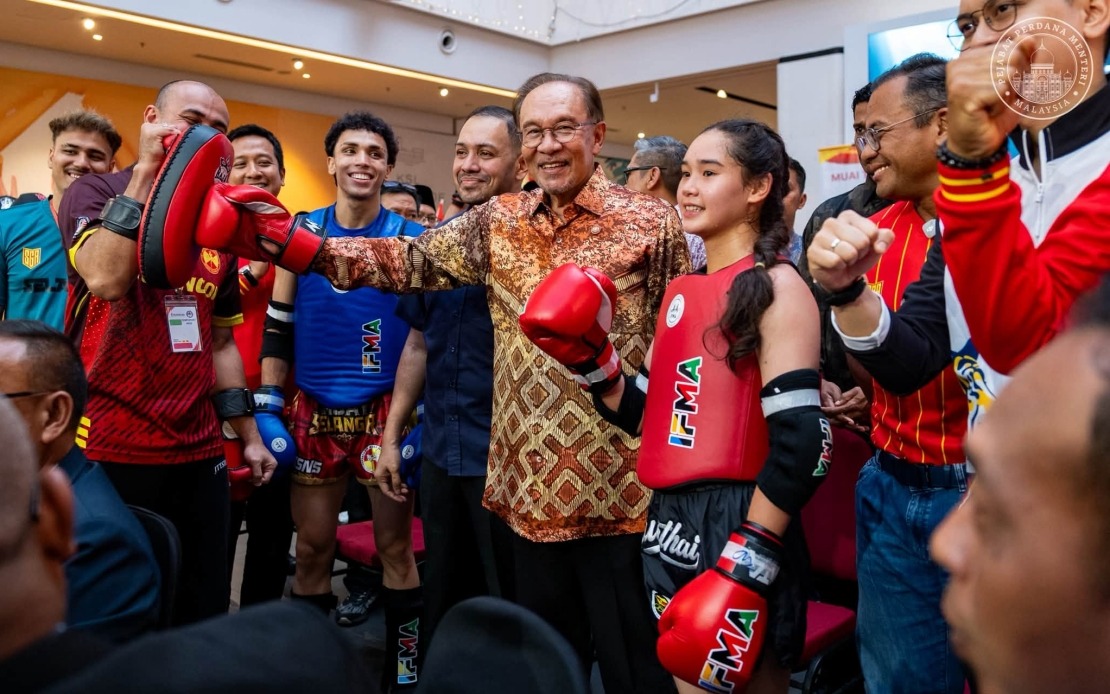
Prime Minister Datuk Seri Anwar Ibrahim has expressed optimism about the trajectory of Malaysia's emerging sporting talent, singling out competitors at the ongoing 2026 Selangor Malaysia Games for their exceptional commitment and resilience. In remarks shared online on August 20, Anwar highlighted the impressive qualities he witnessed among the young athletes during his attendance at the biennial event, particularly when observing Muay Thai competitions. His comments underscore the government's interest in nurturing domestic talent pipelines that could eventually feed into Malaysia's international sporting representation.
The Prime Minister's observations carry particular significance given Malaysia's ongoing efforts to strengthen its competitive standing in regional and global sports. By publicly commending the athletes' display of discipline alongside their competitive spirit, Anwar is effectively signalling government backing for youth sports development as a strategic priority. This form of high-level political endorsement can carry tangible benefits, including potential increased funding allocations and infrastructure support for emerging athletic programmes across the nation. The visibility of such leadership attention often galvanises both administrative and grassroots support for young sports development initiatives.
Selangor's hosting of the 2026 Malaysia Games marks a significant milestone for the state, representing the first time it has organised the biennial championship in 28 years. This return to hosting duties reflects both the state's logistical capacity and its commitment to advancing sports within its borders. The scale of the current competition demonstrates the breadth of Malaysia's youth sports ecosystem, with more than 5,000 athletes from across the country converging to compete for 468 gold medals across 37 different sporting disciplines. Such a large gathering provides an invaluable opportunity for talent scouts, coaching staff, and sports administrators to identify promising young performers who might benefit from enhanced training and development pathways.
The duration of the games, which runs through August 24, ensures sustained exposure for participating athletes and creates multiple opportunities for national representatives and sports bodies to assess competitive standards across different age groups and disciplines. This extended timeframe also maximises media coverage and public engagement, allowing Malaysian audiences to develop familiarity with emerging athletic talent. For many young competitors, the mere opportunity to participate at this level represents a crucial stepping stone in their sporting careers, providing invaluable experience competing against peers from across the country in a structured, high-profile environment.
Anwar's specific mention of Muay Thai reflects the growing prominence of combat sports in Malaysia's sporting landscape. As a traditional Southeast Asian discipline with deep cultural roots, Muay Thai's integration into major national competitions underscores Malaysia's commitment to showcasing diverse sporting traditions alongside conventional Olympic disciplines. The selection of Muay Thai as a competitive sport at SUKMA also demonstrates the games' role in promoting regional sporting heritage while simultaneously developing athlete capacity in disciplines where Malaysia has invested considerable training infrastructure and expertise.
The pathway from domestic competition to international representation remains crucial for Malaysia's sporting ambitions. Young athletes who distinguish themselves at SUKMA often progress through national development programmes, eventually competing in Commonwealth Games, Asian Games, and other major international tournaments. By publicly acknowledging the potential within the current cohort of competitors, Anwar is reinforcing the importance of sustained investment in youth sports systems that can effectively transition promising talent from local competitions to the international stage. This iterative development process requires consistency across multiple political cycles and administrative changes, making high-level political commitment an essential component of long-term sporting success.
The competitive environment at SUKMA serves multiple functions beyond simply crowning champions. It provides athletes with exposure to professional sporting standards, access to quality coaching, and the experience of performing under pressure—all essential elements in preparing young competitors for international competition. Furthermore, the games create opportunities for networking among coaches, administrators, and sports scientists from different states, potentially facilitating knowledge exchange and best practice sharing across Malaysia's sporting ecosystem. Such institutional connections often prove invaluable for athlete development, as they enable the pooling of resources and expertise across regional boundaries.
For Malaysia's sporting authorities, major domestic competitions like SUKMA function as crucial talent identification and development platforms. The concentration of thousands of young athletes in a single venue allows national coaches and talent development officers to systematically evaluate emerging talent and identify individuals warranting accelerated development pathways. This systematic approach to talent management has become increasingly important as Malaysia competes against better-resourced sporting nations, requiring strategic focus on identifying and nurturing the highest-potential individuals from the earliest possible stage.
The Prime Minister's comments also carry implications for sports funding and policy direction at the national level. When senior political figures publicly endorse youth sports development, they effectively create political capital for sports-related budget allocations and policy initiatives. This can translate into increased funding for athlete development programmes, improved coaching standards, enhanced training facilities, and stronger support systems for young competitors. The ripple effects of such political backing often extend beyond individual athletes to encompass broader infrastructure and institutional improvements within the sports sector.
Looking forward, the challenge for Malaysia's sports establishment will be translating promising domestic performances into sustained international success. Young athletes who perform well at SUKMA require access to world-class coaching, competitive international exposure, and comprehensive support systems to successfully transition to the senior level and international competitions. This requires coordinated effort across state and national sports bodies, sports clubs, and potentially private sector partners willing to invest in athlete development. The transition from domestic success to international competitiveness remains one of the most demanding phases in an athlete's career, and success in this area depends on systemic support extending far beyond initial identification of talent.
The 2026 SUKMA Games ultimately represent more than a sporting competition—they embody Malaysia's commitment to developing the next generation of national athletes and maintaining competitive sporting presence regionally and globally. Anwar's engagement with the games signals that youth sports development remains on the government's radar as a matter deserving high-level attention. As Malaysia continues navigating an increasingly competitive global sporting landscape, the foundation laid by events like SUKMA and the talent developed through such competitions will prove increasingly crucial to the nation's ability to achieve its international sporting objectives and deliver memorable performances on the world stage.

