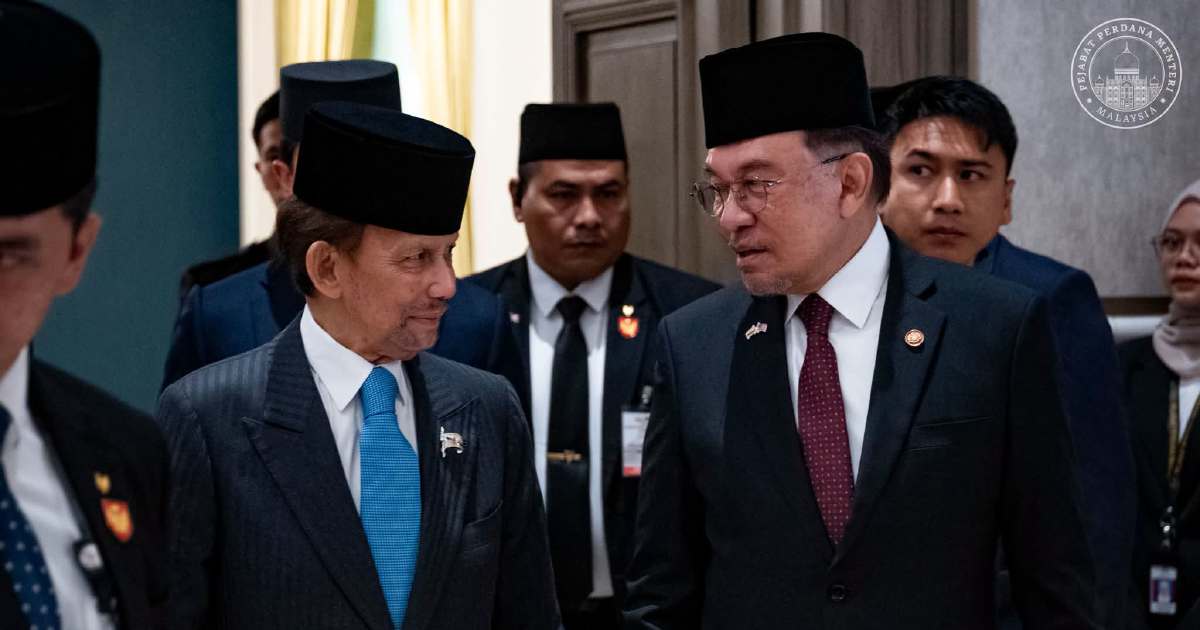
Prime Minister Datuk Seri Anwar Ibrahim is set to journey to Brunei next week for a high-level diplomatic engagement with Sultan Hassanal Bolkiah, marking the 27th iteration of the Annual Leaders' Consultation between the two nations. The visit to Bandar Seri Begawan signals continued momentum in the Malaysia-Brunei relationship, which has long been anchored by regular consultations at the highest political level.
The Annual Leaders' Consultation mechanism represents one of the most institutionalized forums for bilateral engagement in Southeast Asia, reflecting the depth of the relationship between Malaysia and Brunei. These annual summits have evolved into crucial platforms where both leaders address strategic matters, economic cooperation, and regional concerns, demonstrating the importance both capitals place on maintaining strong bilateral bonds.
For Malaysia, such engagement with Brunei carries particular significance given the sultanate's role as Chair of the Association of Southeast Asian Nations (ASEAN) and its strategic position along major maritime routes in the region. Brunei's small but strategically located territory and its reserves of oil and natural gas have long made it an important economic player in the region, and maintaining robust relations is essential for Malaysia's broader regional diplomacy.
The timing of Anwar's visit comes as both nations navigate post-pandemic recovery and look toward expanding cooperation in trade, investment, and people-to-people exchanges. Malaysia and Brunei share historical ties, a common heritage, and complementary economic interests that provide numerous avenues for deeper partnership, from energy cooperation to tourism development.
Bilateral trade between Malaysia and Brunei, while modest compared to Malaysia's overall trade volumes, remains steadily important to both economies. The visit offers an opportunity to review existing trade agreements and explore new areas of economic collaboration that could benefit businesses and consumers in both nations. Enhanced connectivity through improved transportation links and digital infrastructure could unlock greater potential for cross-border commerce and tourism.
Beyond economic matters, the consultation is likely to address regional security challenges and ASEAN affairs. With regional tensions occasionally flaring around maritime disputes and shipping routes critical to global commerce, Malaysia and Brunei's perspective on maintaining stability and upholding international law will be central to discussions. Both nations share an interest in ensuring freedom of navigation and peaceful resolution of regional disagreements.
People-to-people connectivity between Malaysia and Brunei remains a key focus area for both governments. The visit may yield discussions on streamlining travel procedures, enhancing educational exchanges, and promoting cultural programmes that strengthen bonds between Malaysian and Bruneian communities. Such initiatives help ensure that diplomatic relations translate into tangible benefits for ordinary citizens in both countries.
Sultanate Brunei's position as a wealthy, stable monarchy in Southeast Asia has made it an important anchor for regional cooperation. Sultan Hassanal Bolkiah's consistent leadership has provided continuity in the sultanate's foreign policy approach, and regular consultations with Malaysian leadership ensure that both nations' strategic interests remain well-coordinated.
The 27th iteration of this annual consultation reflects decades of commitment to sustained dialogue. Such consistency in high-level engagement sends a strong signal to the international community about the mutual respect and stability characterizing the Malaysia-Brunei relationship, even as both nations navigate complex regional and global challenges.
The visit also underscores Malaysia's active regional diplomacy under Anwar's leadership. Since his return to office, the Prime Minister has prioritized strengthening ties with neighbouring countries and reinforcing Malaysia's voice in regional forums. Engagement with key partners like Brunei is essential for advancing Malaysia's interests in ASEAN and addressing issues that affect the broader Southeast Asian region.
Looking ahead, both nations will likely explore collaborative frameworks that position them to respond effectively to emerging challenges, from climate change and pandemic preparedness to digital transformation and sustainable development. The consultation format allows for candid discussions that can shape bilateral policy for the year ahead while also serving as a venue for coordinating positions on important regional and international issues.
Anwar's journey to Bandar Seri Begawan next week reinforces that despite differences in size and economic profile, Malaysia and Brunei view their partnership as mutually beneficial and strategically important. The durability of their consultative mechanism, now in its 27th year, stands as testament to the value both nations derive from regular, structured dialogue at the highest political levels.

