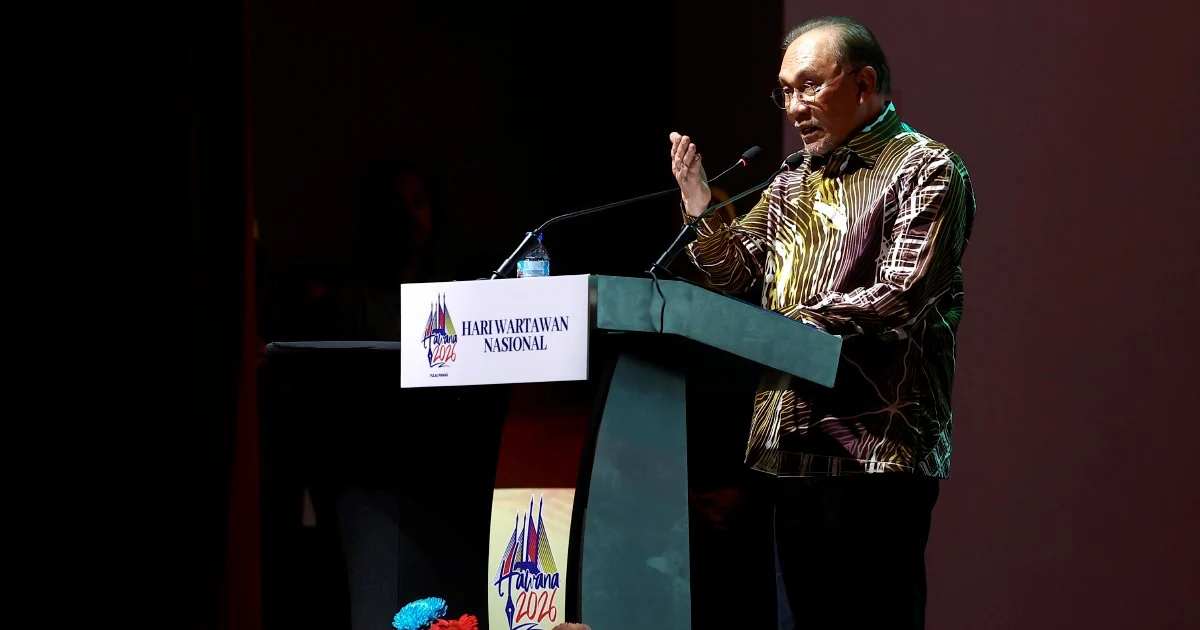
Pakatan Harapan's push to reclaim influence in Johor gathered momentum as coalition chairman Datuk Seri Anwar Ibrahim prepared to formally unveil his party's candidate roster for the state election, signalling a critical phase in the opposition's bid to challenge the ruling Barisan Nasional stronghold. The announcement, scheduled for Bukit Gambir, represents the culmination of weeks of internal negotiations and deliberations among PH's constituent parties over seat allocations and strategic positioning across the southern state.
Johor remains a historically significant political battleground where the opposition has struggled to gain decisive ground. The Barisan Nasional coalition, anchored by the Umno-dominated state government, has maintained its grip on the state legislature for decades, making any PH breakthrough in the region a symbolic and practical victory for Anwar's broader political ambitions. The forthcoming candidate announcement will test the coalition's unity and its ability to present a coherent alternative to voters who have traditionally favoured the incumbent administration.
The timing of the announcement reflects the opposition's recognition that momentum matters in electoral campaigns. By formalising its candidate selection and presenting a complete picture of its proposed state representatives, PH aims to energise its support base and shift the narrative around Johor politics. The choice of Bukit Gambir as the venue carries particular significance, positioning the announcement in a location chosen specifically for its political relevance to the coalition's wider campaign strategy.
Internal coalition dynamics have likely shaped the final candidate list considerably. Pakatan Harapan comprises multiple parties with sometimes competing interests, including the Democratic Action Party, Amanah, and the People's Justice Party aligned with Anwar. Balancing representation among these parties while also rewarding grassroots activism and selecting candidates with genuine prospects of victory requires careful political choreography. The announcement will reveal whether the coalition achieved a workable consensus or whether tensions remain visible in the final lineup.
Johor's electoral map presents distinct challenges and opportunities for the opposition. Urban constituencies, particularly in Johor Bahru and surrounding areas, have shown greater receptiveness to PH messaging, while rural districts have remained more conservative in their voting patterns. The candidate selection will likely reflect PH's strategic assessment of where it can realistically compete and where it should concentrate resources. Experienced political operatives will probably find themselves positioned in marginal constituencies where elections are decided, while newer faces may be given opportunities in less competitive seats.
For Anwar personally, the Johor announcement constitutes a significant moment in his leadership of the broader coalition. As Prime Minister, his political capital is directly tied to PH's electoral performance. A strong showing in Johor could strengthen his position within the ruling coalition and demonstrate his continued relevance as a political force, while disappointing results could embolden rivals within Barisan Nasional and within PH itself. The candidates he endorses and the seats he prioritises send clear messages about his political calculations and priorities.
Regional observers will scrutinise the candidate list for insights into PH's confidence levels across different constituencies. The inclusion of high-profile personalities in certain races suggests competitive strength, while candidate selections in challenging areas may indicate either strategic sacrifice or genuine competitive aspirations. These choices collectively form a narrative about where PH believes its support base exists and where it intends to mount serious challenges to Barisan Nasional incumbents.
The Johor state election itself remains one of the significant remaining electoral contests in Malaysia's political calendar, with potential implications extending beyond the southern state. Success in Johor could reshape the political landscape across Southeast Asia's most economically significant state and provide momentum for future electoral contests. Conversely, another strong showing by Barisan Nasional in the region would reinforce the ruling coalition's dominance and suggest that opposition inroads remain limited to specific demographic and geographic niches.
Stakeholders from business, civil society, and international observers will likely view the candidate announcement as a barometer of Malaysian politics' current health. The quality of candidates fielded by both coalitions reflects the health of local democracy and the extent to which political parties attract capable individuals willing to serve. The announcement tomorrow will provide a concrete foundation for voters to evaluate their choices and assess the competing visions for Johor's future.
%22%2F%3E%3C%2Fpattern%3E%3C%2Fdefs%3E%3Crect%20width%3D%22100%25%22%20height%3D%22100%25%22%20fill%3D%22url(%23ph24037g)%22%2F%3E%3Crect%20width%3D%22100%25%22%20height%3D%22100%25%22%20fill%3D%22url(%23ph24037p)%22%2F%3E%3Ctext%20x%3D%2250%25%22%20y%3D%2250%25%22%20text-anchor%3D%22middle%22%20dominant-baseline%3D%22central%22%20fill%3D%22rgba(255%2C255%2C255%2C0.95)%22%20font-family%3D%22Georgia%2C%20'Times%20New%20Roman'%2C%20serif%22%20font-weight%3D%22700%22%20font-size%3D%22320%22%20letter-spacing%3D%22-0.02em%22%3EIran%3C%2Ftext%3E%3C%2Fsvg%3E)
%22%2F%3E%3C%2Fpattern%3E%3C%2Fdefs%3E%3Crect%20width%3D%22100%25%22%20height%3D%22100%25%22%20fill%3D%22url(%23ph1r7fsg)%22%2F%3E%3Crect%20width%3D%22100%25%22%20height%3D%22100%25%22%20fill%3D%22url(%23ph1r7fsp)%22%2F%3E%3Ctext%20x%3D%2250%25%22%20y%3D%2250%25%22%20text-anchor%3D%22middle%22%20dominant-baseline%3D%22central%22%20fill%3D%22rgba(255%2C255%2C255%2C0.95)%22%20font-family%3D%22Georgia%2C%20'Times%20New%20Roman'%2C%20serif%22%20font-weight%3D%22700%22%20font-size%3D%22320%22%20letter-spacing%3D%22-0.02em%22%3EIran%3C%2Ftext%3E%3C%2Fsvg%3E)