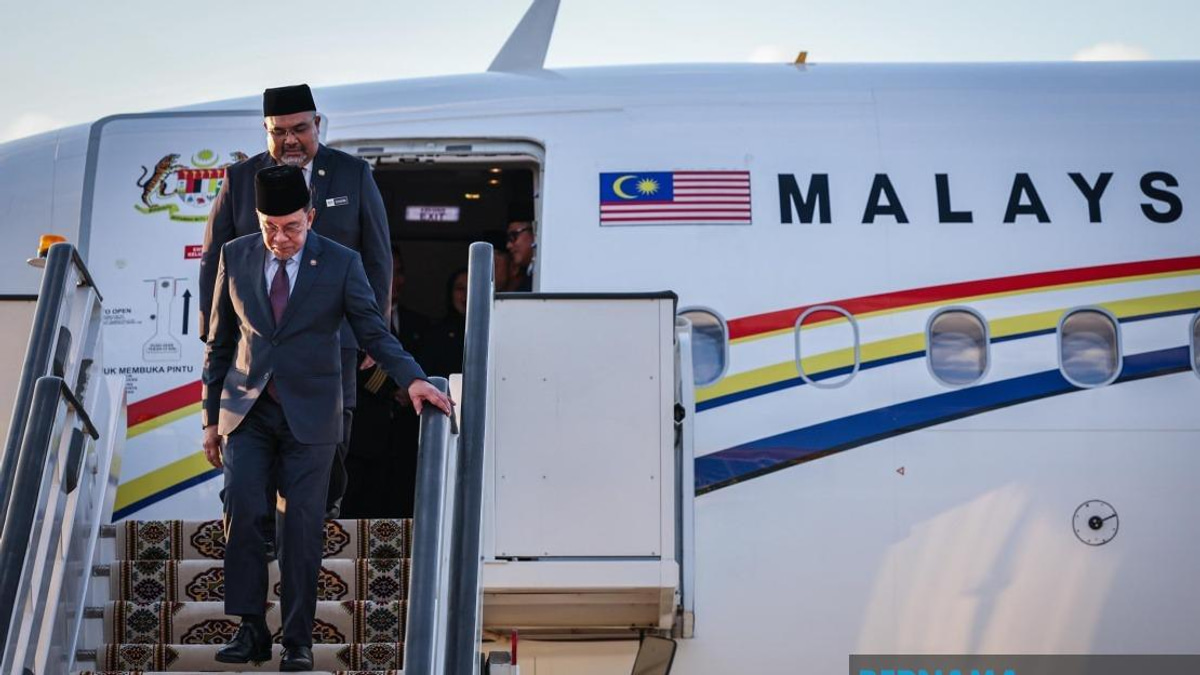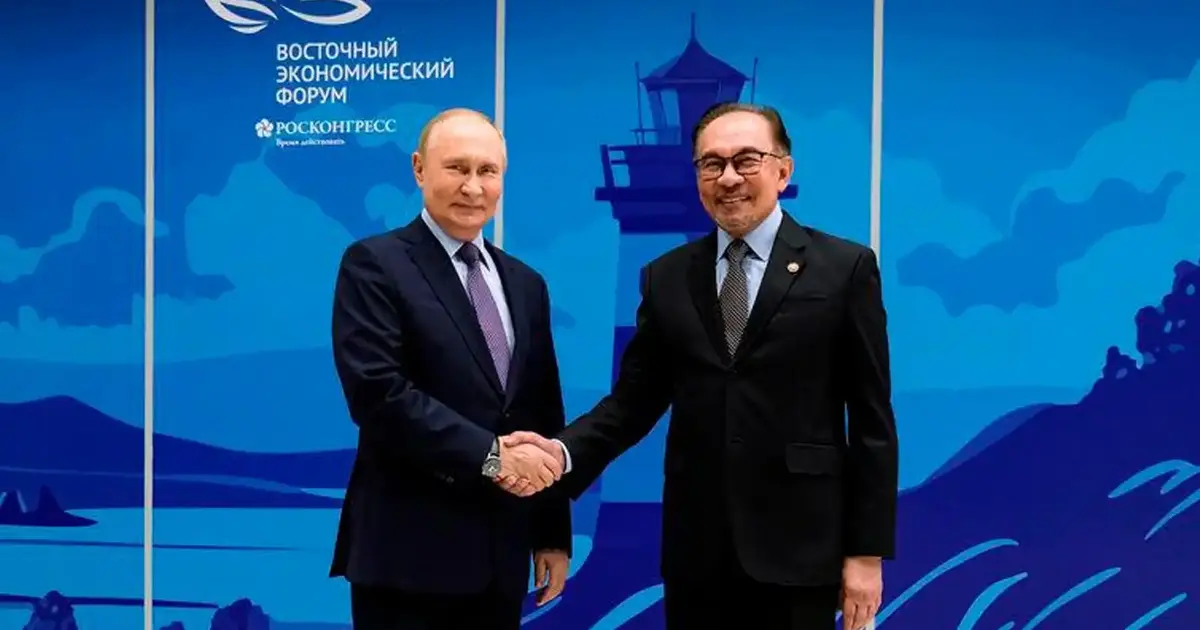
Prime Minister Anwar Ibrahim is heading to Russia for a working visit starting tomorrow, during which he plans to hold discussions with President Vladimir Putin on Malaysia's fuel supply needs and broader regional cooperation between Asean and Russian leadership.
The visit represents a significant diplomatic engagement at a time when energy security remains a critical concern across Southeast Asia. Malaysia, as a net importer of petroleum products in recent years, has been exploring diversified sources to support its domestic demand and maintain price stability for consumers and industries alike. The scheduled meeting with Putin signals an intent to explore potential energy cooperation beyond traditional arrangements, particularly as geopolitical shifts reshape energy trade patterns in the region.
Asean's collective approach to energy diplomacy has gained prominence as member states seek to balance relationships with multiple global powers while securing reliable supply chains. The inclusion of other Asean leaders in separate meetings with Russian counterparts indicates a coordinated regional strategy, reflecting the bloc's evolving role in global affairs. This multilateral dimension adds weight to discussions beyond bilateral Malaysia-Russia engagement, positioning the talks as part of broader Southeast Asian efforts to strengthen ties with Moscow.
Russia remains a significant oil and gas producer, though Western sanctions imposed since 2022 have reshaped its export markets and pricing mechanisms. For Malaysian policymakers, engagement with Russian leadership offers an opportunity to assess current conditions and future prospects for energy trade, particularly given the divergent interests of Asean members in responding to global sanctions regimes. Malaysia has historically maintained pragmatic economic relationships while navigating complex geopolitical pressures, and this visit underscores that balancing approach.
Fuel supply considerations extend beyond simple price negotiations. Stability of supply chains, contract terms, payment mechanisms, and logistics coordination all feature in energy partnerships. Given regional inflation pressures and the cost-of-living challenges facing Malaysian households, securing competitive and reliable fuel sources remains politically sensitive. Prime Minister Anwar's direct engagement at the highest diplomatic level suggests Malaysia views this negotiation as sufficiently important to warrant his personal attention.
The timing of the visit merits attention within the broader context of Asean-Russia relations, which have evolved considerably in recent years. While Asean maintains its traditional non-aligned stance, Russia's status has shifted following its invasion of Ukraine. Asean's consensus-based decision-making has been tested by this geopolitical rupture, with members holding divergent views on how to respond. Malaysia's approach has been notably measured, advocating for dialogue and de-escalation while maintaining economic pragmatism.
Energy partnerships between Asean and Russia could encompass not only immediate supply arrangements but also longer-term infrastructure development and technological cooperation. Russia possesses expertise in oil and gas exploration, refining technologies, and petrochemical production that could benefit Malaysian industrial development. Discussions may therefore range beyond emergency fuel sourcing to encompassing strategic investments in Malaysia's energy sector.
For Malaysian consumers and businesses, the outcomes of these high-level discussions could eventually influence domestic fuel prices and availability. The government has previously managed fuel subsidies and price regulations as part of broader economic policy, and securing additional supplier options strengthens its negotiating position with existing partners. A diversified energy supply base reduces vulnerability to supply shocks and provides leverage in negotiations with other major producers.
Regionally, Malaysia's engagement with Russian leadership sends a subtle message about Asean's autonomy in foreign relations. The bloc has consistently resisted pressure to adopt stronger stances against Russia, preferring dialogue and engagement despite international criticism. This visit reinforces that position while also demonstrating that energy considerations, not just geopolitical alignment, drive Asean's foreign policy decisions.
The involvement of multiple Asean leaders in the broader diplomatic engagement suggests coordinated messaging and potentially shared interests in Russian energy supplies. Some Asean members, particularly those heavily dependent on energy imports, face similar pressures in securing affordable and dependable fuel sources. A collective approach could yield better terms and strengthen the bloc's negotiating position.
Ultimately, Prime Minister Anwar's visit represents Malaysia's attempt to navigate contemporary global complexities while prioritising domestic economic interests. Energy security underpins economic stability, and by engaging directly with major suppliers like Russia, the government demonstrates commitment to exploring all available options for maintaining fuel supply and managing costs. The diplomatic engagement also signals Malaysia's continued independence in crafting its own foreign policy aligned with national interests rather than external pressures.