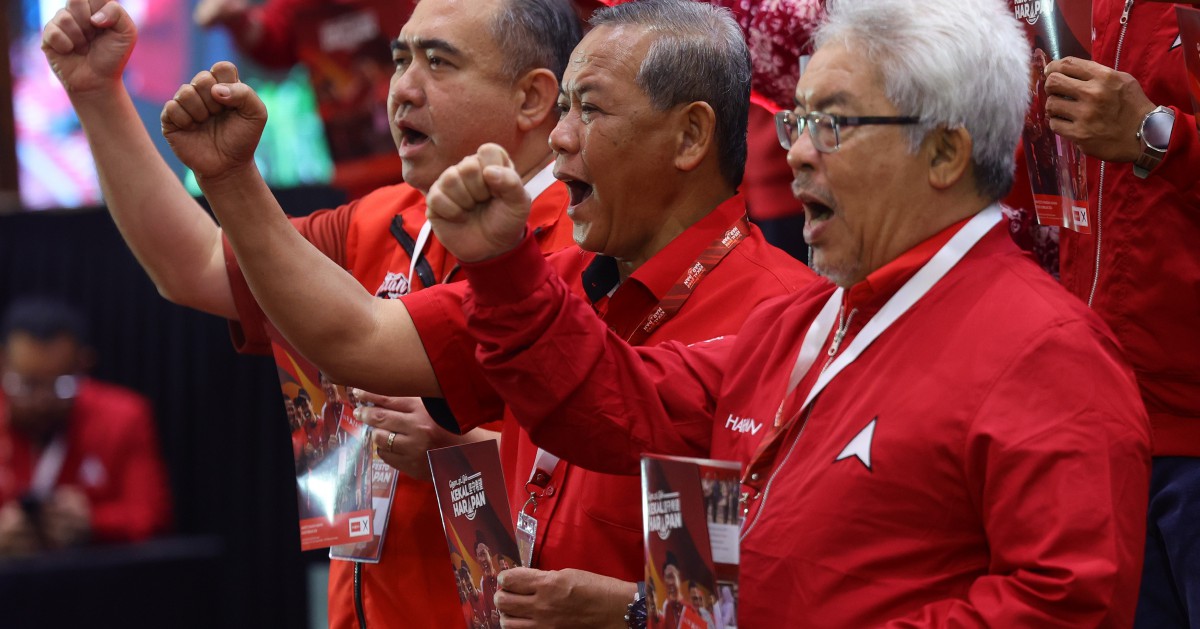
Prime Minister and Pakatan Harapan chairman Datuk Seri Anwar Ibrahim is poised to hit the campaign trail in Negri Sembilan on Wednesday, lending his weight to the coalition's bid to strengthen its political foothold in the central Malaysian state. The high-profile appearance underscores the strategic importance the federal government places on the upcoming state election and reflects broader efforts to consolidate support across diverse constituencies.
The participation of the premier marks a significant moment for Pakatan Harapan's electoral strategy, as the coalition seeks to mobilise voter enthusiasm and translate national-level popularity into state-level victories. Negri Sembilan, sandwiched between the federal territories and Pahang, has long served as a bellwether for regional political sentiment and occupies a symbolic position within Malaysia's electoral geography.
Anwar's direct involvement in campaign activities demonstrates the coalition's recognition that local elections increasingly turn on national political narratives. The Prime Minister's presence is designed to remind voters of the federal government's agenda and connect state-level governance with broader policy directions set in Kuala Lumpur. This integration of national and state campaigning has become standard practice among Malaysia's major political coalitions in recent election cycles.
The timing of Anwar's Negri Sembilan visit carries significance given the state's mixed political composition and its history as a swing territory. The state has traditionally experienced fluid political allegiances, with voters responsive to economic conditions and development promises. Pakatan Harapan's presence of a sitting prime minister on the campaign circuit sends a message that resources and attention will flow towards constituencies that deliver electoral returns.
For Pakatan Harapan, the state election represents an opportunity to build momentum following the coalition's return to federal power. Victories in state elections bolster the party's legitimacy and provide additional platforms for implementing policies that resonate with voters. Conversely, state-level setbacks can undermine morale and complicate the narrative of federal competence.
Negri Sembilan has witnessed significant economic development in recent years, with manufacturing sectors and infrastructure projects reshaping the state's economic profile. Issues surrounding urban planning, environmental sustainability, and economic opportunity are likely to feature prominently in campaign messaging. Anwar's participation allows Pakatan to frame state governance within the context of broader economic transformation and development priorities.
The campaign visit also offers an occasion for the coalition to address local grievances and demonstrate responsiveness to constituent concerns. Electoral campaigns in Malaysia increasingly serve as feedback mechanisms, where politicians gauge public sentiment on everything from public transportation to healthcare accessibility. Anwar's direct engagement with voters in Negri Sembilan provides opportunities to identify and respond to emerging issues before they crystallise into broader political problems.
From a strategic perspective, Pakatan Harapan's investment in state-level campaigns reflects lessons learned from previous electoral cycles. The coalition understands that maintaining control or expanding influence at state level requires sustained engagement rather than last-minute interventions. Anwar's Wednesday appearance is thus part of a broader campaign calendar designed to maintain voter interest and organisational momentum through the election period.
The opposition's likely response to such high-profile campaigns underscores the competitive intensity of Malaysian electoral politics. State elections are no longer relegated to local importance but instead serve as proxies for national political rivalries. Barisan Nasional and other political combinations can be expected to escalate their own campaigning efforts in response to federal coalition activity.
For Malaysian voters in Negri Sembilan, the concentration of political attention around the election offers both opportunities and challenges. Increased campaign activity creates space for serious policy discussion and voter education but can also amplify polarisation if campaigns resort to divisive messaging. The state's diverse demographic composition means candidates and parties must craft messages that appeal across different communities and socioeconomic backgrounds.
The broader context for this election involves questions about the direction of Malaysian politics following the 2022 federal elections. Pakatan Harapan's maintenance of federal power depends partly on demonstrating continued voter support through state-level victories. Each election cycle provides opportunities to refresh political narratives and respond to evolving public priorities, whether centred on economic management, anti-corruption efforts, or social policy.
Anwar's campaign presence also carries implications for the stability of the current federal coalition, where multiple parties hold seats in Parliament and negotiate policy outcomes. State elections can shift internal power dynamics within such coalitions and influence negotiations over ministerial appointments and policy direction. The stakes for Pakatan Harapan in Negri Sembilan therefore extend beyond the immediate electoral mathematics of the state itself.

