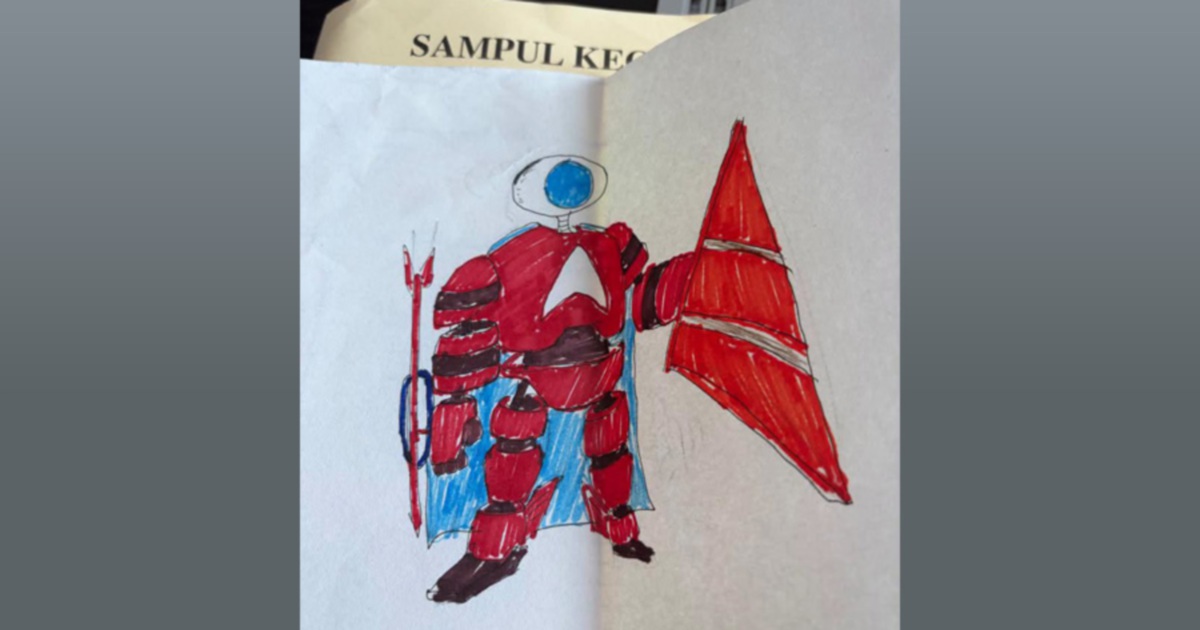
Prime Minister Datuk Seri Anwar Ibrahim has placed considerable sentimental value on a drawing presented to him by a child with special needs during a recent Temu Anwar community gathering in Negri Sembilan, reflecting his commitment to inclusive engagement with all Malaysians across the nation.
The artwork, which emerged from the latest installment of the Prime Minister's grassroots listening sessions, represents a broader pattern of Anwar's administration emphasising direct community interaction as a cornerstone of governance. These Temu Anwar programmes, held periodically across different states, are designed to provide ordinary Malaysians with direct access to the Prime Minister and his cabinet colleagues, creating platforms where citizens from all walks of life can voice concerns, suggestions, and participate in national discourse.
The significance of this particular gesture extends beyond a simple gift exchange. For families raising children with special needs in Malaysia, visibility and recognition at the highest levels of government can carry substantial psychological and symbolic weight. When the Prime Minister accepts and treasures such an offering, it sends a signal that individuals with disabilities and their families are valued members of the national community deserving of equal attention and respect.
Negri Sembilan's inclusion in the Temu Anwar circuit underscores the administration's determination to reach beyond urban centres and ensure that state-level communities feel genuinely heard by federal leadership. The state, located in the Klang Valley region and home to diverse demographic groups, presents particular opportunities for understanding grassroots concerns ranging from economic livelihoods to social services accessibility.
The Prime Minister's documented appreciation of the drawing also reflects broader contemporary trends in Malaysian political leadership, where symbolic gestures and personal touches are increasingly recognised as legitimate components of statecraft. Such moments, when captured and shared, demonstrate that governance encompasses emotional intelligence and human connection alongside policy implementation and administrative machinery.
For the child and family involved, the experience of presenting artwork directly to the nation's Prime Minister likely constitutes a memorable milestone. Such encounters can prove transformative for young people, particularly those navigating the additional complexities of living with special needs, by affirming their capacity to contribute meaningfully to society and their right to public recognition.
The incident also illuminates Malaysia's ongoing national conversation about inclusive development. As the country pursues its economic transformation and social modernisation objectives, questions about whether systems adequately accommodate individuals with disabilities remain pertinent. Initiatives like Temu Anwar provide valuable feedback mechanisms for assessing whether existing support structures meet the needs of vulnerable populations, and what policy adjustments might be necessary.
Anwar's administration inherited commitments to special needs education and welfare services from previous governments, yet faces pressure to expand and enhance these provisions. The Malaysian education system continues developing frameworks for inclusive schooling, while employment opportunities for individuals with disabilities remain constrained compared to their peers without disabilities. Community programmes such as Temu Anwar offer opportunities to identify specific implementation gaps and receive direct testimony regarding barriers individuals encounter.
The preservation of the artwork as a personal keepsake carries implications for how the Prime Minister's office documents and commemorates constituent interactions. Many senior government officials maintain collections of gifts and meaningful objects received during public service, treating them as reminders of their responsibilities to the communities they serve. Such items often serve as conversation starters during official engagements, helping visiting delegations understand the human dimensions of governance.
Moving forward, the broader impact of such encounters depends partly on whether they translate into concrete policy initiatives or resource allocations benefiting special needs communities. Symbolic recognition, while valuable, requires complementary structural reforms and sustained investment to generate substantive improvements in service delivery, educational access, and employment prospects for individuals with disabilities and their families across Malaysia.
The Temu Anwar programme continues scheduling sessions across remaining states, maintaining the administration's stated commitment to bottom-up governance and participatory democracy. Each gathering produces countless individual interactions and moments of human connection, though few receive public attention unless they align with particular narratives or values the government wishes to emphasise. This instance demonstrates that even routine community engagement activities can yield meaningful encounters with significant emotional resonance for participants involved.

