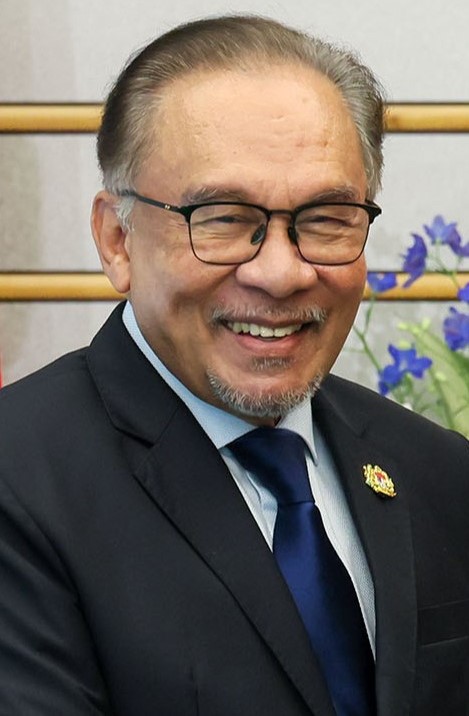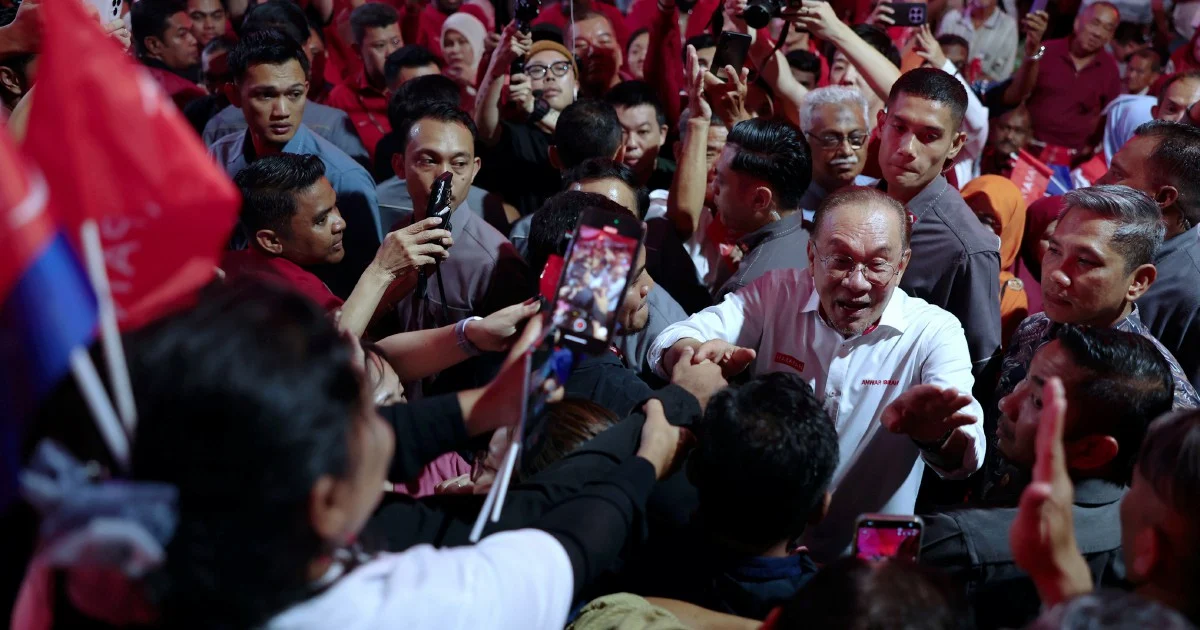
Pakatan Harapan chairman Datuk Seri Anwar Ibrahim revealed the coalition's comprehensive roster of 56 candidates competing in Johor's forthcoming state election on July 11, marking a significant moment in the opposition's attempt to recapture ground in a state long dominated by Barisan Nasional. The announcement, made in Tangkak, represents the culmination of weeks of internal negotiations and consultations among PH's component parties as they seek to present a united front in one of Malaysia's largest states by electoral constituency count.
The unveiling of a full candidate slate signals the coalition's confidence and organisational readiness heading into the campaign period. By presenting all 56 names simultaneously, PH demonstrates that its internal coalition dynamics—historically a source of friction between Amanah, DAP, and PKR—remain sufficiently cohesive to mount a coordinated challenge. This contrasts sharply with fragmentation that plagued opposition efforts in previous elections, suggesting the coalition has learned from past missteps in managing intra-party tensions over seat allocation and candidate selection.
Johor holds particular strategic significance for both PH and the ruling government. As the second-largest state by population and the home of Sultan Ibrahim Ibni Almarhum Sultan Iskandar, who also serves as Yang di-Pertuan Agong, electoral developments in Johor carry symbolic weight beyond mere numerical seat counts. Control of the state government carries implications for resource allocation, patronage networks, and the political momentum heading into future federal elections. PH's efforts to consolidate support in Johor directly influence its viability as a genuine nationwide alternative to Barisan Nasional.
The July 11 election date itself carries implications for Malaysia's political calendar. State elections, when held separately from federal polls, allow voters to deliver distinct messages to different levels of government. Johor voters will effectively render a judgment on Pakatan Harapan's governance record in Selangor and Penang while simultaneously assessing the current ruling coalition's stewardship. The timing may also influence momentum heading into future by-elections or parliamentary contests, making this a bellwether for broader political sentiment.
Candidate selection in a diverse, competitive state like Johor involves balancing geographical representation across urban and rural constituencies, ensuring adequate representation of various demographic groups, and maintaining the numerical balance among coalition partners. The specific composition of PH's 56 candidates—which would include representatives from PKR, DAP, and Amanah according to their seat-sharing arrangements—reveals where the coalition has prioritised resources and messaging. Urban centres may see stronger DAP representation, while PKR traditionally contests rural and Malay-majority seats, with Amanah positioned strategically in constituencies where its Islamic credentials add value.
The candidate announcement also occurs against the backdrop of broader political shifts in Malaysia. The Madani government's mixed performance on economic management, cost of living pressures, and legislative agenda creates both opportunities and vulnerabilities for an opposition coalition seeking to reposition itself as a viable governing alternative. Johor voters will weigh whether PH's governance in other states provides a credible template for state-level management, or whether anti-incumbency against the federal government translates into anti-government sentiment at the state level.
Regional political observers note that Johor's electoral dynamics differ from other states where PH holds office. Unlike Selangor, which has a significantly urbanised electorate, or Penang, with its distinct cultural and demographic profile, Johor presents a more heterogeneous challenge encompassing Johor Bahru's urban sophistication, industrial areas around Kulai, and rural constituencies in the state's interior. This diversity demands a candidate slate capable of addressing varied constituent concerns—from port workers to rubber farmers, from multinational corporation employees to fishing communities.
The unveiling of PH's complete candidate roster also reflects practical campaign necessities. Voters need clarity about who will represent them, candidates require lead time to campaign effectively, and the coalition benefits from generating media momentum during the announcement phase. By front-loading its candidate revelation, PH establishes narrative control before potential criticism of individual candidates or seat allocations emerges in subsequent media coverage.
Looking forward, the 56-candidate announcement initiates the formal campaign phase, during which each candidate becomes a representative of their party's messaging and values. The quality, experience, and public profile of these candidates will significantly influence PH's electoral prospects. Strong local figures with demonstrable track records carry distinct advantages, while unfamiliar faces require greater campaign investment and grassroots mobilisation to overcome name recognition deficits.
For Malaysian political watchers, this election represents an important test of whether the Pakatan Harapan coalition can sustain itself as an effective opposition force capable of governing, or whether internal contradictions ultimately limit its reach. Johor's voters will deliver a verdict that ripples throughout Malaysian politics, influencing calculations about political viability and future coalition possibilities. Anwar Ibrahim's leadership of this campaign, combined with his visible role in the candidate announcement, underscores that the coalition is treating this election as a personal and political priority.