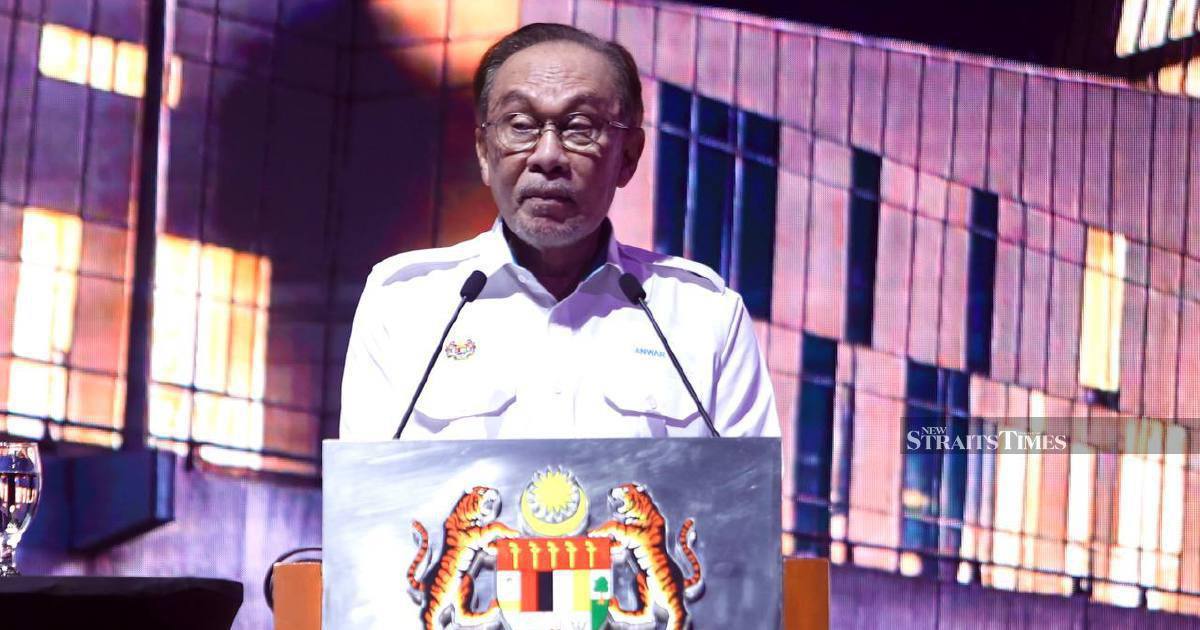
Prime Minister Datuk Seri Anwar Ibrahim has articulated a vision for Malaysia's creative industries that seeks to reconcile two often-competing imperatives: unleashing artistic potential while preserving the nation's distinctive cultural identity. Speaking at a gathering in Petaling Jaya, he stressed the need for filmmakers to operate within a framework that permits greater expressive latitude, yet remains anchored to Malaysia's established values, customs and ethical standards. This positioning reflects an attempt to navigate the persistent tension between liberalisation and cultural preservation that has long shaped policy discussions across Southeast Asia's creative sectors.
The Prime Minister's remarks come amid mounting international recognition of Malaysian cinema's potential, yet persistent domestic constraints that filmmakers frequently cite as impediments to storytelling ambition. Local producers have long operated within regulatory frameworks that some in the industry argue stifle innovation and commercial competitiveness at the regional and global levels. Anwar's intervention suggests receptiveness to reforming these structures, though his simultaneous emphasis on moral and cultural anchoring indicates any such reforms would proceed cautiously rather than represent wholesale deregulation.
Malaysia's film classification and content regulation systems, overseen by the Film Censorship Board, have remained relatively stringent compared to peers like Thailand and Singapore, creating a perception among some filmmakers that creative ambition is constrained by bureaucratic risk-aversion. Regional film festivals have increasingly featured works from neighbouring countries, while Malaysian submissions have sometimes faced delays or restrictions that limited their competitive prospects. The industry recognises that international recognition and commercial success require the latitude to explore complex narratives and social themes that current frameworks sometimes circumscribe.
Anwar's formulation—freedom paired with grounding in Malaysian values—attempts to address concerns from multiple constituencies. Conservative cultural and religious bodies have historically resisted liberalisation of content standards, viewing such changes as threats to social cohesion and Islamic principles. Yet the creative community has pushed for modernisation, arguing that authentic representation of contemporary Malaysian life sometimes requires depicting moral ambiguity, social conflict and cultural complexity. The Prime Minister's language suggests an opening toward accommodation of greater artistic range without abandoning core principles that shape national identity.
The timing of this intervention carries significance for Malaysia's positioning within the Southeast Asian creative economy. Thailand has deliberately cultivated a reputation for film industry dynamism and relatively permissive creative environments, attracting regional and international production investment. Singapore's strategic emphasis on media excellence has elevated its output to premium global markets. Vietnam and Indonesia have experienced recent surges in cinematic output and regional influence. Malaysia risks falling behind in this competitive landscape if filmmakers perceive constraints as uncompetitive barriers rather than cultural guardrails.
The economic implications merit particular attention for Malaysian policymakers. A thriving film industry generates employment across technical, creative and support sectors, contributes to tourism appeal, and builds soft power assets that enhance national standing internationally. When talented filmmakers encounter regulatory friction domestically, some opt to establish production bases elsewhere or relocate themselves, resulting in brain drain and lost economic opportunity. Conversely, a film industry perceived as dynamic and permissive can become a magnet for regional talent and investment, multiplying economic impact beyond the sector itself.
Anwar's appeal for balance also reflects broader considerations about Malaysian society's evolution. The nation's demographics skew younger, with generational cohorts increasingly exposed to global streaming platforms, international cinema and diverse narrative traditions. Younger audiences may find domestically-produced content that adheres rigidly to established conventions less compelling than regional or international alternatives. Meeting audience preferences while maintaining cultural values requires filmmakers capable of sophisticated storytelling that explores Malaysian society authentically rather than through sanitised or formulaic representations.
The practical implementation of Anwar's vision remains uncertain. Whether the Film Censorship Board will interpret his remarks as licensing substantive regulatory relaxation, or whether this represents aspirational messaging without accompanying institutional change, will determine impact. Previous statements by political leadership supporting cultural liberalisation have sometimes failed to translate into administrative reform, as bureaucratic caution and conservative pressure maintain existing practices. Clear policy guidelines and structural reform would be required to translate the Prime Minister's rhetoric into meaningful expansion of creative scope.
Regional context adds dimension to this development. ASEAN countries have increasingly recognised cultural and creative industries as strategic economic sectors warranting supportive policy environments. Regional film co-production has expanded, with production teams drawing talent from multiple countries, creating incentives for harmonised regulatory approaches. Malaysia's regulatory environment relative to partners like Thailand influences decisions about where to base productions and pursue collaborations. Anwar's advocacy for greater openness positions Malaysia as receptive to this regional trend, potentially attracting production activity that might otherwise concentrate elsewhere.
The intersection of Islamic values and creative expression presents a particular consideration for Malaysia's path forward. The nation's Muslim-majority character and constitutional recognition of Islam as the federation's religion create genuine sensitivities around content depicting religion, morality and social norms. Other Muslim-majority nations have navigated similar tensions by developing regulatory frameworks that permit artistic exploration while maintaining respect for religious perspectives. Indonesian and Turkish cinema have evolved models demonstrating that such balance is achievable, offering potential reference points for Malaysian reform efforts.
Industry stakeholders will likely scrutinise subsequent government actions to gauge whether Anwar's statement signals a fundamental reorientation or represents ceremonial recognition of demands long articulated by filmmakers without matching policy adjustment. Concrete measures might include streamlined classification processes, clearer guidelines permitting greater thematic range, or consultation mechanisms giving filmmakers voice in regulatory evolution. The creation of dedicated support schemes for independent and experimental cinema could also substantiate the commitment to expanded creative freedom.
Ultimately, Anwar's framing suggests recognition that Malaysia's film industry requires developmental space to mature and compete internationally, yet that such development must proceed within distinctly Malaysian parameters. Whether this proves a productive synthesis capable of satisfying both creative ambition and cultural preservation, or represents an attempt to reconcile fundamentally opposing pressures, will become apparent through implementation. The coming months and years will reveal whether this represents a watershed moment toward genuine liberalisation or simply rhetorical accommodation of persistent frustrations.

