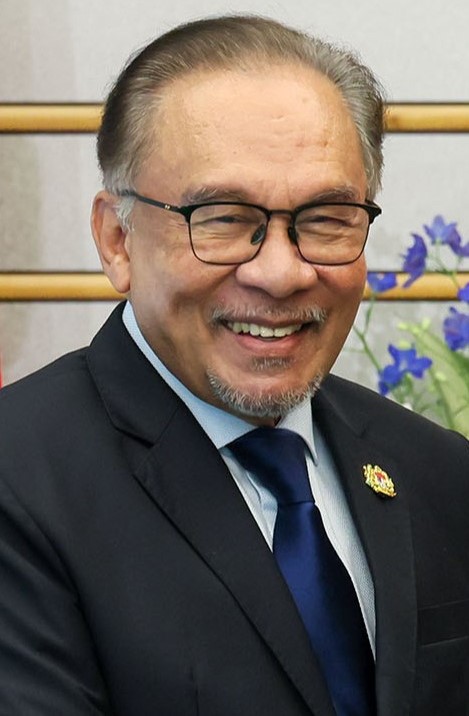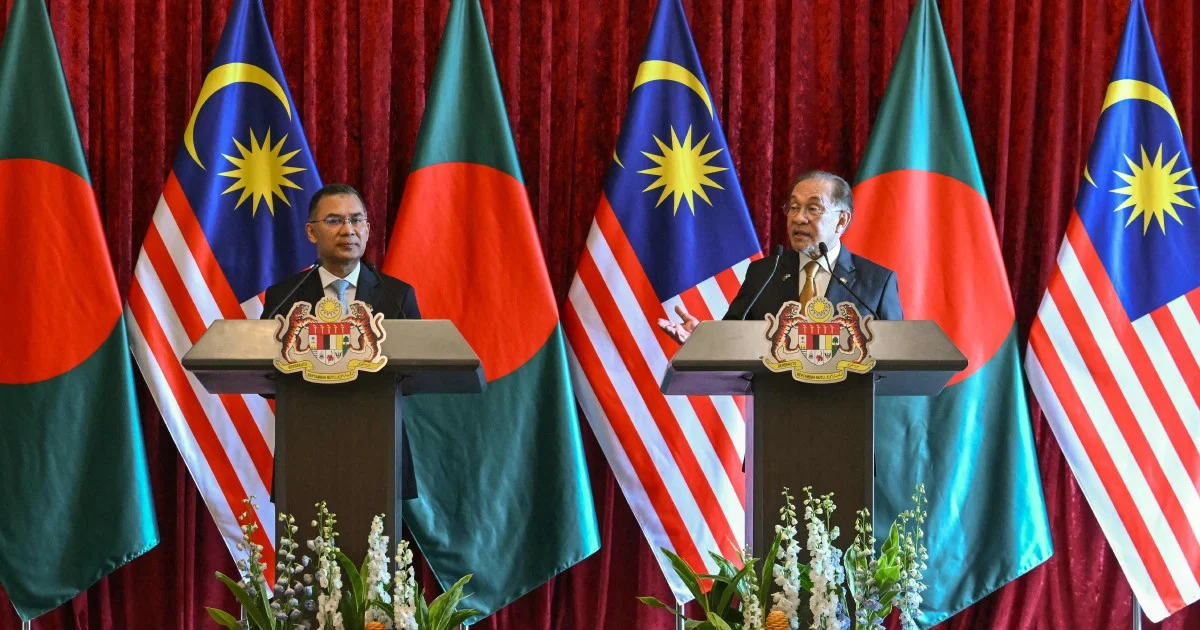
Prime Minister Datuk Seri Anwar Ibrahim has made a public commitment to eradicate the systematic exploitation of Bangladeshi migrant workers, framing their protection as integral to safeguarding Malaysia's broader economic interests and national development goals. The pledge comes amid persistent concerns about working conditions faced by foreign labourers across Malaysian industries, particularly in manufacturing, construction, and service sectors where Bangladeshi workers constitute a significant portion of the labour force.
Anwar's statement carries particular weight given Malaysia's substantial dependence on migrant labour to sustain its competitive advantage in regional manufacturing and infrastructure development. The Bangladeshi workforce has become deeply embedded within Malaysia's economic fabric, contributing to projects ranging from major construction sites to factory operations and domestic service roles. Without their participation, numerous sectors would face acute labour shortages that could derail scheduled projects and inflate operational costs for businesses reliant on cost-effective labour arrangements.
The emphasis on protecting these workers reflects a calculated shift in governmental messaging, moving beyond purely economic calculations to incorporate humanitarian and reputational concerns. Malaysia's international standing has faced scrutiny over labour practices, with persistent media reports documenting wage theft, unsafe working conditions, document confiscation, and restricted freedom of movement among migrant populations. Such exposure creates diplomatic friction with labour-sending countries and risks triggering trade complications or investment hesitations from international partners increasingly focused on corporate social responsibility metrics.
Anwar's framing suggests recognition that worker protection and economic prosperity need not exist as conflicting priorities. Rather, he appears to be constructing an argument that ensuring dignified employment conditions strengthens the migration system's sustainability by reducing worker grievances, improving productivity, and maintaining the political stability necessary for uninterrupted economic activity. This perspective represents a departure from purely transactional approaches to migrant labour that treat cost minimisation as the paramount concern.
The pledge implies forthcoming enforcement mechanisms and regulatory adjustments, though specific implementing details remain undisclosed at this stage. Potential approaches could include intensified workplace inspections, enhanced penalties for employer violations, improved whistleblower protections, and streamlined complaint mechanisms accessible to non-citizens unfamiliar with Malaysian bureaucratic systems. Each measure would require coordination across multiple government agencies—from labour departments to immigration authorities—suggesting structural reforms may accompany rhetorical commitments.
For Bangladeshi workers themselves, the statement carries dual significance. It signals potential improvements to working conditions that remain persistently difficult despite Malaysia's developed economy status. Yet it also reflects vulnerabilities inherent in their status as foreign nationals without full citizenship rights, making them dependent on governmental goodwill and political leadership prioritising their welfare. The promise's credibility ultimately hinges on implementation rigour and resource allocation sufficient to monitor employer compliance across dispersed worksites.
Regionally, Anwar's statement may influence bilateral labour arrangements between Malaysia and Bangladesh, particularly in contract negotiations and worker deployment protocols. Bangladesh, as a primary labour-exporting nation facing its own development pressures, maintains strategic interest in ensuring its citizens' safety abroad, as remittances constitute significant foreign exchange earnings. Visible commitment to worker protection may enhance Malaysia's attractiveness relative to competing destination countries, particularly among migrant populations seeking to work abroad while minimising exploitation risks.
The broader Southeast Asian context reveals similar labour dynamics across the region, with Myanmar, Laotian, and Cambodian workers facing comparable challenges in Thailand, Singapore, and other wealthy nations. Malaysia's approach—whether it translates genuine protection or remains performative—will likely influence policy discussions elsewhere, particularly as regional labour mobility continues accelerating amid demographic shifts and economic integration initiatives. Countries seeking to balance labour market needs against humanitarian commitments face comparable pressures that Anwar's pledge indirectly acknowledges.
Implementation challenges warrant careful attention. Enforcement across informal sectors, subcontracting networks, and domestic employment proves notoriously difficult in most countries, particularly when workers lack familiarity with complaint mechanisms and fear deportation consequences following formal complaints. Employer culture shifts—moving beyond perceiving migrant workers purely as cost items toward recognising them as individuals deserving dignity—require sustained engagement beyond regulatory frameworks. Training programmes, industry standards, and reputational incentives may prove as significant as legal penalties.
The economic dimension deserves emphasis: Malaysia's competitive positioning within global supply chains partly depends on labour cost advantages that migrant workers provide. However, this advantage becomes unsustainable if extracted through systematic exploitation generating international reputational damage, trade disputes, or supply chain diversification away from Malaysia. Protecting workers thus constitutes enlightened economic self-interest rather than pure altruism, positioning protection as compatible with, rather than opposed to, commercial viability.
Looking forward, monitoring the gap between promise and delivery will determine whether Anwar's commitment represents genuine policy transformation or political rhetoric deployed strategically. Worker advocacy organisations, diplomatic missions, and international labour standards bodies will likely scrutinise implementation details closely. For Malaysian policymakers navigating competing pressures from business lobbies and international expectations, sustaining protection initiatives requires institutional commitment extending beyond individual political leadership.
The underlying question remains whether Malaysia can construct labour arrangements that simultaneously meet economic requirements, respect human dignity, and maintain political stability across its diverse, increasingly multicultural society. Anwar's pledge suggests recognition that these objectives, properly pursued, need not remain mutually exclusive—a potentially significant recalibration in how Malaysia approaches its critical migrant worker populations.