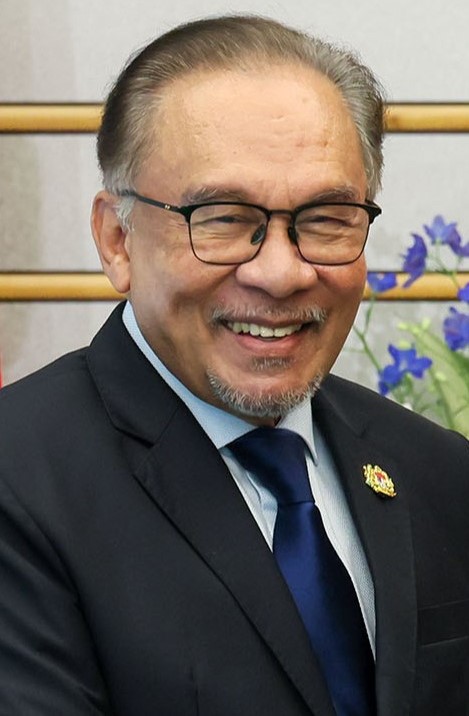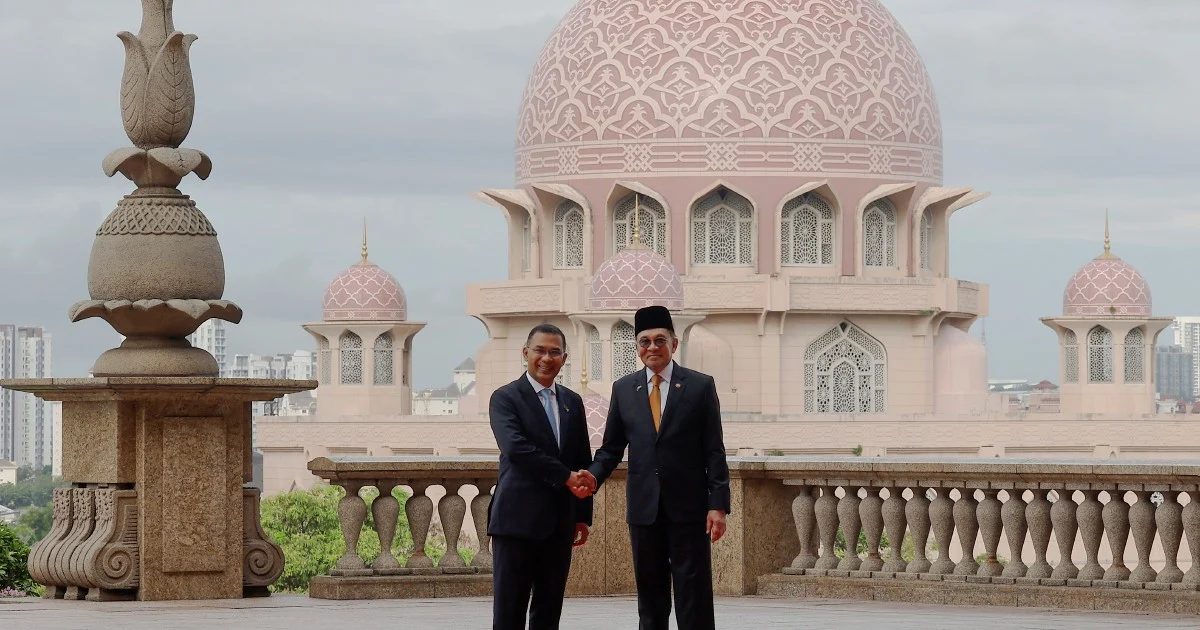
Prime Minister Anwar Ibrahim extended a ceremonial welcome to visiting Bangladesh Prime Minister Tarique Rahman at the Perdana Putra Complex in Putrajaya today, marking the beginning of a significant two-day bilateral engagement between the two South and Southeast Asian nations. The reception, featuring full official state protocol, underscores Malaysia's commitment to strengthening ties with Bangladesh, a nation of growing regional and global importance.
The formal welcome ceremony at the seat of Malaysia's federal administration reflects the diplomatic significance both governments place on this exchange. As the principal administrative hub for Malaysia's federal government, the Perdana Putra Complex serves as the appropriate venue for receiving heads of government on official state visits, signalling the elevated status of this engagement within the Malaysian diplomatic calendar.
Bangladesh and Malaysia maintain multifaceted relationships spanning trade, education, cultural exchange, and regional security cooperation. The presence of a Bangladeshi Prime Minister in Malaysia at this juncture carries particular weight given contemporary regional dynamics in South and Southeast Asia, where both nations face shared challenges relating to maritime security, sustainable development, and economic integration within the broader Asian framework.
The two-day itinerary planned for Rahman's visit encompasses substantive bilateral discussions aimed at exploring expanded cooperation across various sectors. High-level meetings between the two governments typically address trade enhancement, investment opportunities, labour cooperation, and the status of their respective diaspora communities within each other's territories.
Malaysia's significant Bangladeshi expatriate population, comprising migrant workers across manufacturing, construction, and service sectors, forms an important economic and social bridge between the two nations. Such visits frequently include commitments to improving the welfare and protection of workers, addressing remittance facilitation, and enhancing employment standards and workplace safety.
Educational partnerships represent another dimension of bilateral cooperation likely to feature prominently in Rahman's discussions with Malaysian counterparts. Malaysian universities have attracted substantial numbers of Bangladeshi students across various disciplines, fostering academic and cultural linkages that extend beyond individual academic pursuits to broader people-to-people connections.
Regional organisations provide additional platforms for Bangladesh-Malaysia engagement. Both nations participate actively in forums such as ASEAN Regional Forum, East Asia Summit, and various sub-regional groupings, where they coordinate positions on matters ranging from maritime disputes to climate change adaptation and disaster management. Such multilateral engagement frequently complements bilateral discussions, allowing nations to align approaches on issues of mutual concern.
The timing of Rahman's official visit potentially reflects evolving geopolitical considerations in the Indo-Pacific region, where both Bangladesh and Malaysia seek to maintain balanced relationships while advancing national interests. Economic cooperation, particularly in sectors such as halal products, Islamic finance, and manufacturing, remains fertile ground for bilateral partnership, benefiting from both nations' strengths in respective domains.
Infrastructure development and technology transfer constitute emerging areas where both governments identify potential collaboration. Bangladesh's substantial infrastructure demands and Malaysia's technological expertise and experience in development projects create complementary opportunities for partnership that could extend Malaysian involvement in Bangladesh's developmental agenda whilst generating commercial opportunities for Malaysian enterprises.
Cultural and religious dimensions of bilateral relations warrant consideration given both nations' significant Muslim populations and shared Islamic heritage. Cooperation in areas such as Islamic education, Quranic studies, and halal certification standards reflects this common ground whilst promoting mutual understanding at the civilisational level beyond conventional state-to-state diplomatic frameworks.
Rahman's visit also carries symbolic weight as an affirmation of Malaysia's commitment to maintaining strong relationships across South Asia whilst simultaneously anchoring itself within Southeast Asian institutions and frameworks. This balancing act remains central to Malaysian foreign policy, requiring consistent engagement with major South Asian powers whilst preserving ASEAN cohesion and centrality in regional architecture.
The forthcoming discussions between Rahman and Anwar will likely generate bilateral statements or joint communiques outlining areas of renewed commitment and establishing timelines for implementing agreed initiatives. Such documents typically serve as blueprints for deepening cooperation across mutually identified priority sectors during the succeeding period until the next high-level exchange.