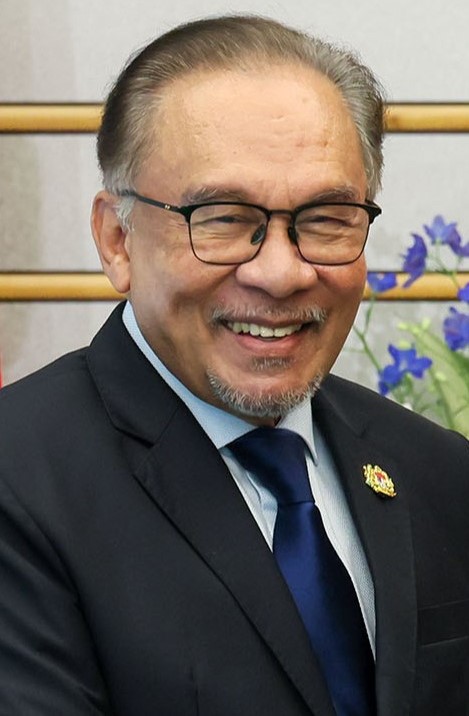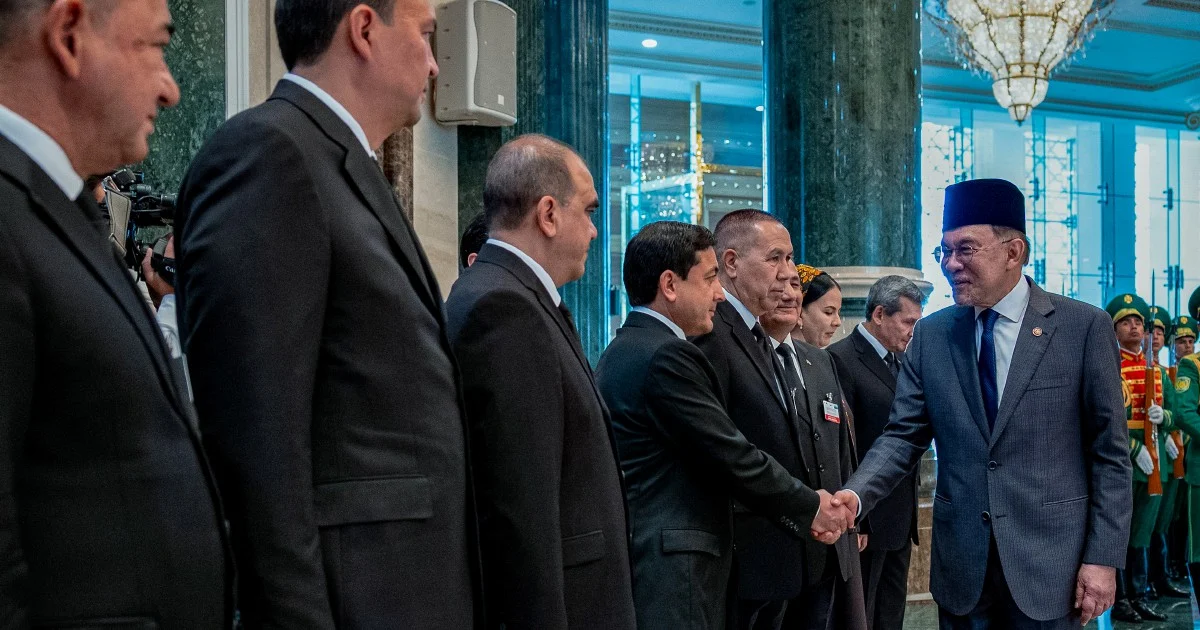
Prime Minister Datuk Seri Anwar Ibrahim's sustained engagement with international counterparts is emerging as a cornerstone strategy for revitalising Malaysia's economic fortunes at a time when the global landscape remains fractured by competing interests and trade tensions. Academic observers increasingly view the administration's active diplomacy as instrumental in unlocking fresh avenues for bilateral and multilateral cooperation that could translate into tangible economic gains for the nation.
The geopolitical environment confronting Malaysia presents both formidable challenges and untapped opportunities. The traditional pillars of Southeast Asian prosperity—open trade routes, foreign direct investment, and stable supply chains—face mounting pressure from strategic rivalries between major powers and the fragmentation of formerly integrated economic blocs. In this context, Anwar's emphasis on maintaining cordial relationships across multiple diplomatic fronts is not merely ceremonial; it represents a pragmatic adaptation to an era where economic security increasingly hinges on the quality and breadth of a country's international partnerships.
Malaysia's economic resilience has historically depended on its ability to attract multinational corporations seeking regional hubs for manufacturing, logistics, and technology operations. The current administration recognises that preserving and expanding this competitive advantage requires consistent diplomatic engagement. By positioning Malaysia as a neutral, reliable, and forward-thinking partner, Anwar's approach aims to convince global investors that the nation remains a sanctuary for commerce even as tensions mount elsewhere in the world.
The Prime Minister's diplomatic calendar reflects a deliberate strategy of engagement across diverse geopolitical groupings. Rather than aligning exclusively with any single bloc, Malaysia under Anwar's leadership has sought to maintain productive relationships with both traditional Western partners and rising economic powers in Asia. This balanced approach is particularly relevant for a country whose prosperity rests on interconnectedness and whose population depends on the benefits flowing from integrated regional and global supply chains.
Trade and investment patterns underscore the material significance of diplomatic capital. Foreign investors weigh stability, predictability, and the quality of government-to-business relationships when allocating resources. A Prime Minister actively engaged in international forums and bilateral meetings sends a credible signal about a government's commitment to creating an attractive operating environment. Such signals, when sustained consistently, can influence decisions affecting billions of ringgit in capital flows.
Malaysia's particular vulnerability to external economic shocks makes diplomatic skill especially valuable. As a trading nation with limited domestic resource bases, the country cannot afford isolation or the perception of unreliability. The semiconductor sector, which has become increasingly central to Malaysia's manufacturing base, depends entirely on integration into global supply chains and technology partnerships that flourish only when diplomatic relationships are secure. Similar considerations apply to the financial services sector, which benefits from Malaysia's positioning as a bridge between Islamic finance and conventional banking systems—a role that requires active diplomatic maintenance.
Anwar's engagement with regional bodies such as ASEAN, his participation in international economic forums, and his bilateral visits collectively constitute an investment in Malaysia's soft power and economic diplomacy. These activities generate intangible but crucial assets: goodwill from trading partners, understanding of Malaysia's policy priorities, and informal channels through which business obstacles can be addressed before they escalate into formal disputes.
The timing of this diplomatic emphasis is particularly significant. Global economic uncertainty has heightened the premium on countries perceived as stable and well-managed. Malaysia's ability to project competence and consistency through its diplomatic representatives can prove decisive in competitions for investment that often come down to marginal differences between otherwise comparable jurisdictions. A Prime Minister widely perceived as capable and engaged abroad strengthens the hand of Malaysian negotiators in trade discussions and investment pitches.
Yet diplomatic efforts alone cannot generate economic growth. The effectiveness of Anwar's international engagement ultimately depends on complementary domestic reforms—investment in education, infrastructure development, regulatory efficiency, and anti-corruption measures. Diplomacy opens doors; what Malaysia does internally determines whether it can capitalise on opportunities that diplomatic relationships create.
The academic perspective highlighting the connection between diplomatic effort and economic outcomes reflects a broader recognition that Malaysia cannot be passive in the current environment. Geopolitical shifts, trade realignments, and technological disruption demand active statecraft. By positioning himself as an engaged international actor, Anwar signals to both foreign investors and the Malaysian public that the administration understands the economic imperatives of the contemporary moment.
Looking forward, the sustainability of these diplomatic dividends will depend on consistency. One-off visits and rhetoric produce minimal benefit; what matters is demonstrating through repeated engagement and follow-through that Malaysia merits the trust of international partners. The administration's challenge lies in converting diplomatic momentum into concrete agreements on trade facilitation, investment promotion, and technology partnerships that yield measurable economic returns for ordinary Malaysians.