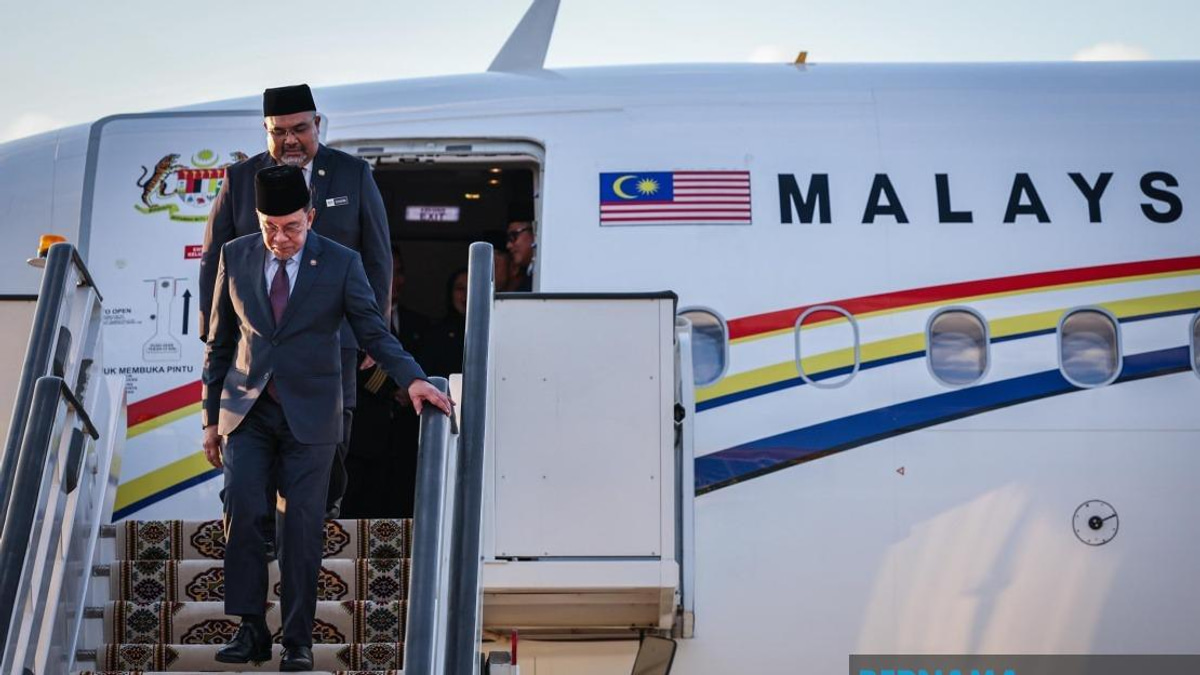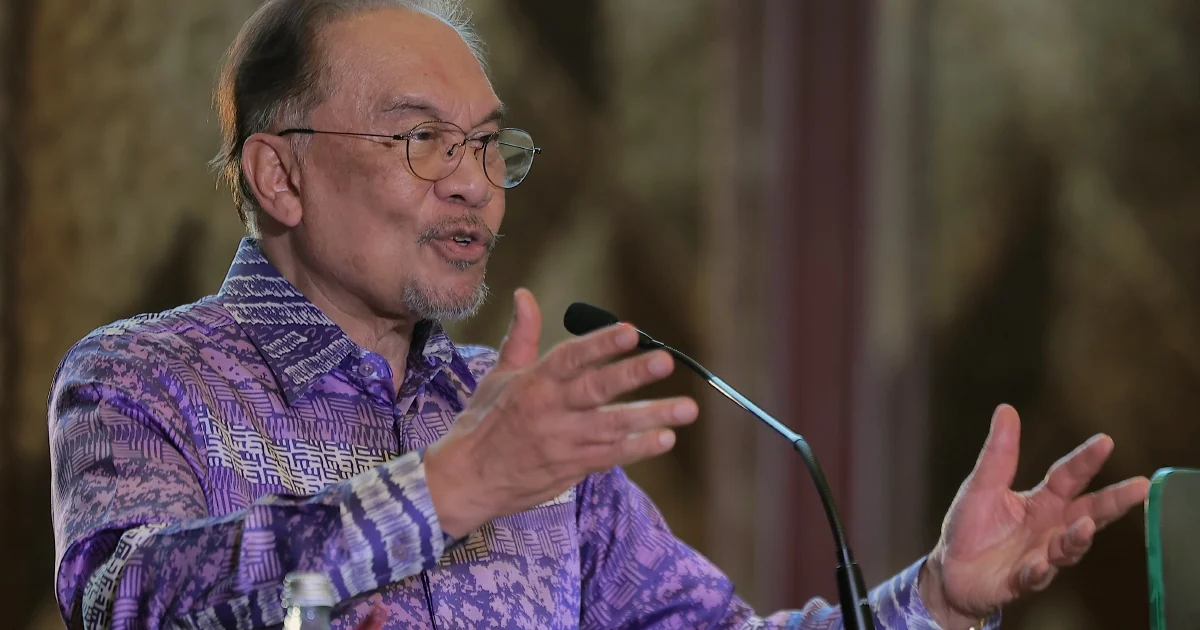
Prime Minister Datuk Seri Anwar Ibrahim is set to undertake a two-day working visit to Kazan starting June 17, marking a significant diplomatic engagement aimed at expanding Malaysia's strategic footprint in Russia and enhancing Asean's broader relationship with Moscow. During his stay in the capital of the Republic of Tatarstan, Anwar will hold substantive meetings with Rais of the Republic of Tatarstan Rustam Minnikhanov, according to diplomatic officials who have underscored the importance of this engagement at a time when regional powers are recalibrating their geopolitical positioning.
The timing of Anwar's visit carries particular weight given Malaysia's current role within regional frameworks and the country's efforts to maintain balanced relations across major powers. The Prime Minister's diplomatic mission to Kazan reflects Kuala Lumpur's recognition that Russia remains an influential actor in global and regional affairs, despite international sanctions and geopolitical tensions. By engaging directly with Russian leadership at both federal and regional levels, Malaysia seeks to position itself as a constructive bridge-builder within Asean that can pursue pragmatic partnerships without compromising its regional obligations or international commitments.
Rustam Minnikhanov, a veteran administrator who has led Tatarstan for over two decades, represents the sophisticated regional governance structure within the Russian Federation. As head of one of Russia's most economically dynamic regions, Minnikhanov oversees an important center of trade, manufacturing, and technological development. The choice of Kazan as a venue for Anwar's visit signals Malaysia's interest in exploring cooperation beyond Moscow's political establishment, potentially opening avenues for business partnerships, cultural exchange, and people-to-people connectivity at the regional level.
From Malaysia's perspective, strengthening bilateral ties with Russia addresses several strategic considerations. Russian involvement in Southeast Asian affairs—whether through energy markets, defense cooperation, or diplomatic channels—remains consequential for the region's security architecture. Malaysia, as a major regional economy and an Asean member state, benefits from maintaining constructive relations that allow it to pursue independent foreign policy while avoiding isolation or excessive dependence on any single power. The visit provides an opportunity to articulate Malaysia's interests across sectors ranging from trade and investment to cultural and academic partnerships.
The broader context of Asean-Russia relations shapes the significance of Anwar's mission. Asean has long pursued a policy of strategic autonomy, engaging with major powers while maintaining collective regional cohesion. However, divergences among Asean member states on how to approach Russia—particularly following geopolitical developments in recent years—have complicated consensus-building within the bloc. Malaysia's diplomatic efforts can contribute to refining Asean's approach by fostering dialogue at multiple levels and demonstrating that engagement with Russia is compatible with Asean's traditional values of non-alignment and pragmatic cooperation.
Economic dimensions likely feature prominently in discussions between Malaysian and Tatarstan officials. Russia's economy, despite external pressures, remains integrated into global supply chains across certain sectors. Tatarstan, in particular, has developed expertise in petrochemicals, aerospace, information technology, and automotive industries. Malaysian companies operating in these sectors or seeking diversified supply chain partners may find valuable opportunities through enhanced bilateral mechanisms and trade facilitation measures that could emerge from high-level engagement.
Cultural and people-to-people exchanges represent another layer of Anwar's diplomatic outreach. Malaysia's Muslim-majority population has historical and contemporary connections with Russian society, including educational partnerships and professional networks. Strengthening these human connections can generate goodwill and mutual understanding that transcends political contingencies. Anwar's visit may yield agreements on scholarship programs, university partnerships, and cultural initiatives that deepen societal-level ties between the two nations.
For Russia, receiving the Malaysian Prime Minister during a period of international pressure demonstrates continuing diplomatic relevance and the willingness of significant Asia-Pacific nations to maintain engagement. Kazan's selection also signals Russia's strategy of strengthening ties with its Asian neighbors and showcasing the vitality of its regions beyond Moscow. From Russia's standpoint, deepening relations with Malaysia can contribute to countering isolation narratives and presenting itself as a nation capable of maintaining normal diplomatic and economic relations with diverse partners.
The security dimension of Malaysia-Russia relations warrants consideration as well. While not traditionally a military alliance, the two countries maintain defense contacts and have explored cooperation in maritime security, counterterrorism, and intelligence sharing. A working visit at the Prime Minister level provides opportunity to review these mechanisms and potentially identify new areas of security cooperation aligned with both nations' interests in regional stability and combating transnational threats.
Anwar's diplomatic mission to Kazan unfolds against a backdrop of intensifying great power competition in the Indo-Pacific region. Malaysia, like other Southeast Asian nations, faces pressure to choose sides in emerging strategic divides. By pursuing substantive engagement with Russia through high-level diplomatic channels, Anwar demonstrates that Malaysia can maintain an independent foreign policy that serves national interests while remaining committed to Asean solidarity and international law. The visit exemplifies the multilayered diplomatic engagement Southeast Asian leaders must maintain in an increasingly complex geopolitical environment.