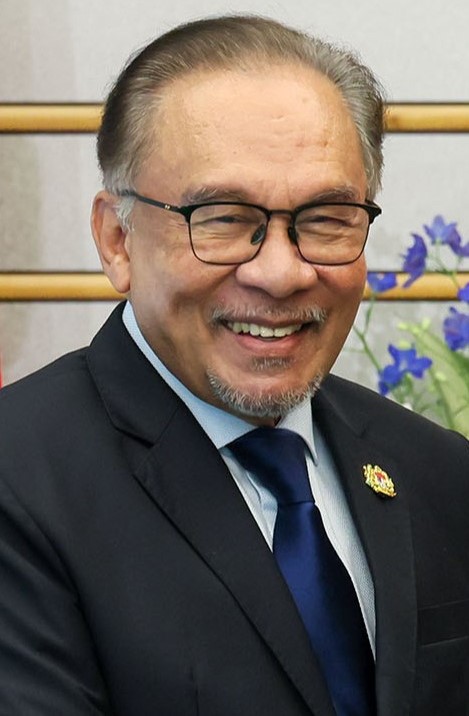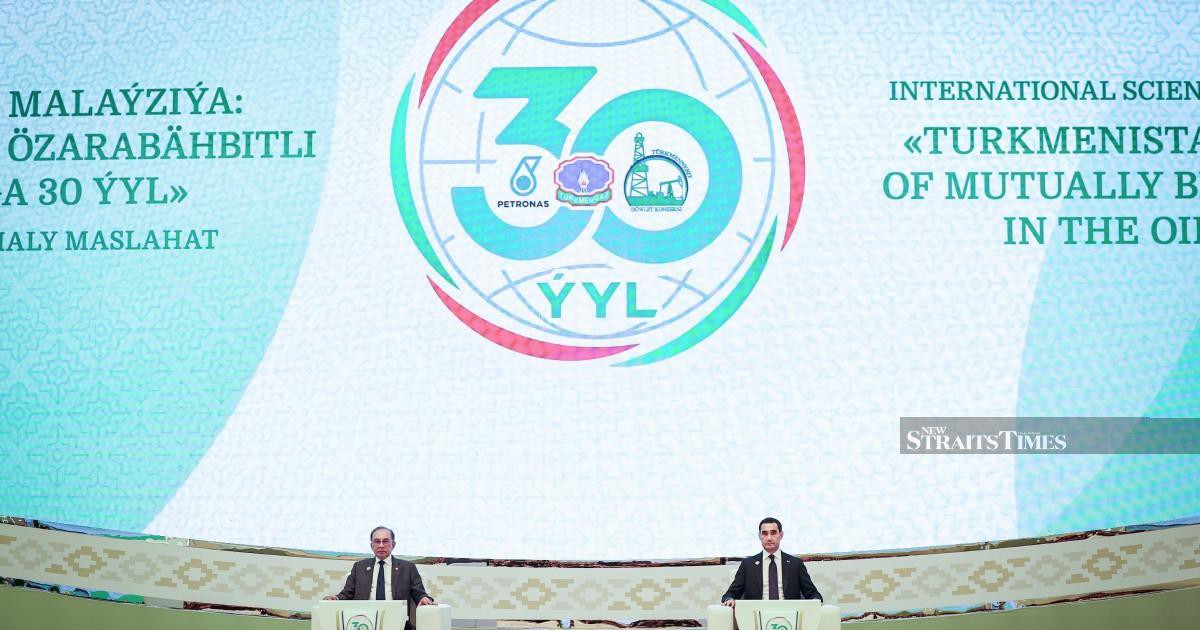
Prime Minister Datuk Seri Anwar Ibrahim's recent tour of Russia and Turkmenistan has delivered tangible outcomes for Malaysia's energy security strategy, marking a significant diplomatic achievement in an increasingly complex global energy landscape. The visits represent more than ceremonial state functions—they embody a calculated effort to establish strategic partnerships with hydrocarbon-rich nations at a moment when traditional energy suppliers face mounting geopolitical pressures.
Malaysia's decision to engage directly with both Moscow and Ashkhabad reflects a broader reorientation of the country's foreign policy toward pragmatic economic partnerships, regardless of broader international tensions. This approach mirrors the nation's longstanding foreign policy principle of maintaining balanced relationships across competing blocs, though the current geopolitical environment presents fresh challenges and opportunities. By positioning itself as a serious interlocutor for energy deals with suppliers outside traditional Western-aligned circles, Kuala Lumpur is signalling to international markets that it pursues national interests with flexibility and strategic intent.
The significance of cultivating ties with Russia's vast oil and natural gas reserves cannot be overstated, particularly given Southeast Asia's heavy dependence on energy imports. Malaysia itself produces oil and gas, yet faces gradual depletion of onshore and nearshore reserves. Establishing cooperative frameworks with Russian energy producers could provide access to reserves at competitive terms and potentially diversify supply routes away from Middle Eastern sources that dominate regional import patterns. Such arrangements would strengthen Malaysia's negotiating position with other suppliers and reduce vulnerability to supply shocks in any single region.
Turkmenistan's role in this emerging partnership structure deserves equal attention. The Central Asian nation sits atop substantial natural gas reserves and serves as a critical transit point for energy moving toward Asia. Strengthened bilateral relations could position Malaysian companies to participate in upstream production ventures or downstream infrastructure projects. For Turkmenistan, Malaysian engagement offers economic diversification opportunities and an alternative marketplace for its hydrocarbon exports, particularly relevant as geopolitical realignments reshape traditional energy trade patterns in Eurasia.
The timing of these diplomatic missions carries particular weight within the context of global energy market volatility. Elevated prices, supply constraints following various international sanctions regimes, and the accelerating energy transition create both pressure and opportunity for energy-importing nations. Malaysia, as a growing industrial economy with substantial petrochemical and manufacturing sectors, faces rising energy demand that must be satisfied reliably and at manageable cost. Strategic partnerships with new suppliers provide hedging mechanisms against price spikes and supply disruptions that could undermine economic competitiveness.
Beyond immediate energy considerations, these visits strengthen Malaysia's position within broader regional geopolitics. ASEAN's traditional emphasis on non-interference and constructive engagement has increasingly come under strain as great-power competition intensifies. By maintaining independent diplomatic channels with major energy producers across different geopolitical alignments, Malaysia demonstrates the region's capacity to pursue interests autonomously. This approach validates ASEAN's institutional philosophy and reinforces Southeast Asian relevance in determining outcomes that affect continental stability.
The commercial dimensions of these partnerships warrant careful scrutiny. Energy cooperation agreements typically involve complex financing arrangements, long-term supply contracts, and infrastructure investments that create binding interdependencies between nations. Malaysian firms would benefit from participation in these ventures, whether through joint ventures in production, participation in pipeline construction, or involvement in liquefied natural gas projects. Such engagement generates employment, technology transfer, and valuable expertise that extends Malaysian capabilities across the energy value chain.
Challenges inevitably accompany such partnerships, requiring sophisticated policy management. International sanctions regimes targeting Russia create legal and financial complexities that Malaysian institutions must navigate carefully. Participation in energy projects with sanctioned entities involves reputational considerations and potential secondary sanctions exposure that necessitates robust legal frameworks and interagency coordination. The government must balance commercial opportunities against regulatory compliance requirements and international obligations, a balancing act requiring meticulous attention to detail.
The strategic significance of energy independence increasingly intersects with Malaysia's aspirations toward becoming a high-income nation and achieving carbon neutrality by 2050. Any new energy partnerships must align with longer-term climate commitments and support the transition toward renewable sources. This suggests that while securing additional conventional hydrocarbon supplies remains important for near-term economic stability, Malaysia must simultaneously accelerate renewable energy development and pursue energy efficiency improvements. A comprehensive approach integrating fossil fuel security with green energy investment demonstrates mature strategic thinking.
These diplomatic achievements underscore Malaysia's capability to function as an independent actor in international affairs, capable of negotiating with powerful nations across ideological divides. The visits deliver concrete benefits—enhanced energy security prospects, commercial opportunities for Malaysian enterprises, and reinforced standing as a significant Southeast Asian power. Looking forward, successful execution of negotiated agreements and effective management of associated complexities will determine whether these initial breakthroughs translate into enduring partnerships that contribute meaningfully to Malaysia's long-term economic and strategic interests.
The broader implications extend across Southeast Asia, where energy security remains a foundational concern for regional stability and prosperity. Malaysia's proactive engagement with diversified suppliers establishes a template for regional nations seeking to secure reliable energy access amid global turbulence. Should these partnerships yield substantial benefits, neighbouring countries will likely pursue similar strategies, further entrenching Southeast Asia's role as a significant actor in reshaping global energy arrangements during a period of profound geopolitical realignment.