%22%2F%3E%3C%2Fpattern%3E%3C%2Fdefs%3E%3Crect%20width%3D%22100%25%22%20height%3D%22100%25%22%20fill%3D%22url(%23ph3ir37g)%22%2F%3E%3Crect%20width%3D%22100%25%22%20height%3D%22100%25%22%20fill%3D%22url(%23ph3ir37p)%22%2F%3E%3Ctext%20x%3D%2250%25%22%20y%3D%2250%25%22%20text-anchor%3D%22middle%22%20dominant-baseline%3D%22central%22%20fill%3D%22rgba(255%2C255%2C255%2C0.95)%22%20font-family%3D%22Georgia%2C%20'Times%20New%20Roman'%2C%20serif%22%20font-weight%3D%22700%22%20font-size%3D%22272%22%20letter-spacing%3D%22-0.02em%22%3EAnwar%3C%2Ftext%3E%3C%2Fsvg%3E)
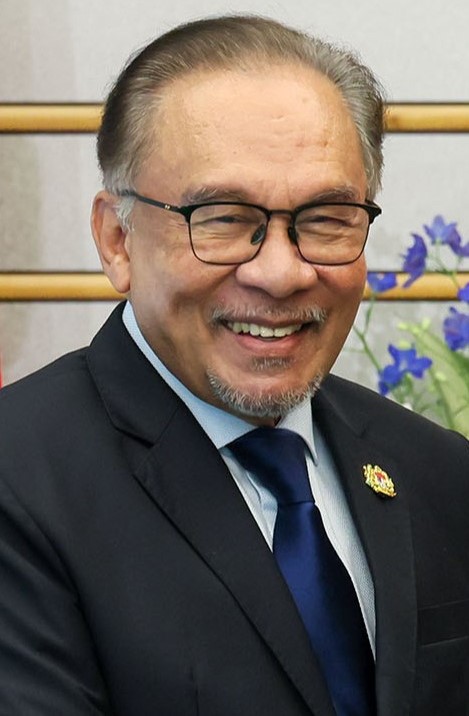
Prime Minister Datuk Seri Anwar Ibrahim is returning to Johor for a second time in as many days, a schedule that reflects the federal administration's intensifying push to secure victory in the state election. The frequency of his visits to the southern state indicates how critical Johor has become to the broader political calculations of the ruling coalition heading into the electoral contest.
Anwar's rapid movement between Kuala Lumpur and Johor Bahru demonstrates the heavyweight commitment being deployed by the federal government in this particular battleground. Such concentrated attention from the nation's chief executive is rarely deployed casually in Malaysian electoral politics. The Prime Minister's presence on the ground serves multiple strategic purposes: it signals to party members that the leadership takes the contest seriously, provides momentum to campaign machinery at the grassroots level, and allows him to directly engage with voters on issues that matter most to the state's electorate.
Johor's political significance extends well beyond its position as Malaysia's second-largest state by economic output. The state has historically served as a bellwether for national political sentiment, with its electoral outcomes often foreshadowing shifts in the broader political landscape. A decisive government victory here would provide substantial validation for Anwar's administration and its policy direction. Conversely, any loss of ground would raise uncomfortable questions about the coalition's grip on power and its capacity to govern effectively.
The state's demographic composition and economic structure present distinct campaigning challenges and opportunities. Johor is home to a diverse population spread across urban centres, industrial zones, and rural areas, each with different priority concerns ranging from economic opportunities and employment to education and social services. This diversity requires tailored messaging that can resonate across different communities and constituencies simultaneously, a complexity that necessitates senior leadership visibility and engagement.
The election campaign itself reflects broader fault lines in Malaysian politics. The coalition government must defend its record while addressing public expectations for improved living standards, better infrastructure, and more transparent governance. Opposition parties are simultaneously seeking to capitalise on any discontent and position themselves as agents of change. In this environment, the Prime Minister's personal participation becomes a tool for anchoring public confidence in the government's vision and competence.
Johor's economic trajectory adds another layer to the electoral calculus. The state has experienced uneven development patterns, with certain regions flourishing while others struggle with limited economic diversification. Issues concerning job creation, skills development, and attracting high-value industries to complement traditional sectors like manufacturing and palm oil processing are likely to feature prominently in campaign discourse. The government's ability to articulate a credible plan for inclusive and sustainable growth could influence electoral outcomes significantly.
Anwar's itinerary also reflects the coalition's understanding that victory requires not merely winning votes but mobilising supporters and reinforcing party organisational structures on the ground. Repeated high-level visits create opportunities for the Prime Minister to directly address party machinery, resolve internal disputes, and ensure that the electoral apparatus functions efficiently at all levels. Such grassroots coordination is often as important as national messaging in determining electoral outcomes.
The second visit within three days carries psychological weight as well. It signals to supporters that the government is not merely going through the motions but is genuinely committed to securing Johor. This kind of sustained engagement can energise party workers, boost morale among candidates, and create a sense that momentum is building in the government's favour. Conversely, it might heighten opposition efforts in response, setting the stage for an intensely competitive electoral battle.
For Malaysian voters, particularly those in Johor, the heightened campaign activity means increased political engagement at the local level. Town halls, community forums, and direct interactions with elected officials and candidates become more frequent. This provides opportunities for voters to voice concerns directly to decision-makers and hold politicians accountable for their commitments. The quality of such engagement often shapes how effectively elected representatives subsequently serve their constituencies.
The broader Southeast Asian context adds further importance to the outcome. Malaysia's political stability and the ability of its democratic institutions to accommodate peaceful transfers of power or maintain stable governance underpin the country's attractiveness as an investment destination and its influence in regional affairs. Electoral contests that proceed smoothly and result in clear mandates strengthen Malaysia's democratic credentials, while contested outcomes can create uncertainty.
Looking ahead, the intensity of the campaign in Johor is likely to increase further as election day approaches. Both the government coalition and opposition parties will continue deploying senior figures to engage voters, with each side attempting to articulate a compelling vision for the state's future. For Anwar, continued visibility in Johor is essential to maintaining momentum and demonstrating that the federal government remains engaged with the concerns of citizens in Malaysia's most developed state economy.