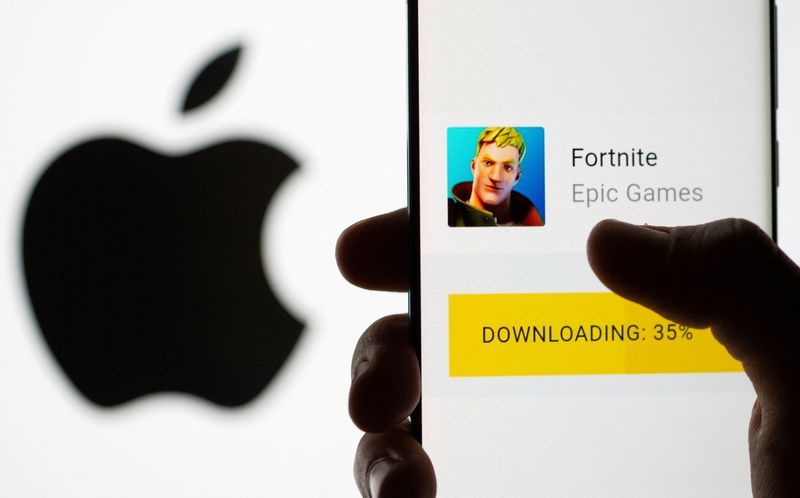
The US Supreme Court has stepped into one of the technology industry's most consequential regulatory disputes, accepting Apple's petition to challenge a contempt of court ruling stemming from the iPhone maker's alleged failure to comply with orders reshaping its App Store business model. The decision, announced on Tuesday, sets the stage for the nation's highest court to review how strictly Apple must adhere to judicial mandates requiring it to open its platform to alternative payment systems. The case is expected to be argued during the Court's next term beginning in October, with implications that could reshape how millions of consumers make app purchases globally.
At the heart of the dispute lies a 2020 lawsuit filed by Cary, North Carolina-based Epic Games, the company behind the enormously popular game Fortnite, challenging Apple's monopolistic control over how applications distribute their software and process financial transactions on iPhones and iPads. Epic's legal assault targeted the fundamental economics of Apple's ecosystem, where the company historically demanded a 30 percent commission on digital purchases made through apps distributed via the App Store. The lawsuit represented one of the first serious attempts to dislodge Apple's control over iOS commerce, triggering broader regulatory scrutiny across multiple jurisdictions including Europe and Asia.
While Oakland-based US District Judge Yvonne Gonzalez Rogers ultimately ruled largely in Apple's favour in 2021, she did impose one critical restriction: Apple had to permit developers to include links within their applications directing users to third-party payment systems outside the App Store's ecosystem. This injunction aimed to create a workaround in Apple's walled garden, giving consumers choices Apple had previously forbidden. For most companies, such a court order would represent a significant business concession. For Apple, it became the flashpoint for an ongoing legal and philosophical clash over the extent to which tech platforms can be regulated.
Apple's response to the injunction revealed the company's determination to retain as much financial control as possible within the constraints imposed by the court. Rather than eliminating its commission entirely, Apple introduced what it called a "27 percent commission structure" for transactions originating from links to external payment systems—a reduction from the standard 30 percent, but still a substantial percentage that Apple could extract from developers choosing to escape the App Store's payment processing. This manoeuvre was ostensibly compliant with the letter of Judge Rogers's order while appearing to violate its spirit, since developers who directed customers to cheaper alternative payment methods outside the App Store would still face nearly identical costs.
Epic Games immediately challenged this workaround, arguing that Apple had fundamentally misinterpreted and deliberately subverted the court's intent. The company contended that the 27 percent commission rendered the alternative payment pathway economically meaningless for most developers, since they would earn almost nothing from having customers use external systems. In early 2025, Judge Rogers agreed with this assessment and found Apple in civil contempt for violating her injunction. This finding carried significant implications—it suggested that a major technology corporation had deliberately flouted a direct court order, a serious matter that could invite stricter enforcement and heftier penalties.
The San Francisco-based 9th US Circuit Court of Appeals, which covers California and the western United States, reviewed the contempt finding in December and largely upheld Judge Rogers's decision. However, the appellate court allowed Apple to present additional arguments in the district court regarding what commission rate might legitimately be charged under the original injunction for digital goods purchased through alternative payment systems. This opening represented a potential lifeline for Apple, offering the possibility that a different judge or a revised interpretation could validate a commission structure somewhere between zero and 30 percent. Apple has not yet initiated these new arguments in Oakland district court.
Apple's Supreme Court petition reframes the dispute in sweeping terms that extend far beyond the specific disagreement with Epic Games. The company argues that Judge Rogers's injunction should not automatically apply to millions of other developers who were not parties to the original lawsuit. This argument carries significant weight in legal circles, where there is genuine debate about whether judicial orders should bind non-parties. Apple suggests that such broad application could create chaos in the app ecosystem, as developers worldwide would scramble to comply with varying interpretations of the ruling. The company has emphasised to the Supreme Court that "regulators around the world are watching this case to determine what commission rate Apple may charge on covered purchases in huge markets outside the United States," underscoring how the dispute transcends American law.
For Southeast Asian technology companies and consumers, this case holds particular relevance. The App Store generates enormous revenues across the region, with millions of users in Malaysia, Singapore, Indonesia, and the Philippines making regular in-app purchases. If Apple's appeal succeeds, the company would likely maintain its current commission structure globally, including throughout Southeast Asia. If the Supreme Court affirms the lower courts' findings, the company might face pressure to reduce its commissions or allow alternative payments in other major markets, potentially lowering app prices and generating more revenue for regional developers. The decision will also influence how quickly other Asian regulators move against Apple's business practices.
The core legal tension animating the case revolves around the boundaries of corporate compliance with judicial orders. Apple contends it has technically obeyed Judge Rogers's injunction by permitting links and offering a reduced commission. Epic and the courts have countered that genuine compliance requires creating a meaningful economic incentive for developers to offer these alternatives. This philosophical disagreement touches on fundamental questions about how aggressively courts should police corporate behaviour when companies use technical loopholes to evade the spirit of judicial rulings. The Supreme Court will ultimately decide whether Apple's 27 percent commission passes legal muster or whether the company must eliminate its commission entirely on alternative payment transactions.
The litigation also reflects broader tensions between technology companies and governments worldwide. Apple's argument that injunctions should bind only the original plaintiff in a lawsuit would typically have significant weight in contract and business law. However, antitrust cases occupy different legal terrain, where courts sometimes impose industry-wide remedies affecting all market participants. The Supreme Court must balance Apple's concerns about fairness and legal clarity against the need to prevent the company from engineering its way around antitrust remedies through technical compliance strategies. The October hearing will provide an opportunity for the company to present its most sophisticated legal arguments to justices who have historically shown some sympathy to corporate interests in commercial disputes.
The broader significance of the case extends beyond Apple and Epic Games to encompass fundamental questions about how digital platforms will be regulated in the coming decade. If the Supreme Court sides with Apple, technology companies will face reduced pressure to open their ecosystems to competition. If the court affirms the lower courts, a new era of regulated platform business could accelerate, with significant implications for how tech companies monetise their services globally. For Malaysian technology entrepreneurs and consumers, the outcome will likely determine whether app-based businesses can escape the 30 percent tax that major platforms currently impose on digital commerce.

