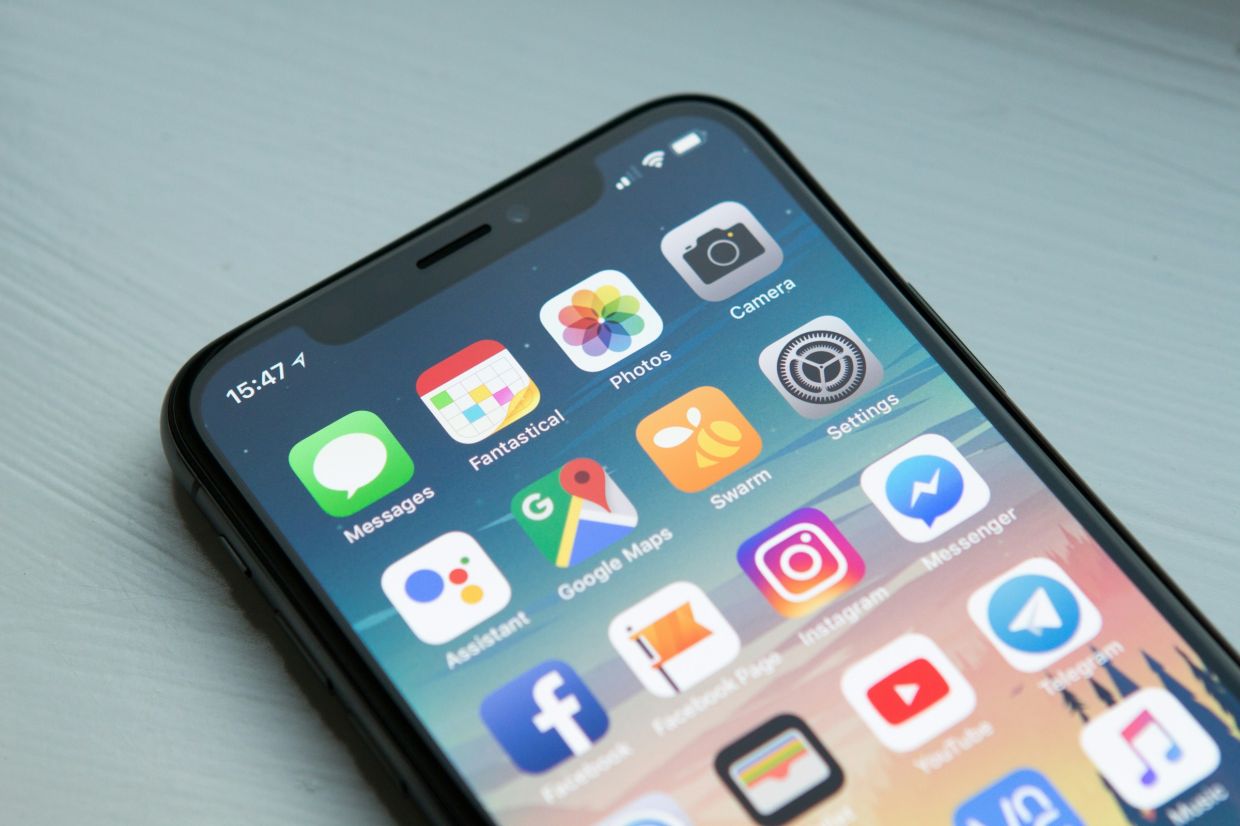
Apple's much-publicized privacy protections have encountered a significant vulnerability that threatens to expose the real IP addresses of users who pay for the company's premium iCloud+ service and its Private Relay feature. The flaw was brought to light by security researchers Talal Haj Bakry and Tommy Mysk, who identified three separate defects in WebKit, the browser engine that Apple mandates for all iOS applications. These weaknesses can cause DNS leaks and reveal device IP addresses on certain websites, effectively bypassing the privacy guarantees that users believe they are purchasing.
The implications of this discovery extend beyond Apple's own services. Because App Store regulations require every iOS browser to utilise WebKit, the vulnerability potentially affects multiple applications, including alternative browsers like Tor Browser and Psylo, the private browser developed by the researchers themselves. This systemic requirement means that no iOS browser can fully circumvent the underlying problem without Apple addressing the core issue. The researchers initially identified the problem when a Psylo user reported unexpected DNS leaks on particular websites, prompting a deeper investigation that uncovered the connection to Apple's own privacy infrastructure.
The irony of the situation lies in its origins: the vulnerability stems from the implementation of passkeys, a security measure that Apple itself promotes as more secure than traditional passwords. When users authenticate using passkeys, their devices must send requests outside the browser environment to complete the verification process. This bypass mechanism, designed to enhance security, inadvertently circumvents the Private Relay's protective layers entirely. Passkeys function as cryptographic credentials that eliminate the need for rememberable passwords, but their operation creates a technical exception that exposes the very information that Private Relay is supposed to conceal.
Private Relay represents Apple's answer to growing privacy concerns that have shaped consumer expectations around digital security. Introduced in 2021 and available exclusively to iCloud+ subscribers, the service employs a two-relay architecture designed to prevent any single entity, including Apple itself, from simultaneously knowing both a user's identity and their browsing activities. The system essentially encrypts and routes user traffic through multiple intermediaries, creating a privacy shield that distinguishes it from basic browsing protections. However, the newly discovered flaw demonstrates that no matter how sophisticated the underlying architecture, implementation gaps can render such protections ineffective.
Understanding IP addresses and their significance helps contextualise why this vulnerability matters to users across Southeast Asia and globally. Internet Protocol addresses function as digital identifiers that devices use to communicate across the internet, serving essentially as mailing addresses for online activity. These addresses reveal a user's approximate geographical location down to postal code level, enabling internet service providers, website operators, and third parties to track browsing behaviour and construct detailed profiles of user activity. Cybersecurity analysts warn that malicious actors can exploit exposed IP addresses to launch sophisticated attacks, ranging from DDoS assaults to targeted intrusions. For users in countries with surveillance concerns or restricted internet environments, IP address protection becomes critically important.
Apple's marketing strategy has long emphasised privacy as a core differentiator and selling point for its ecosystem. The company launched a substantial advertising campaign in June promoting Safari's purported privacy superiority over competitors like Google Chrome, claiming its browser offers enhanced protection against tracking and data collection. This marketing narrative extends back to 2017, when Apple introduced Intelligent Tracking Prevention, a feature designed specifically to shield user IP addresses from trackers and limit third-party data harvesting. Private Relay was positioned as an evolutionary step forward in this privacy commitment, offering premium protection for users willing to pay for iCloud+ subscriptions.
The distinction between Private Relay and Safari's Private Browsing mode is important for consumers to understand, as marketing materials sometimes blur these differences. Private Browsing provides supplementary protections for individual browser tabs, primarily by preventing the browser from storing browsing history, passwords, or tracking data from those sessions. However, Private Browsing does not protect a user's IP address or prevent ISPs and websites from observing browsing activity. Private Relay, by contrast, is a system-level service that should theoretically mask IP addresses across all applications using iCloud+. The vulnerability effectively reduces Private Relay to a service with similar limitations to Private Browsing, despite the substantial premium users pay for the enhanced protection.
The researchers' response demonstrates responsible disclosure practices within the cybersecurity community. After discovering the flaws, Bakry and Mysk notified relevant stakeholders including the Tor Project and Onion Browser developers, organisations deeply invested in privacy protection. They subsequently updated their Psylo browser to incorporate defences against the identified vulnerabilities, offering users an interim solution while awaiting fixes from Apple and other affected parties. This approach balances the need to alert users about genuine risks with the responsibility to provide actionable protection measures before public disclosure generates panic.
Apple's silence on the matter is notable. The company did not respond to requests for comment regarding the vulnerability, leaving users and security professionals to speculate about the timeline and scope of potential remediation. In the Malaysian and broader Southeast Asian context, where digital privacy concerns intersect with varying regulatory environments and concerns about government surveillance, the credibility of Apple's privacy assurances becomes increasingly significant. Users who have adopted Private Relay based on the company's privacy promises may feel misled, particularly in markets where privacy protection serves as a key decision factor in choosing between competing platforms and services.
The vulnerability raises important questions about the relationship between security marketing and actual implementation across the technology industry. Apple has built substantial competitive advantage through aggressive privacy positioning, but this incident reveals that sophisticated marketing campaigns can outpace actual technical protections. For Malaysian consumers and enterprises considering premium privacy services, this discovery suggests the need for independent verification of privacy claims rather than reliance on corporate marketing materials. The incident also underscores the importance of transparency in disclosing security limitations, a particularly acute concern in markets where users already face surveillance pressures from multiple directions.
Looking forward, the implications for Apple's privacy strategy and user trust remain uncertain. The company faces pressure to acknowledge the vulnerability publicly, explain how it arose despite years of privacy-focused development, and provide concrete timelines for comprehensive fixes. In the interim, users who depend on Private Relay for genuine security—activists, journalists, and privacy-conscious individuals in restrictive jurisdictions—must reassess whether the service provides the protection they require. The incident also raises systemic questions about whether app store policies that mandate use of specific browser engines, however justified on other grounds, inadvertently create security risks that affect millions of users simultaneously.

