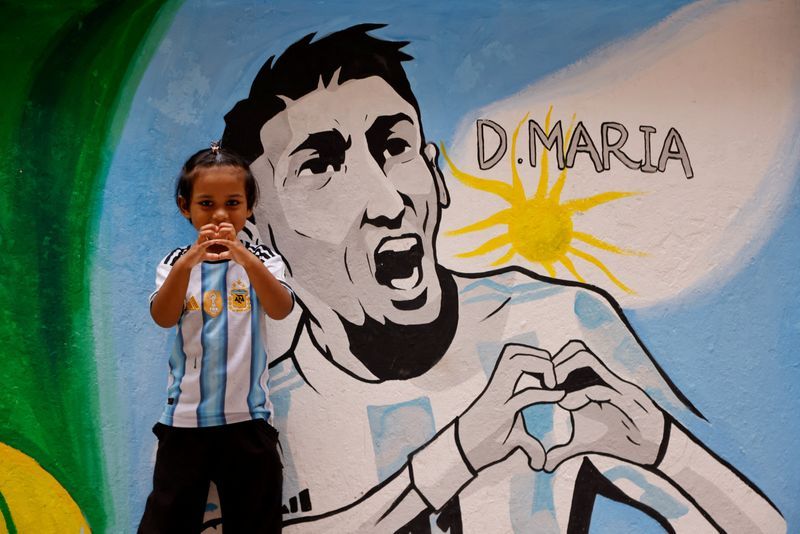
The stage is set for a fascinating World Cup rematch in Kansas City on Saturday, when Argentina and Switzerland clash in the knockout round—a renewal of their 2014 encounter that left indelible marks on both nations' tournament histories. The context surrounding this fixture, however, tells a story of dramatically divergent trajectories over the intervening 12 years. When Angel Di Maria's extra-time goal settled their last meeting in São Paulo, it represented a milestone moment for Argentina's golden generation, pushing them closer to ending their three-decade World Cup drought. For Switzerland, it meant another early exit despite their growing pedigree as regular tournament competitors.
The landscape of international football has shifted considerably since those tense 90 minutes in Brazil. Argentina arrived at Qatar 2022 as serial underachievers at the tournament level, their expectations weighed down by Lionel Messi's unfulfilled ambitions and a nation's hunger for glory. They ultimately claimed the trophy, with Messi finally delivering the prize that had eluded him throughout his club brilliance. That success established them as the tournament favorites heading into this cycle, though defending such status proves notoriously difficult in football's most demanding competition. Switzerland, conversely, has evolved from a reliable but limited participant into a side capable of winning matches through technique and creative play rather than mere defensive solidity.
The personnel overlap between these encounters is minimal, underlining how much the sport has transformed. Only three players have experienced both matches: Messi, now 39 and visibly in the twilight of his career despite his enduring influence; Granit Xhaka, the Swiss captain at 33; and defender Ricardo Rodriguez, also 33. That narrow continuity makes the rivalry feel both connected to history and distinctly contemporary. Xhaka's comments about the "privilege" of competing in an era with Messi, despite Switzerland's 2014 loss, reflect the respect earned by Argentina's talisman across a generation. Rodriguez's assessment that Argentina possess "the best one" alongside other exceptional talent captures the prevailing view that Messi remains the decisive factor, even as his legs age.
Argentina's path to this knockout encounter has been marked by the drama that seems to follow Messi in tournament football. Their round-of-16 victory over Egypt exemplified their character—trailing 2-0 with just 11 minutes remaining, they conjured a 3-2 comeback that showcased both resilience and quality. Messi's observation that "this group never gives up and keeps trying until the end" resonates beyond the immediate context, serving as shorthand for Argentina's tournament philosophy under Lionel Scaloni. The coach has built a squad capable of grinding through difficult matches while retaining the attacking threat that separates champions from also-rans. Yet that narrow escape against Egypt also revealed cracks that opposing scouts will study intently.
Switzerland's achievement in reaching the quarter-finals carries profound historical significance for the nation's football program. Their last quarter-final appearance was in 1954—a gap of 72 years that underscores how elusive sustained World Cup success has been. Manager Murat Yakin guided them past Colombia through a penalty shootout after a goalless draw, demonstrating the mental fortitude and tactical discipline that characterizes Swiss football. This quarter-final appearance represents vindication of their approach and investment in player development. The Swiss federation has methodically built a squad capable of competing with traditional powerhouses, even if they lack the historical pedigree or individual star power of nations like Argentina, France, or Brazil.
Yakin's tactical assessment reveals confidence bordering on optimism. His observation that Argentina's recent matches against Cape Verde and Egypt "have exposed vulnerabilities" suggests Switzerland have identified specific weaknesses to exploit. The coach's framing of the encounter as having "interesting" tactical dimensions goes beyond the typical pre-match platitudes, hinting at concrete strategic plans rather than hope for a favorable result. This mindset differs markedly from how smaller nations often approach fixtures against continental heavyweights, typically adopting defensive postures that merely hope to survive. Switzerland's evolution suggests they believe they can dictate periods of the match.
Midfield creativity may prove decisive. Switzerland's Johan Manzambi, sidelined with a knee injury during the Colombia match, represents the type of dynamic midfielder capable of unlocking Argentina's defense through intelligent movement and passing. His absence against Colombia was felt, contributing to Switzerland's struggles to create clear opportunities. Should he recover in time, his availability could significantly alter the tactical balance. Argentina's midfield, conversely, has shown vulnerability to sustained pressing and creative counter-attacks, suggesting that Switzerland's best chance lies in controlling possession phases and forcing Argentina's defenders into uncomfortable positions.
Argentina coach Scaloni has indicated he will retain most of the team that overcame Egypt, suggesting tactical continuity rather than wholesale changes. His acknowledgment that Switzerland possess "an incredible World Cup tradition" and "outstanding players" respects the opponent's credentials while maintaining the confidence befitting the defending champions. The challenge for Argentina lies in managing Messi's minutes—given his age, he cannot sustain 90 minutes of intense pressing football without risk of injury. Scaloni must balance his captain's influence with the need for fresh legs in later stages, particularly given the tournament's demanding knockout schedule.
The 12-year interval has transformed Messi from a player in his athletic prime into a veteran operating at the twilight of an extraordinary career. Yet the tournament still revolves around him in ways that flatter and constrain Argentina's identity. His presence elevates his teammates, but also creates a dependency that leaves the side vulnerable when opponents specifically target his limitations on the defensive side of the ball. Switzerland can exploit this through intelligent movement off the ball and by forcing Argentina's midfield to cover ground without Messi's full defensive contribution. Such tactics offer Switzerland genuine opportunities, even against a superior overall squad.
The narrative arc from 2014 to the present involves both redemption and persistence. Argentina achieved the redemption that drove them in 2014, claiming the trophy that validated Messi's career. Switzerland, meanwhile, have demonstrated the persistence necessary to transform from a respectable tournament participant into a genuine contender capable of reaching quarter-finals and competing with elite opposition. This Saturday's encounter promises a fascinating matchup between different football philosophies: Argentina's blend of individual brilliance and collective organization against Switzerland's technical proficiency and tactical discipline. The result will significantly influence both nations' remaining tournament trajectories, with the stakes heightened by their shared history.
For Malaysian and Southeast Asian football followers, this fixture offers instructive lessons in how established powerhouses manage transitions and how emerging programs build sustained competitiveness. Argentina's reliance on Messi, even diminished, illustrates the double-edged nature of possessing a transcendent talent. Switzerland's methodical approach to squad development and tactical refinement demonstrates alternative pathways to success that do not depend on individual genius. As regional football continues evolving, these contrasting models merit close observation for any nations seeking to elevate their competitive standing in international competition.

