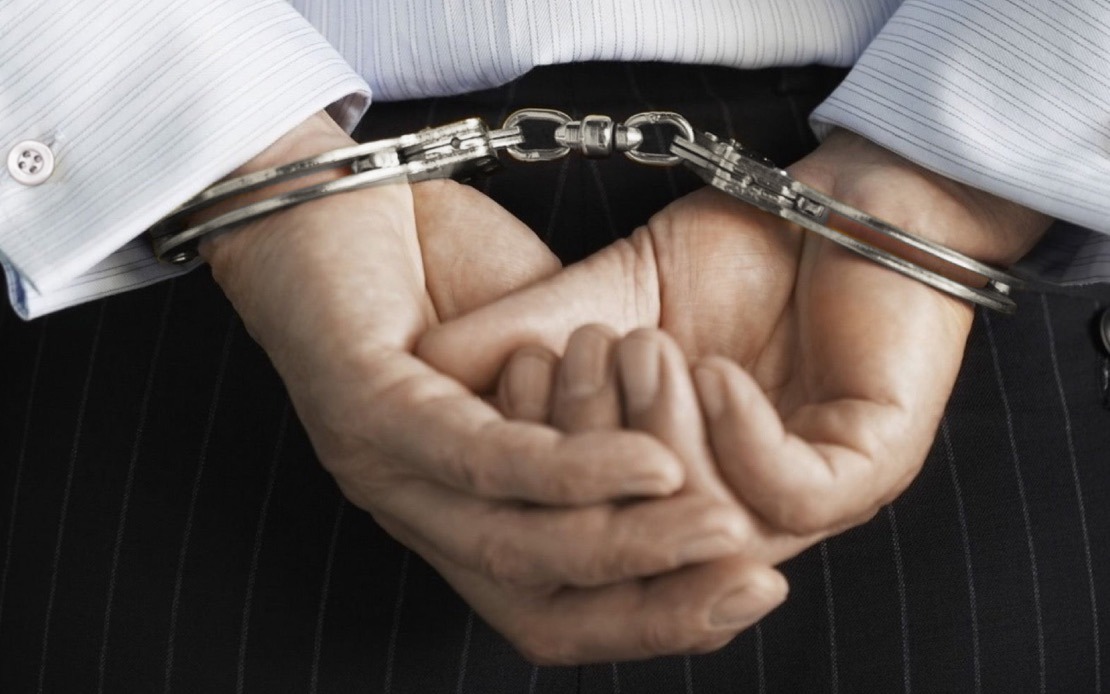
Law enforcement in Los Angeles County arrested an armed individual at Donald Trump's golf course in Rancho Palos Verdes on Sunday, just days ahead of the president's planned attendance at a Republican Party fundraising dinner scheduled for Tuesday evening. Plain-clothes officers had observed the suspicious man on the grounds of Trump National Golf Course engaged in photographing and recording video while appearing to monitor security arrangements, prompting an immediate investigation by the Los Angeles County Sheriff's Department.
The arrest followed a thorough on-site search that recovered ammunition and a 16-round magazine in the man's possession. Officers expanded their investigation to include a comprehensive search of his vehicle, which revealed a loaded pistol alongside an additional loaded magazine. The discovery of weapons at multiple locations triggered a subsequent search warrant for the suspect's residence, where authorities uncovered an arsenal that included additional weapons, ammunition, protective body armour, radio signal transmission devices, and multiple notebooks filled with statements that raised significant security concerns among investigators.
The incident underscores the persistent security challenges surrounding the former and current presidential candidate, whose movements have repeatedly drawn unwanted attention from individuals with violent intentions. The past eighteen months have witnessed a troubling escalation in security incidents involving Trump across multiple venues and states, reflecting what security experts describe as an elevated threat environment surrounding the political figure.
In April of this year, gunfire erupted during a press dinner held in Washington, forcing security personnel to evacuate Trump and his wife while officials abandoned the event entirely. This incident was among the most alarming public disturbances at an official function and prompted immediate reviews of security protocols at high-profile gatherings. The Washington incident represented a significant breach of what was supposed to be a controlled and secured environment.
The proliferation of incidents extended to Trump's Mar-a-Lago estate in Florida, where authorities fatally shot an armed individual in February who had breached the compound's perimeter. That shooting marked a dramatic escalation in security responses, demonstrating the lengths to which protective services would go to neutralise perceived threats before they could materialize into attacks. The willingness of security forces to deploy lethal means indicated the seriousness with which potential threats were being assessed.
During his 2024 campaign to return to the presidency, Trump himself became a victim of an assassination attempt when shots were fired at a campaign rally in Pennsylvania. The gunfire grazed his ear and prompted an immediate protective response from Secret Service personnel, with the incident drawing worldwide attention to the vulnerability of public political events. The Pennsylvania shooting sparked widespread debate about security measures at campaign venues and the difficulty of protecting candidates in open outdoor settings.
Later in 2024, Secret Service agents again confronted an armed individual near Trump's golf course in West Palm Beach, Florida. The suspect had concealed himself in the surrounding bushes and was believed to be positioning himself to launch an attack. The preventive shooting demonstrated the proactive security stance adopted by protective services, who chose to neutralise the threat rather than risk an actual attack unfolding.
For Malaysian and Southeast Asian observers, the recurring security breaches surrounding a prominent American political figure raise broader questions about the adequacy of protective measures for high-profile targets in democratic societies. The incidents also illustrate the challenges democracies face in balancing public access and transparency with the need for robust security. In Southeast Asia, where political assassinations and violence have historical precedent, the American situation offers cautionary examples of how security can be penetrated despite extensive resources and preparation.
The pattern of incidents also reflects the polarized American political environment in which Trump operates, with extremist rhetoric and anti-establishment sentiment creating what security analysts describe as a heightened risk profile. The notebooks recovered from the arrested suspect may provide insights into the ideological motivations behind such incidents and the specific grievances that drive individuals toward violent action. Understanding these motivations has become central to threat assessment in the United States.
The timing of Sunday's arrest, occurring mere days before Trump's scheduled Tuesday evening appearance at the fundraising dinner, suggests that law enforcement succeeded in identifying and neutralising a potential threat in its early stages. Had the individual not been observed and apprehended, the consequences could have been significantly more severe. The incident highlights the critical importance of plainclothes surveillance and community awareness in detecting suspicious behaviour before it escalates.
The accumulation of these security incidents has forced a reassessment of standard protective protocols for presidential candidates and former presidents. Security officials now employ increasingly sophisticated surveillance technologies, expanded perimeter controls, and more aggressive threat-assessment criteria. The cost of this heightened security posture, both financial and in terms of restricting public access to democratic events, represents a significant but necessary investment in protecting high-profile political figures.
For regional observers, these American security challenges demonstrate that even wealthy, technologically advanced democracies struggle with insider threats and determined individuals willing to commit violence for ideological reasons. The incidents also underscore why intelligence sharing and advanced threat detection systems remain critical components of any protective apparatus. As political polarization continues globally, the lessons from these American incidents become increasingly relevant to security planning across the Asia-Pacific region.

