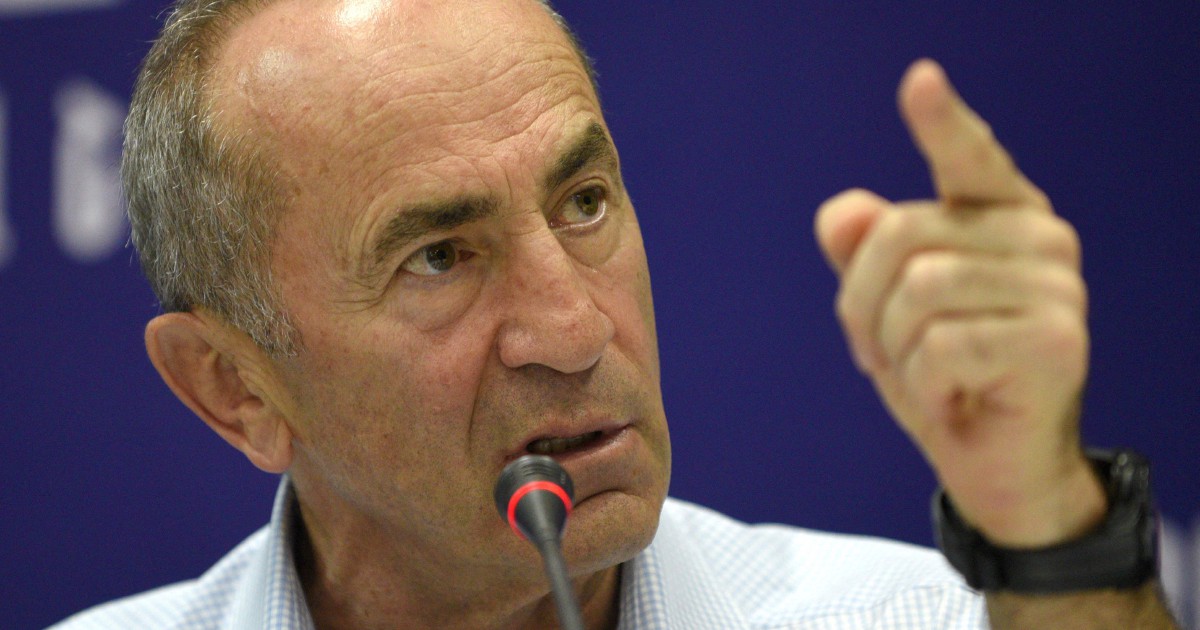
Armenia's judicial authorities have moved swiftly to apprehend Robert Kocharyan, the nation's former president and a prominent opposition voice, placing him under arrest on multiple corruption-related charges accumulated during his years leading the country. The detention, executed by state prosecutors operating through Yerevan's legal system, marks an escalation in governmental accountability efforts targeting former high-ranking officials.
Kocharyan's arrest arrives amid intensifying scrutiny of governance during his presidential administration, a period that shaped much of modern Armenia's political and economic landscape. The formal charges encompass a range of corruption offences, though specific details remain under review within the Armenian judicial framework. His detention represents one of the nation's most significant moves against a former chief executive in recent memory, underscoring shifting political dynamics within the country.
As a prominent figure within Armenia's opposition establishment, Kocharyan's legal troubles carry substantial implications for the nation's political discourse. His removal from circulation during ongoing investigations reflects broader governmental priorities regarding institutional transparency and the prosecution of historical malfeasance within state structures. The timing of his detention coincides with broader conversations about accountability within post-Soviet governance systems across the South Caucasus region.
For readers across Southeast Asia and Malaysia, Armenia's approach to holding former leaders accountable offers comparative insight into judicial independence in transitional democracies. Like several nations in the region navigating post-authoritarian political frameworks, Armenia faces fundamental questions about whether prosecution mechanisms serve genuine accountability or function as instruments of political dominance. The distinction between legitimate anti-corruption efforts and selective political targeting remains contested within international circles monitoring the country's progress.
Kocharyan's presidency, which concluded over a decade ago, left complex legacies spanning economic policy, regional relations, and state capacity. Investigations targeting his administration signal that Armenian authorities are determined to examine administrative conduct regardless of officials' subsequent prominence or political affiliations. The comprehensive nature of allegations suggests prosecutors have assembled substantial documentation regarding claimed irregularities during his tenure.
The opposition political landscape in Armenia faces realignment with Kocharyan's incarceration. His continued detention will likely reshape coalition dynamics and strategic calculations among parties challenging current governmental authority. Political observers note that prosecuting former leaders can significantly alter opposition strength and cohesion, particularly when such figures command substantial supporter networks and institutional credibility.
Armenian institutional frameworks governing prosecutorial independence and judicial conduct have undergone considerable development since the nation's transition period. Contemporary proceedings against prominent former officials operate within these reformed structures, theoretically insulating proceedings from arbitrary manipulation. However, assessments from international governance monitors emphasize ongoing challenges regarding perceived neutrality and procedural fairness throughout Armenia's justice system.
The regional dimension merits attention, as Armenia continues navigating complex relationships with neighbouring powers while managing internal political transformation. High-profile prosecutions can affect international perceptions of governmental legitimacy and institutional stability, factors that influence diplomatic relationships and economic partnerships. Neighbouring Azerbaijan and Georgia, alongside regional powerhouses Russia and Turkey, monitor Armenian governance developments closely given their strategic importance.
For Southeast Asian observers, Armenia's prosecutorial approach illustrates fundamental tensions within societies transitioning from concentrated authority structures. Questions about distinguishing legitimate accountability mechanisms from mechanisms employed for political advantage persist across numerous post-authoritarian contexts, including several within the region. Kocharyan's case will likely generate substantial discussion regarding optimal frameworks for addressing historical institutional misconduct while maintaining procedural fairness and democratic principles.
The investigation's scope and duration remain uncertain as formal proceedings advance through Armenian courts. Extended prosecutorial timelines could intensify political polarization while delayed resolutions might frustrate citizens demanding transparency regarding alleged abuses. International observers, including regional governance organizations and human rights bodies, will undoubtedly scrutinize the proceedings for adherence to procedural standards and evidentiary protocols.
Kocharyan's detention underscores broader patterns across post-Soviet territories where confronting historical institutional failures intersects with contemporary political competition. How Armenia's judicial system navigates these proceedings will substantially influence perceptions of institutional impartiality and governmental legitimacy. The case illuminates enduring challenges facing societies attempting simultaneous democratic consolidation and historical accountability, particularly when former leaders maintain substantial political constituencies.

