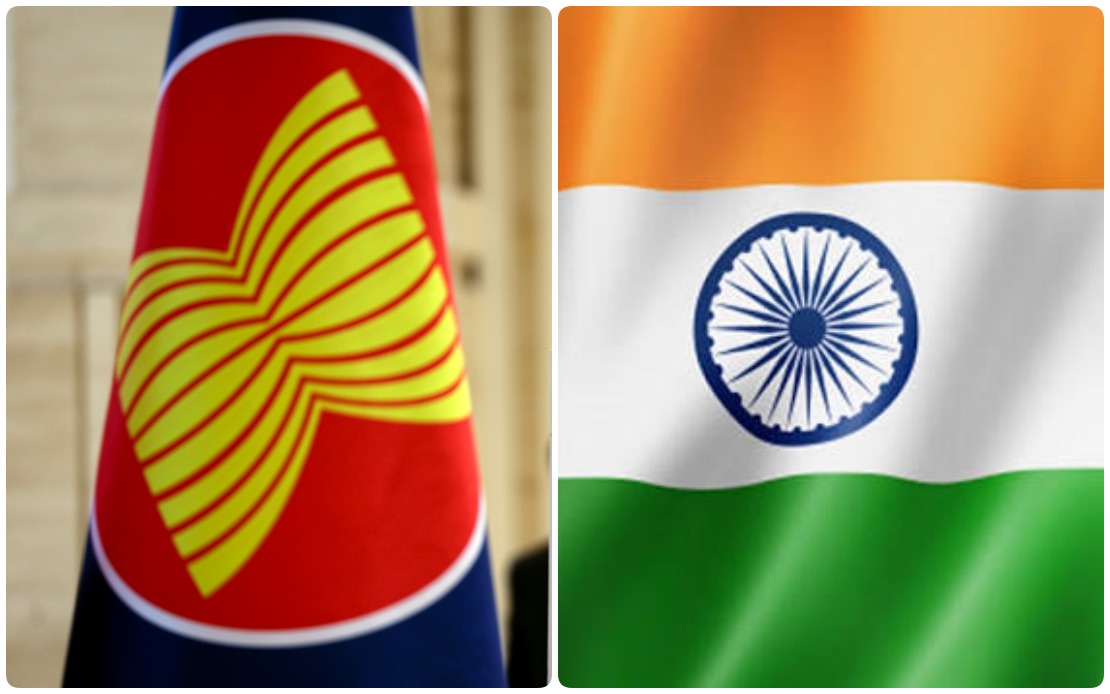
The Association of Southeast Asian Nations and India have renewed their pledge to fortify their strategic partnership, underscoring the relevance of their alliance in an increasingly turbulent international environment. During the Post-Ministerial Conference of the 59th ASEAN Foreign Ministers' Meeting held in Manila, both sides outlined an ambitious agenda encompassing trade facilitation, regional connectivity, maritime security, and cultural exchanges that will shape their engagement over the coming years.
Philippine Foreign Affairs Secretary Theresa P. Lazaro emphasized the maturity and significance of the ASEAN-India relationship, which traces its roots back three and a half decades. The partnership has evolved substantially since its inception, establishing itself as a cornerstone of ASEAN's broader engagement with major Asian powers. The 2022 elevation to comprehensive strategic partnership status marked a critical juncture, formally acknowledging the depth of shared interests and mutual dependencies between the two sides.
Lazaro pointed to the strategic complementarities that bind the two regions together, noting that both ASEAN and India occupy similar positions within the Global South and face comparable development challenges. This alignment has become increasingly relevant as both regions navigate economic pressures and seek to diversify their international partnerships beyond traditional great power alignments. The recognition of shared challenges provides a foundation for practical cooperation that transcends rhetorical commitments.
Tourism cooperation represents one of the more tangible dimensions of the renewed partnership. By leveraging ASEAN's Tourism Year initiatives, both sides aim to boost visitor flows and cultural understanding among their populations. For Malaysia and other Southeast Asian nations dependent on tourism revenues, enhanced Indian tourist arrivals could provide meaningful economic benefits, particularly as the region seeks to diversify away from dependence on Chinese and Western markets.
Maritime cooperation will constitute the centerpiece of the partnership going forward, with 2026 designated as the ASEAN-India Year of Maritime Cooperation. This focus reflects the shared vulnerability of both regions to maritime disruptions and the critical importance of sea lanes to their economic survival. The proposed initiatives, including workshops on marine bioprospecting, ocean engineering, marine energy development, and maritime law enforcement capacity-building, address practical domains where knowledge transfer and joint capability development can yield concrete returns.
India's External Affairs Minister Subrahmanyam Jaishankar articulated a sobering assessment of the global landscape, emphasizing that no nation or regional bloc can manage contemporary challenges in isolation. His remarks acknowledged the unprecedented pressures confronting international trade systems, energy markets, food production networks, and health security frameworks. For Malaysia and the broader ASEAN region, this perspective carries particular weight given the area's reliance on global supply chains and maritime commerce.
The maritime security dimension carries heightened significance for Southeast Asia, where multiple territorial disputes and the concentration of critical shipping routes create inherent vulnerabilities. The Strait of Malacca, through which a substantial portion of global maritime trade passes, has become a focal point for regional security concerns. By partnering with India—a major naval power with significant interests in Indian Ocean security—ASEAN nations can bolster their collective capacity to monitor and protect vital sea routes from emerging threats ranging from piracy to great power competition.
Jaishankar's emphasis on adherence to international law in maritime affairs represents an implicit endorsement of the United Nations Convention on the Law of the Sea framework. This position aligns broadly with ASEAN's preference for rules-based approaches to resolving maritime disputes, though the minister's comments also reflect India's own strategic calculations regarding regional stability and its role as a counterbalance to Chinese influence in regional waters.
The partnership's people-to-people dimension addresses the softer aspects of bilateral relations that often determine the sustainability of strategic agreements. Educational exchanges, cultural programmes, and business networking initiatives help create constituencies within both regions invested in maintaining positive ties. For Malaysian professionals, students, and businesses, expanded people-to-people connections with India present opportunities for skills development, market access, and collaborative ventures.
The comprehensive nature of the ASEAN-India partnership reflects a deliberate strategy to deepen engagement across multiple domains rather than concentrating solely on security or trade. This approach reduces the risk of partnership collapse in any single sector while building redundancy and resilience into the relationship. By interweaving economic, cultural, and strategic cooperation, ASEAN and India are constructing a partnership that can withstand fluctuations in any individual area.
For Malaysia specifically, the strengthened ASEAN-India partnership creates opportunities to leverage India's capabilities in areas where the country possesses comparative advantages. India's expertise in information technology, pharmaceuticals, and renewable energy can complement Malaysian strengths in electronics manufacturing, petrochemicals, and financial services. The designated year of maritime cooperation will also provide platforms for Malaysian port authorities and shipping companies to engage with Indian counterparts.
The timing of this reaffirmation comes as great power competition intensifies across Asia, with both China and the United States seeking to deepen their influence within the region. ASEAN's partnership with India represents a conscious effort to maintain strategic autonomy by cultivating alternative partnerships and avoiding excessive dependence on any single external power. India's democratic governance and shared commitment to a rules-based international order make it an attractive partner for ASEAN nations concerned about preserving their strategic space.
Looking ahead, the success of ASEAN-India cooperation will depend on translating these diplomatic commitments into substantive projects that generate tangible benefits for both regions. The designated maritime cooperation year provides an opportune moment for launching initiatives that address genuine security concerns while building institutional frameworks for sustained engagement. Malaysian policymakers should view this partnership not merely as a geopolitical necessity but as a vehicle for advancing national development objectives through regional cooperation mechanisms.

