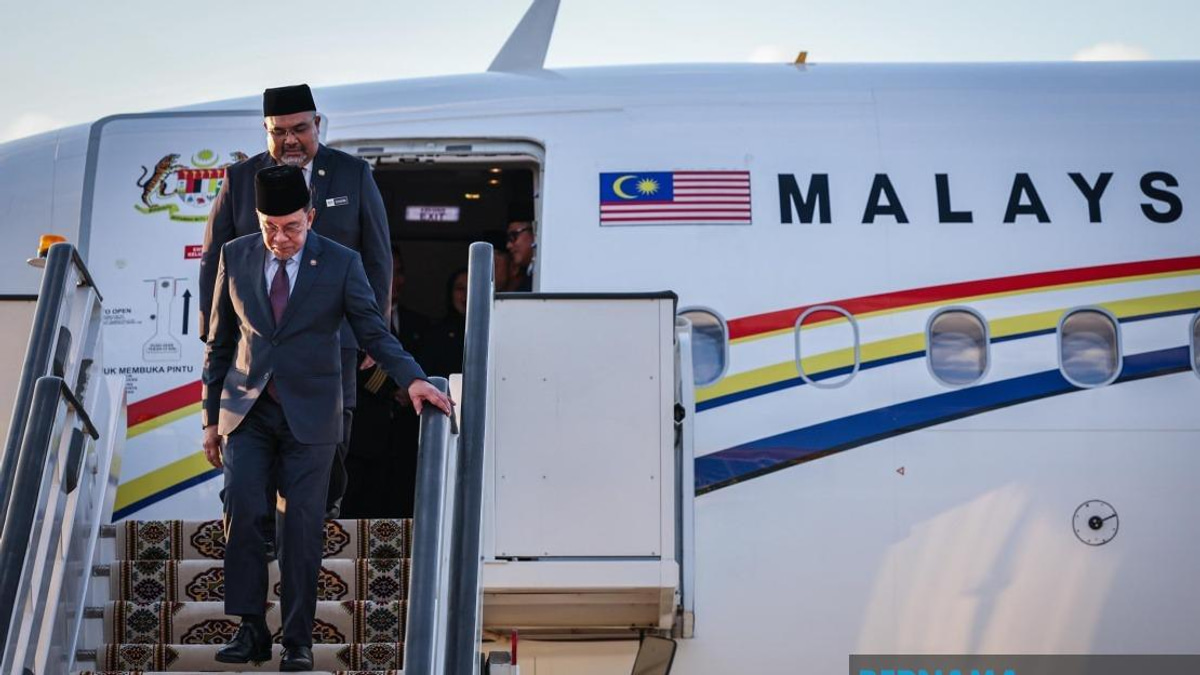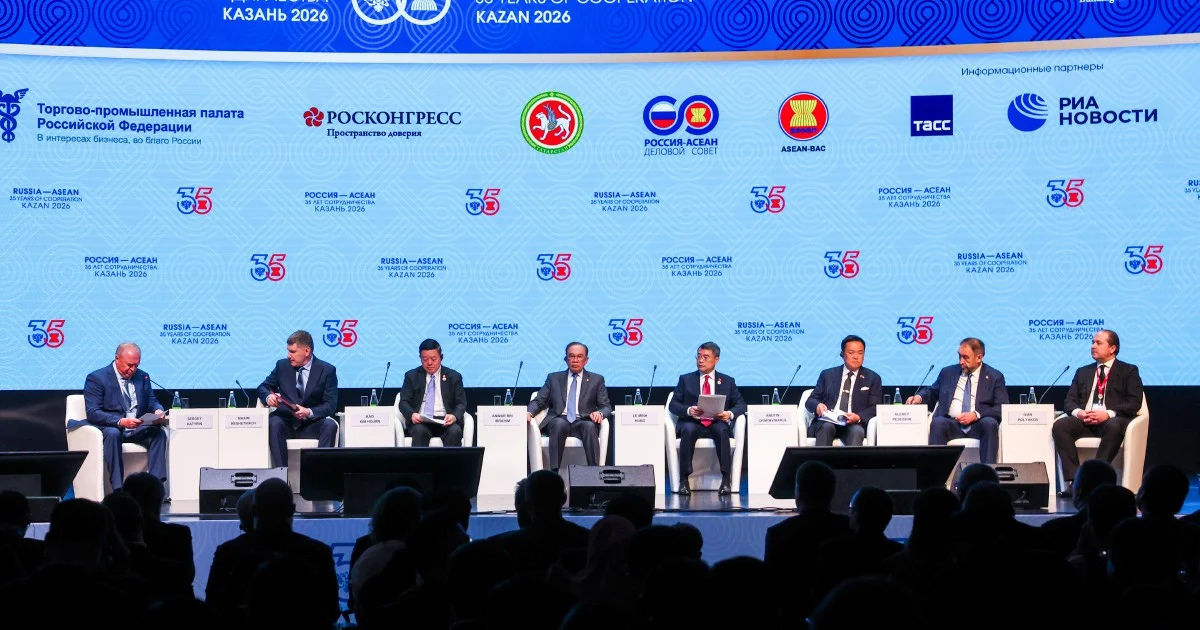
Prime Minister Datuk Seri Anwar Ibrahim has called for a significant expansion of collaborative efforts between Asean and Russia, emphasising the strategic importance of deepening ties across multiple economic and social sectors during remarks in Kazan. The Malaysian leader's push for enhanced cooperation reflects growing recognition within Southeast Asian capitals that broader engagement with major powers can serve regional interests, particularly as global trade patterns continue to shift and new geopolitical alignments emerge.
Food security emerged as a priority area in Anwar's vision for strengthened Asean-Russia relations. The issue carries particular weight for Southeast Asia, a region of over 650 million people where rising populations and climate pressures create mounting challenges in maintaining stable agricultural outputs and supply chains. Russia, as a major global grain and fertiliser producer, possesses resources and expertise that could complement Southeast Asian agricultural needs, while Asean's diverse agro-industries and emerging biotechnology sectors could contribute to broader Eurasian food systems. Developing frameworks for food trade, agricultural research collaboration, and supply chain resilience would address vulnerabilities exposed during recent global disruptions.
Energy cooperation represents another critical dimension of the proposed partnership. Southeast Asia faces intensifying pressure to balance energy demands with climate commitments, creating opportunities for diversified partnerships. Russia's hydrocarbon reserves and nuclear technology capabilities could provide alternative sources as the region transitions its energy mix, while Asean nations increasingly seek to avoid over-reliance on traditional suppliers. Joint ventures in oil and gas exploration, liquefied natural gas projects, and potential cooperation in nuclear power development could offer mutual benefits, provided such initiatives align with international standards and environmental safeguards that Southeast Asian governments are adopting.
Anwar's mention of advanced manufacturing signals awareness that Asean must strengthen its position in global production networks beyond simple assembly. Russia possesses specialised manufacturing expertise and industrial technologies, particularly in sectors such as aerospace, automotive components, and industrial machinery, that could enhance Asean's capabilities. Collaborative manufacturing initiatives could help Southeast Asian nations move up the value chain, reducing dependency on traditional Western suppliers while creating employment opportunities and technology transfer that benefit local industries and workforces across the region.
Digital technologies constitute an increasingly vital arena for Asean-Russia cooperation. The region is experiencing explosive growth in digitalisation, e-commerce, and digital infrastructure development, yet faces significant gaps in technological capability and cybersecurity expertise. Russia's advanced capabilities in information technology, software development, and cybersecurity could support Asean nations in building more resilient digital ecosystems. Simultaneously, Asean's young, tech-savvy population and emerging fintech ecosystem represent valuable opportunities for Russian technology companies seeking to expand their regional footprint, creating potential for mutual growth in this transformative sector.
Educational exchange forms a foundational element of sustainable bilateral relations. Expanding scholarship programmes, academic partnerships, and professional training initiatives between Asean nations and Russian institutions would build lasting people-to-people connections and develop human capital critical for long-term regional development. Such programmes would also foster mutual understanding across cultures and political systems, contributing to stability and predictability in the relationship. Universities in both regions could collaborate on research projects addressing shared challenges in agriculture, environmental management, and engineering disciplines.
Anwar's advocacy for expanded cooperation must be understood within the context of Malaysia and broader Asean positioning in an increasingly multipolar world. Rather than viewing engagement with Russia as an alternative to Western partnerships, Southeast Asian nations are pursuing a strategy of constructive ambiguity, maintaining relationships with multiple major powers while retaining strategic flexibility. This approach allows Asean to maximise leverage in negotiations and avoid the kind of bloc-based dynamics that characterised the Cold War, an experience that left lasting scars on regional politics and prosperity.
The timing of these comments in Kazan underscores Malaysia's role as a bridge-builder within Asean. As the region's second-largest economy and a influential voice on regional affairs, Malaysia's willingness to engage Russia openly sends signals to other Asean members that broader partnerships remain possible despite international pressures and sanctions. This positioning reflects Anwar's broader foreign policy philosophy, which emphasises pragmatism and the pursuit of national interests through diversified diplomatic channels rather than ideological alignment.
Implementing the cooperation framework Anwar outlined would require concrete institutional mechanisms, including regular bilateral and multilateral dialogues, joint working groups on specific sectors, and trade facilitation measures. Asean's existing engagement platforms, including the Asean Regional Forum and East Asia Summit, could serve as venues for formalising such cooperation while maintaining multilateral character. Clear commitments on trade rules, investment protection, and technology transfer standards would be necessary to move from rhetorical support to substantive partnership.
For Malaysian readers and observers across Southeast Asia, the significance lies in recognising that regional nations are actively shaping their own strategic futures rather than passively accepting predetermined international hierarchies. Anwar's call for expanded Asean-Russia cooperation illustrates how Southeast Asian governments are leveraging their geographic position, demographic advantages, and economic potential to extract maximum benefit from great power competition. This approach, if executed successfully, could enhance regional prosperity and stability while preserving Asean's cherished principle of non-alignment and strategic autonomy in an increasingly complex global environment.